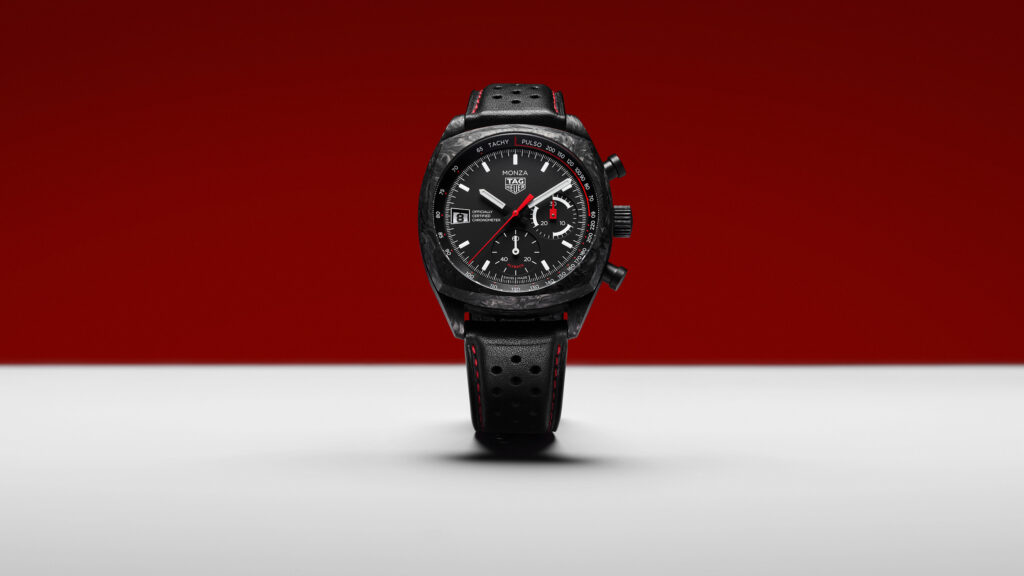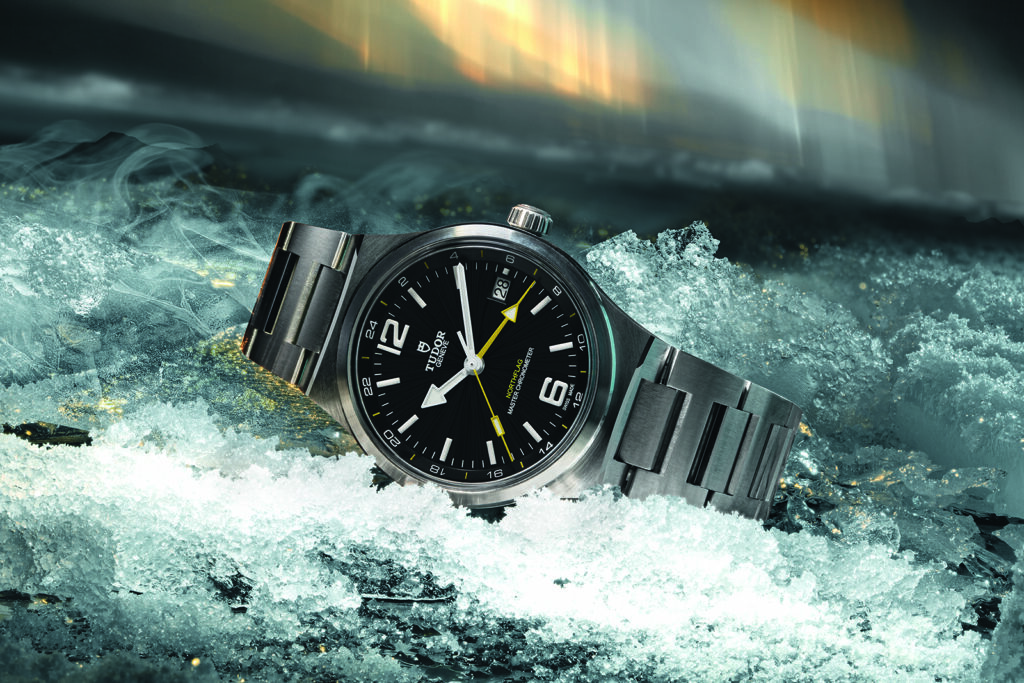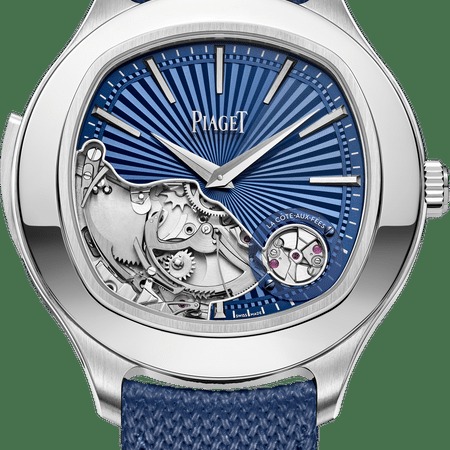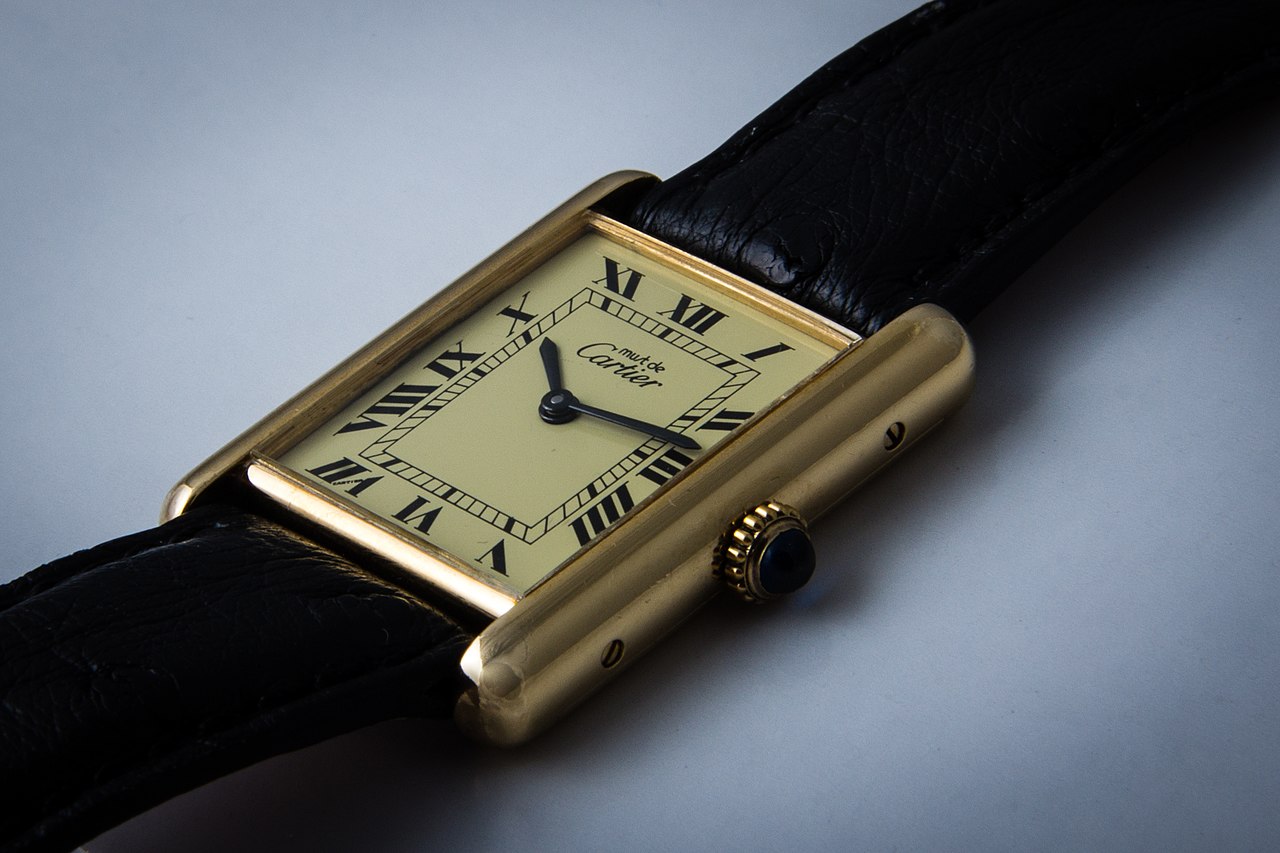

A 47mm dive watch on a 6-inch wrist looks like a wall clock; a 34mm dress watch on an 8-inch wrist disappears under a shirt cuff. Between those extremes lies the sizing sweet spot most buyers never stop to measure. Fit is the first thing a watch dealer notices and the last thing an online spec sheet tells you.
The key to avoiding this lies in selecting the right watch size that harmonizes with your wrist proportions. This guide dives deep into the nuances of watch sizing, offering practical advice to help you make a confident choice. Whether you are a first-time buyer or refining your collection, understanding how to match a watch to your wrist can elevate your entire look.
In the world of horology, size is not just about numbers on a spec sheet. It is about balance, comfort, and visual appeal. A well-fitted watch should feel like it was made for you, sitting comfortably without sliding or pinching. We will explore everything from precise measurements to stylistic considerations, ensuring you walk away equipped to find that perfect fit.
Why Watch Size Matters More Than You Think
Imagine slipping on a pair of shoes that are half a size too big or too small. Over time, discomfort sets in, and the item loses its charm. The same principle applies to watches. An ill-sized watch can disrupt the flow of your outfit, drawing unwanted attention to your wrist rather than complementing it.
The right size enhances proportionality. For slimmer wrists, a compact case prevents the watch from overwhelming delicate features. On broader wrists, a larger dial provides the presence needed to stand out without excess. Beyond aesthetics, fit influences wearability. A watch that hugs your wrist properly stays in place during daily activities, from typing at a desk to swinging a golf club.
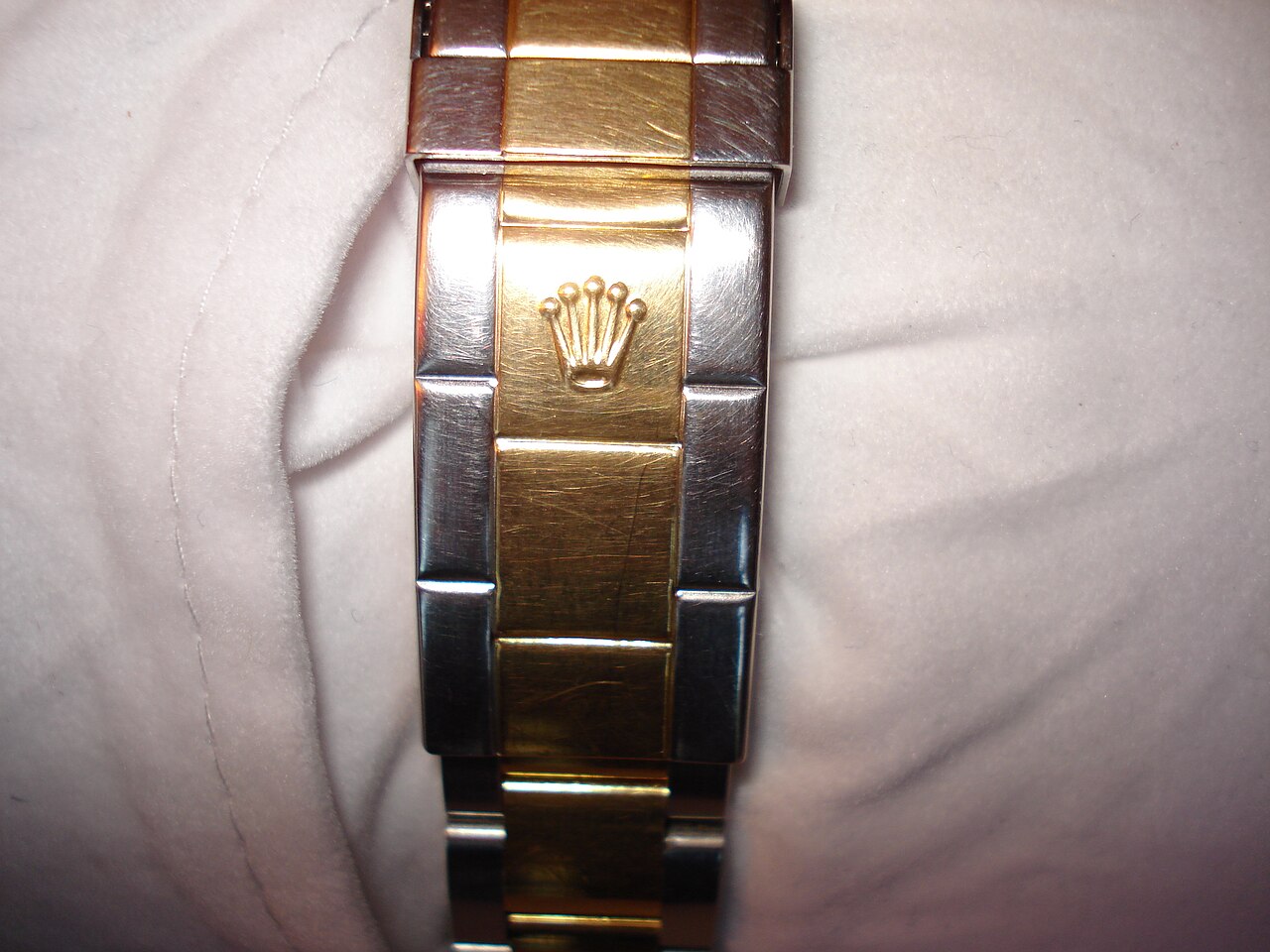
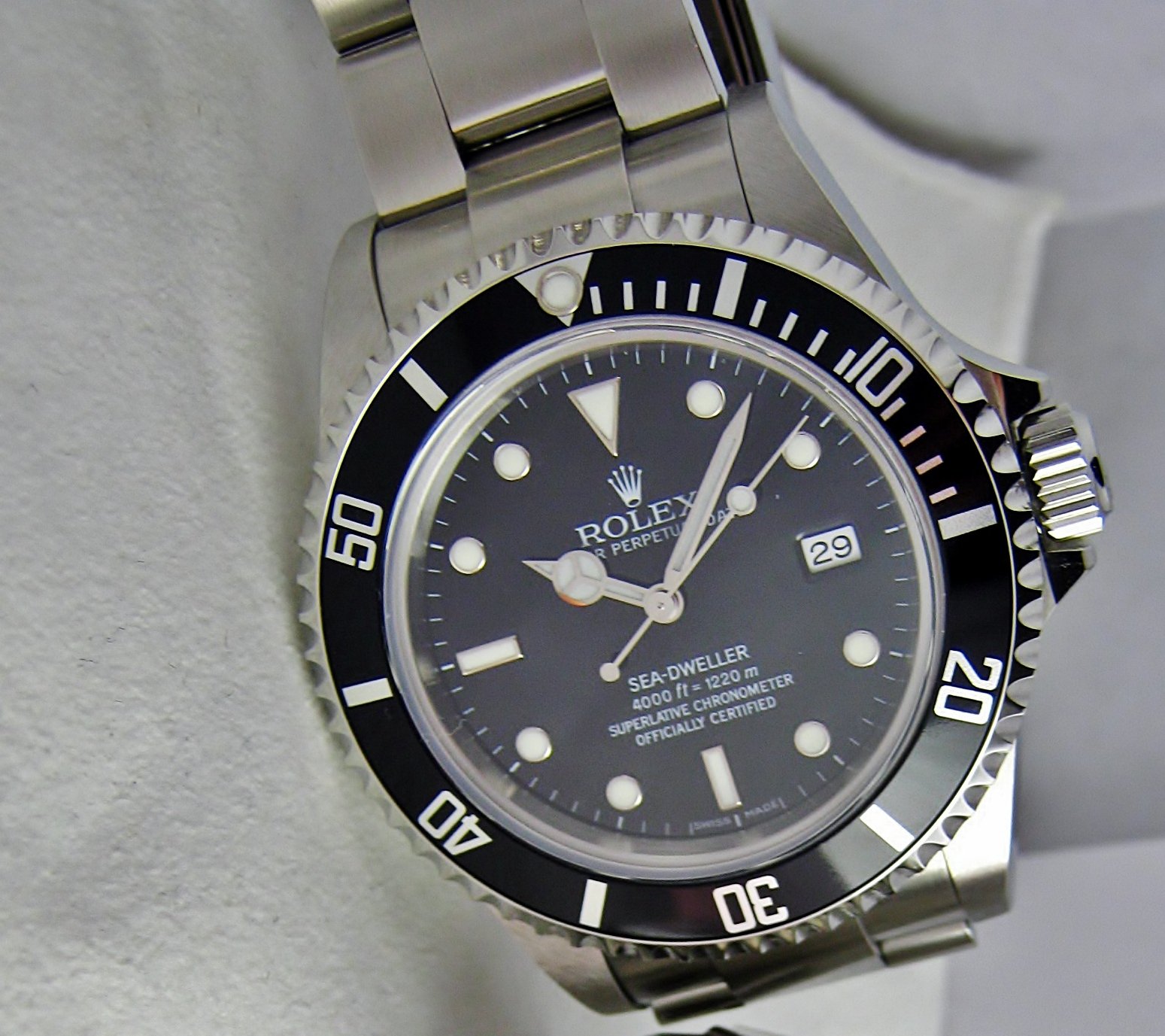
Industry experts often emphasize that watch sizing has evolved with fashion trends. In the 1950s, oversized divers like the Rolex Submariner ruled the seas with 40-millimeter cases. Today, versatility reigns, with sizes ranging from 34 millimeters for vintage-inspired pieces to 44 millimeters for bold sports models. Choosing wisely means considering not only current styles but also timeless principles of proportion.
Comfort plays a pivotal role too. A watch that is too tight restricts blood flow, while one too loose shifts constantly, leading to frustration. Proper sizing ensures it contours to your wrist’s natural curve, making it an effortless accessory. As we delve deeper, you will see how small adjustments in size can yield big improvements in both form and function.
Decoding Watch Dimensions: Case Size, Lug to Lug, and Beyond
To choose the right watch, you must first understand its anatomy. The case size, typically measured in millimeters, refers to the diameter of the main body housing the movement and dial. This is the most quoted figure in marketing materials, but it is just the starting point.
Standard case sizes fall into categories: small (under 36mm), medium (36-42mm), and large (over 42mm). For women or those with narrower wrists, 34-38mm often strikes the ideal balance, offering elegance without bulk. Men might gravitate toward 40-44mm for a commanding yet refined presence. Remember, these are guidelines, not rules. A 42mm case on a 7-inch wrist can look sharp if other elements align.
Lug-to-lug distance is equally crucial, though less discussed. This measures the horizontal span from the top of one lug (the protruding arms holding the strap) to the bottom of the other. It determines how the watch sits on your wrist’s curve. Ideally, the lug-to-lug should not exceed 80-85% of your wrist circumference to avoid overhang. For a 6.5-inch wrist, aim for a lug-to-lug under 52mm.
Thickness, or case height, affects profile. Slim profiles under 10mm suit dress watches, gliding under cuffs effortlessly. Thicker cases, often 12-15mm, suit rugged tool watches but demand a sturdier wrist to carry the weight.
Dial size, the visible face excluding the bezel, influences readability. A dial that fills 90% of the case provides a clean look, while oversized bezels can make the watch feel smaller. Bezel style matters too: rotating bezels on dive watches add utility and visual interest, expanding the effective size without bloating the case.
Strap width ties it all together. It should match the lugs, typically 18-22mm for mid-sized cases. A mismatched strap can throw off proportions, making even a perfectly sized case look off-kilter. When shopping, request these specs from retailers. Many brands like Omega or TAG Heuer provide detailed diagrams, helping you visualize the fit before purchase.
How to Measure Your Wrist Accurately at Home
Precision starts with measurement. Grab a flexible tape measure or a strip of paper and a ruler. Wrap it around the thinnest part of your wrist, just above the wrist bone (ulna). Pull snug but not tight, mimicking how a watch band would sit. Note the circumference in inches or millimeters.
For most adults, wrist sizes range from 5.5 to 8 inches. Women average 5.5-6.5 inches, while men fall between 6.5-7.5 inches. Convert to millimeters by multiplying inches by 25.4 for brand comparisons.
Avoid common pitfalls here. Measure both wrists, as they can differ slightly. Do it at the end of the day when wrists may swell marginally from activity. For accuracy, take three readings and average them. Online tools from sites like WatchBox offer printable guides, but nothing beats a physical measure.
Once measured, categorize your wrist: small (under 6.5 inches), medium (6.5-7.5 inches), or large (over 7.5 inches). This baseline guides your search. A small wrist pairs best with 34-38mm cases, medium with 38-42mm, and large with 42mm plus. Factor in your hand size too; larger hands can handle slightly bigger watches without disproportion.
If you are between sizes, consider versatility. A 40mm watch often works across mediums, offering flexibility for formal or casual wear. Document your measurements in a note app for future reference, especially when browsing online where returns can be a hassle.
Matching Watch Size to Wrist Proportions for Optimal Balance
Balance is the art of watch selection. A general rule: the watch case should cover about 40-50% of your wrist width when viewed from the side. For a 2-inch wide wrist, a 40mm case hits the sweet spot.
Visual harmony extends to the dial. Elements like hour markers and hands should scale appropriately. On smaller wrists, minimalist dials with fewer complications prevent clutter. Larger wrists welcome chronographs or date windows for added depth.
Consider your body frame. If you have a lean build, oversized watches can dominate; opt for subtlety. Athletic builds carry bolder sizes well, enhancing a sporty vibe. Age and gender norms are fading, with unisex designs blurring lines. A 36mm field watch on a man’s 7-inch wrist can exude understated cool, challenging outdated masculinity tropes.
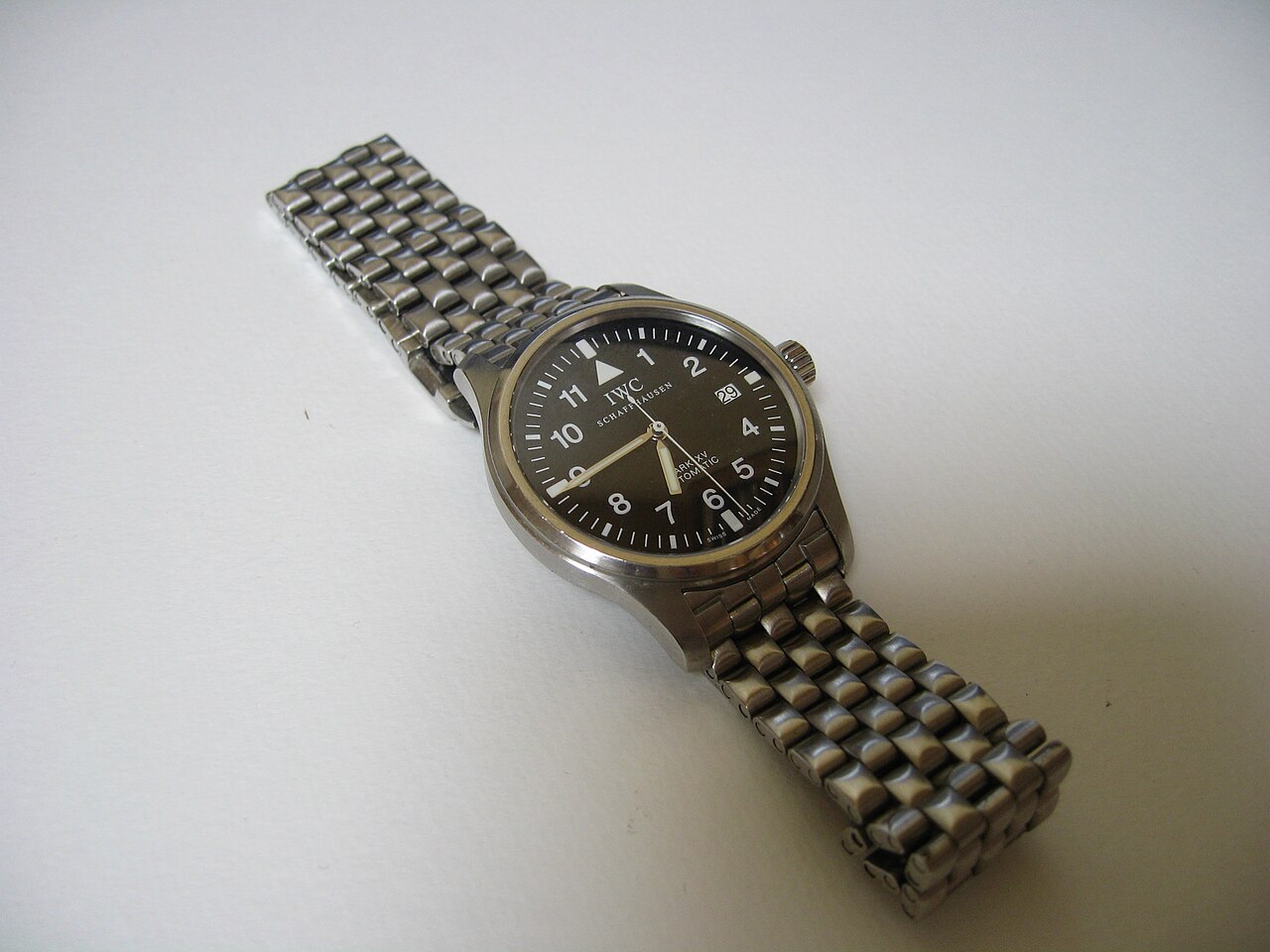
Examples illustrate this best. Take the iconic Cartier Tank: its rectangular 29x34mm case flatters slim wrists, echoing Art Deco elegance. For broader ones, the IWC Pilot’s Watch at 41mm delivers aviation heritage with proportional punch. Test these mentally by sketching your wrist and overlaying size templates, available on enthusiast forums.
Seasonal wear influences choices too. Summer calls for lighter, smaller pieces to avoid sweat buildup under heavy cases. Winter layers pair well with chunkier divers. Ultimately, the match should feel intuitive, like an old friend settling in.
Beyond Size: Straps, Materials, and Lifestyle Factors
Size alone does not seal the deal. Straps transform a watch’s personality. Leather bands slim the profile, ideal for dressier occasions on any wrist. Metal bracelets add heft, suiting larger cases but requiring adjustment links for custom fit. NATO straps offer breathability and quick swaps, perfect for active lifestyles.
Material weight matters. Titanium cases feel lighter than steel, benefiting smaller wrists wary of bulk. Gold or ceramic adds luxury but demands a wrist robust enough to support the shine.
Lifestyle integration is key. Office warriors favor slim profiles under shirt cuffs. Adventurers need water-resistant cases with legible dials, sized for glove compatibility. If you travel frequently, GMT functions in mid-sized cases keep things practical without overwhelming.
Budget plays a role. Entry-level brands like Seiko offer affordable sizing options from 36-44mm. Luxury labels provide bespoke services, like Rolex’s custom engravings, ensuring a tailored feel. Always prioritize quality over trends; a well-sized quartz watch outshines a poorly fitted mechanical one.
Personal style rounds it out. Vintage lovers might downsize for authenticity, while modernists upscale for edge. Experiment with contrasts: a large case on a small wrist for irony, or vice versa for whimsy. The goal is confidence, turning your wrist into a canvas of curated choice.
Common Pitfalls in Watch Sizing and How to Sidestep Them
Even seasoned collectors stumble. One frequent error is chasing trends. The 45mm boom of the early 2010s left many with shelf queens too big for daily wear. Stick to classics unless the oversized look is your signature.
Another trap: ignoring thickness. A 38mm case that is 14mm thick wears like a 42mm behemoth. Always check side profiles in photos.
Online shopping amplifies risks. Flat images distort scale; rely on user reviews with wrist shots. Sizing charts vary by brand, so cross-reference.
Overlooking strap fit is sneaky. A case might measure right, but wide lugs on narrow straps create gaps. Opt for integrated designs where possible.
Finally, do not forget resale value. Proportionate sizes hold appeal longer. A niche 50mm monster might thrill initially but fade in marketability.
By anticipating these, you invest smarter, building a collection that endures.
Practical Tips for Trying On and Buying Watches
In-store trials are gold. Visit jewelers during off-peak hours for unhurried fittings. Stack the watch against your wrist bone; it should rest just above without digging.
Move around: flex your wrist, type on a phone, shake hands. Does it shift or pinch? Ideal if it stays put with minimal adjustment.

For online buys, use virtual try-on tools from brands like Fossil. Measure twice, order with free returns in mind.
Consult communities. Reddit’s r/Watches or Watchuseek forums brim with sizing threads, complete with photo comparisons.
When gifting, err conservative. Include a sizing kit or gift card for exchanges. Personalization, like engraving, adds sentiment without size worries.
Season sales for deals, but verify specs. Certifications like ISO water resistance ensure longevity alongside fit.
Your Sizing Checklist: Confirm These Before You Pay
Before checkout, run through the numbers. Wrist circumference in millimeters, case diameter, lug-to-lug, thickness, and strap width — five figures that decide whether a watch wears well or merely looks good in a render. If a retailer cannot supply lug-to-lug and thickness, treat the listing as incomplete.
Between sizes? The 38-40mm band is the pragmatic middle ground: it handles a shirt cuff, a weekend jacket, and a NATO strap swap without drama. Start there, then let one well-chosen piece teach you what your wrist actually tolerates.
Fit is the quiet half of collecting. A proportioned watch gets worn, and a worn watch earns its place in a rotation. Measure once, buy deliberately, and let the wrist decide.