The numbers stamped on a watch caseback — WR 50m, 100m, 200m — are among the most misunderstood specs in horology. A buyer glances at “200m” and assumes the watch can handle a 200-metre dive. It can’t. Those figures come from a static pressure test in a factory, not from anything resembling a real dive.
After years of covering water-resistance failures — a vintage Seamaster sent back with condensation under the crystal, a fashion diver with a snapped pusher — the gap between what the rating promises and what it delivers becomes clear quickly. This guide breaks down what each WR level actually covers, the science of static versus dynamic pressure, and the maintenance habits that keep seals working.
Static Test vs Dynamic Pressure: Why the Number Misleads
Watch manufacturers test water resistance in a laboratory under static conditions. The watch sits in a sealed chamber; pressure rises until the case holds or fails. No movement, no impact, no turbulent water flow.
- A rating of 50 meters (5 ATM or 5 Bar) means the watch survived being subjected to the pressure equivalent of standing water at a depth of 50 meters during a test.
- When you wear that watch and jump into a pool or ride a wave you introduce dynamic pressure. Simple movements like a swift arm stroke a dive entry or even the forceful spray of a shower can momentarily spike the pressure on the watch well beyond the static rating.
- The actual forces encountered in real-world water activities significantly exceed the conditions of a static pressure test. This is the crucial disconnect that often leads to disappointment and damaged timepieces. The ‘meters’ on your watch are a measure of test pressure not a guaranteed diving depth.
Breaking Down Every WR Rating on Your Dial
Entry-Level: WR 30m and 50m — Splash Duty Only
The lowest resistance ratings are designed for incidental contact with water, not sustained immersion.
WR 30m (3 ATM)
A watch marked 30 meters or 3 ATM (Atmospheres) is typically considered splash resistant.
- Practical Use It can handle accidental exposure to rain or handwashing.
- What to Avoid You should absolutely avoid submerging it swimming showering or any kind of water sports. The pressure from even a cold shower could force water past the seals.
WR 50m (5 ATM)
This is the first rating that suggests a small degree of water play is possible but it remains the most misleading.
- Practical Use It’s safe for handwashing and light exposure to rain. Some manufacturers suggest light swimming but caution is still paramount.
- What to Avoid Do not use it for prolonged swimming high-impact water sports or diving. The dynamic pressure from a vigorous swim stroke can still compromise the seals. Many watch enthusiasts consider 50m a ‘safe for surface splash’ rather than a ‘safe for swimming’ rating.
Sports Standard: WR 100m — Recreational Swimming Territory
Moving up to 100m (10 ATM) is where the watch truly starts to enter the realm of being a reliable companion for general water activities. This rating is often the standard for entry-level sports and everyday watches.
WR 100m (10 ATM)
A 100m rating implies the watch is suitable for recreational activities on the surface.
- Practical Use This watch can typically be worn for swimming snorkeling and light water sports like surfing or sailing. The seals and gaskets are robust enough to handle the recurring dynamic pressures of surface water activity.
- What to Avoid It is still not suitable for true diving or high-impact watersports like jet-skiing where the water pressure at the point of impact can be extreme. It’s also important to ensure the crown is properly screwed down or pushed in before exposure to water.
True Diver Territory: WR 200m and Beyond
For those serious about aquatic activities the 200m rating is the generally accepted starting point for a reliable water-resistant timepiece.
WR 200m (20 ATM)
A watch rated to 200m is built to withstand significant and prolonged water exposure.
- Practical Use This is the minimum standard for a true recreational diver’s watch. It is suitable for all forms of swimming water sports snorkeling and most forms of non-saturation scuba diving. The construction usually includes a robust case screw-down crown and often a screw-down caseback which are critical components for maintaining water resistance at depth.
- What to Avoid Unless explicitly marked with the ISO 6425 dive watch standard it is not intended for professional deep-sea or saturation diving.
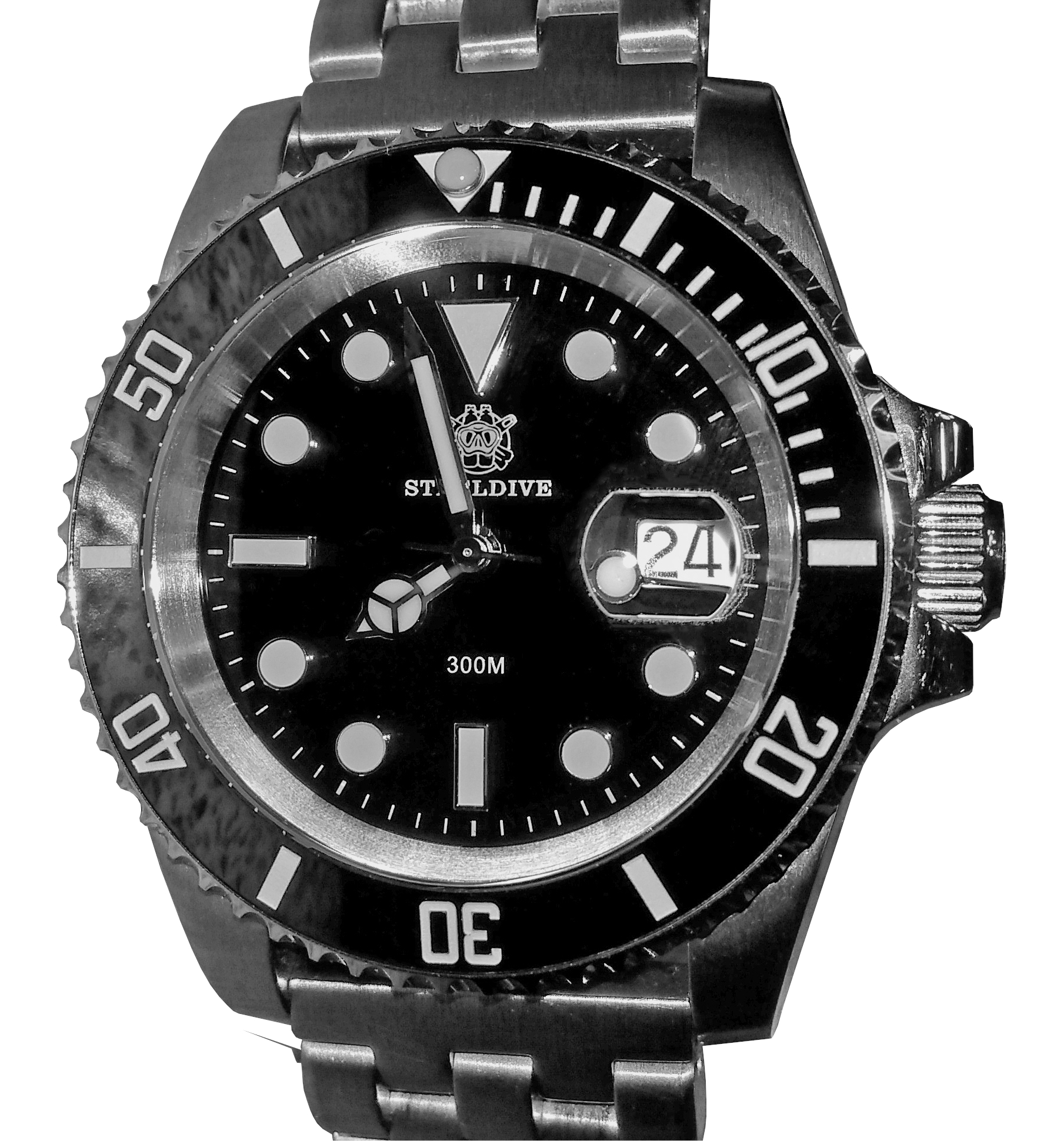
ISO 6425 Certified: The Gold Standard for Dive Watches
A special designation is given to watches that not only meet a certain meter rating but also adhere to the International Organization for Standardization (ISO) 6425 standard. This is the gold standard for dive watches.
- ISO 6425 certified watches are subjected to a rigorous battery of tests that go far beyond the standard static pressure test. They test for condensation resistance shock resistance magnetic resistance strap integrity and most importantly they must be water resistant at 125% of the rated pressure (e.g. a 200m watch is tested to 250m).
- When a watch has a dedicated ‘Diver’s’ mark on the dial such as “Diver’s 200m” you can be assured it meets this professional standard for scuba diving.
Why Seals Fail: Gaskets, Crowns, and Thermal Shock
Understanding the ratings is only half the battle. Several external and internal factors can severely compromise a watch’s water resistance even if it’s rated for 200m.
Gaskets and O-Rings: Small Parts, Big Consequences
Water resistance relies entirely on a series of small rubber or synthetic gaskets and O-rings. These seals are placed at all potential entry points for water: the crown the caseback the crystal and for chronographs the pushers.
- Age and Wear These gaskets naturally degrade and dry out over time. They lose their elasticity and ability to create a perfect seal. This is why a vintage 200m watch that hasn’t been serviced is unlikely to still be water resistant.
- Temperature Changes Extreme temperature fluctuations like going from a hot sauna into a cold pool can cause the metal components to expand and contract at different rates which temporarily disrupts the seal and can cause thermal shock. The gaskets themselves are also vulnerable to heat. Never wear a water-resistant watch in a hot tub or sauna.
- Chemical Exposure Exposure to soaps detergents chlorine in pools or the salt in seawater can accelerate the degradation of the gaskets. It’s always best practice to rinse your watch with fresh water after swimming in a pool or the ocean.
The Crown: Most Common Point of Failure
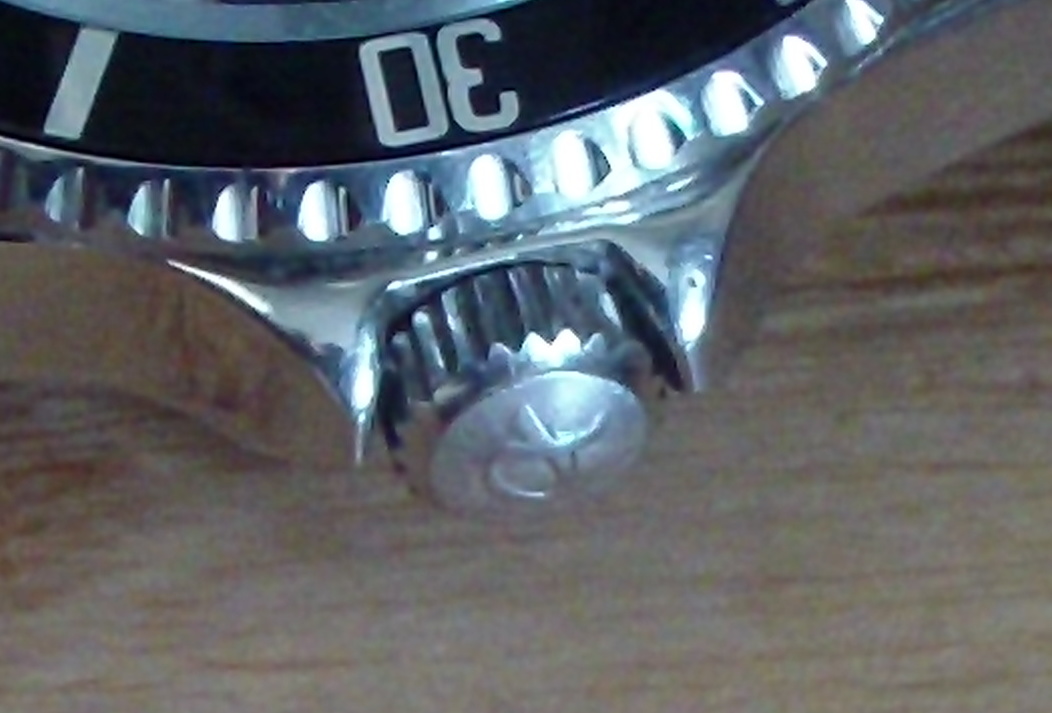
The crown is the most common point of failure for water resistance.
- Screw-Down Crown Watches rated for 100m and especially 200m often feature a screw-down crown. This crown screws into the case tube creating an extra layer of protection and compression on the crown gasket. If the screw-down crown is not fully tightened the water resistance is virtually zero.
- Pusher Misuse On chronographs and watches with pushers (buttons) do not operate the pushers while the watch is wet or submerged. Doing so breaks the seal created by the pusher gasket allowing water to penetrate the case instantly. Some high-end dive chronographs have screw-down pushers to prevent this but they are the exception.
Keeping the Seals Tight: Maintenance That Actually Matters
To ensure your watch lives up to its water resistance rating for years to come follow these maintenance guidelines.
- Regular Servicing Have your watch’s gaskets and seals replaced regularly typically every 2 to 3 years by a certified watchmaker. This is especially crucial if you frequently expose the watch to water.
- Water Resistance Check Always have a water resistance test performed after a battery change or any internal servicing. A professional pressure test is the only way to confirm the integrity of the seals.
- Rinsing Always rinse your watch with clean fresh water after exposure to salt water or chlorine.
- Crown Check Before any water exposure always check that the crown is fully screwed down or pushed in. Make it a habit a quick glance can save your watch.
- Avoid Temperature Extremes Do not wear your watch in hot showers saunas or jacuzzis.
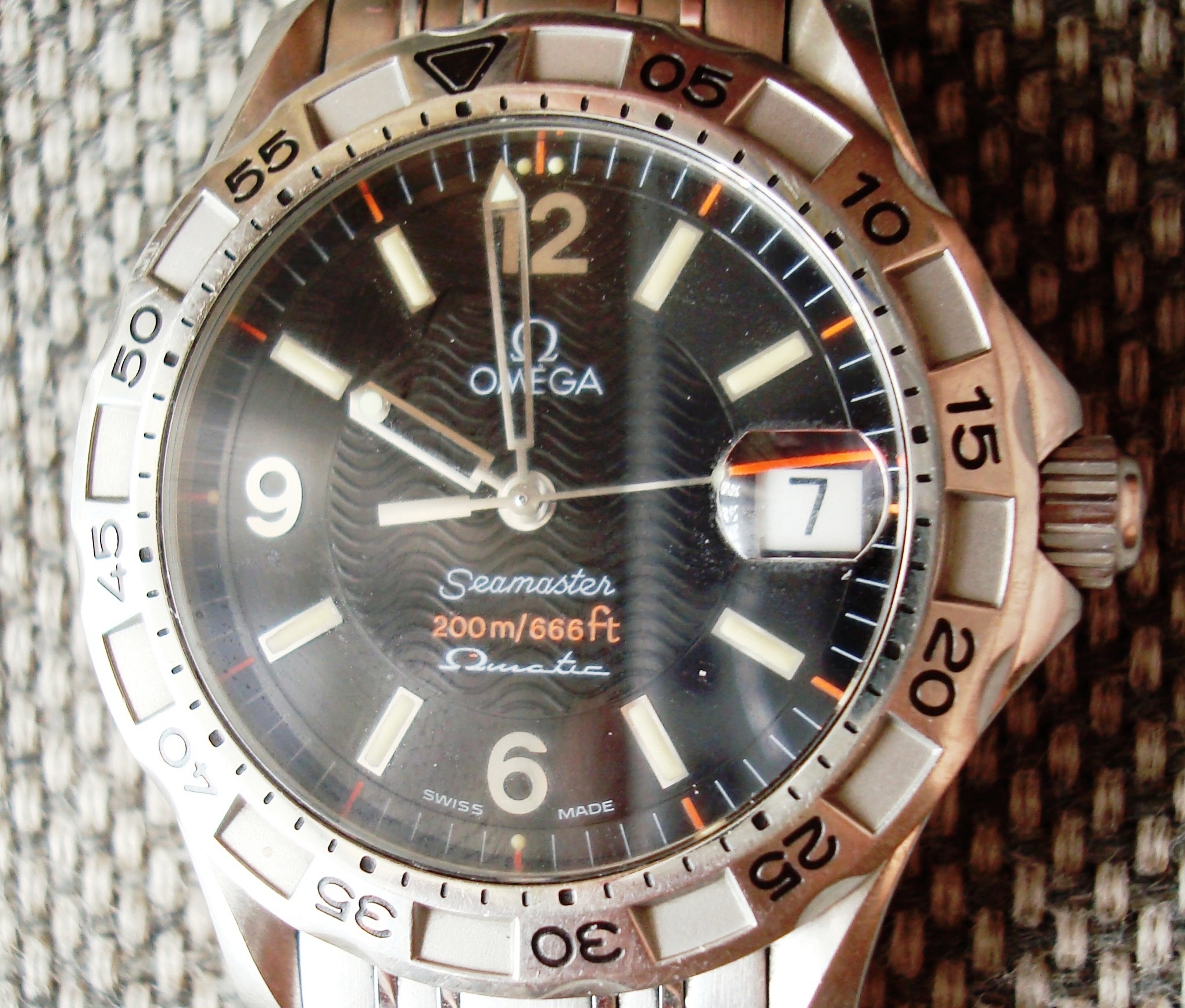
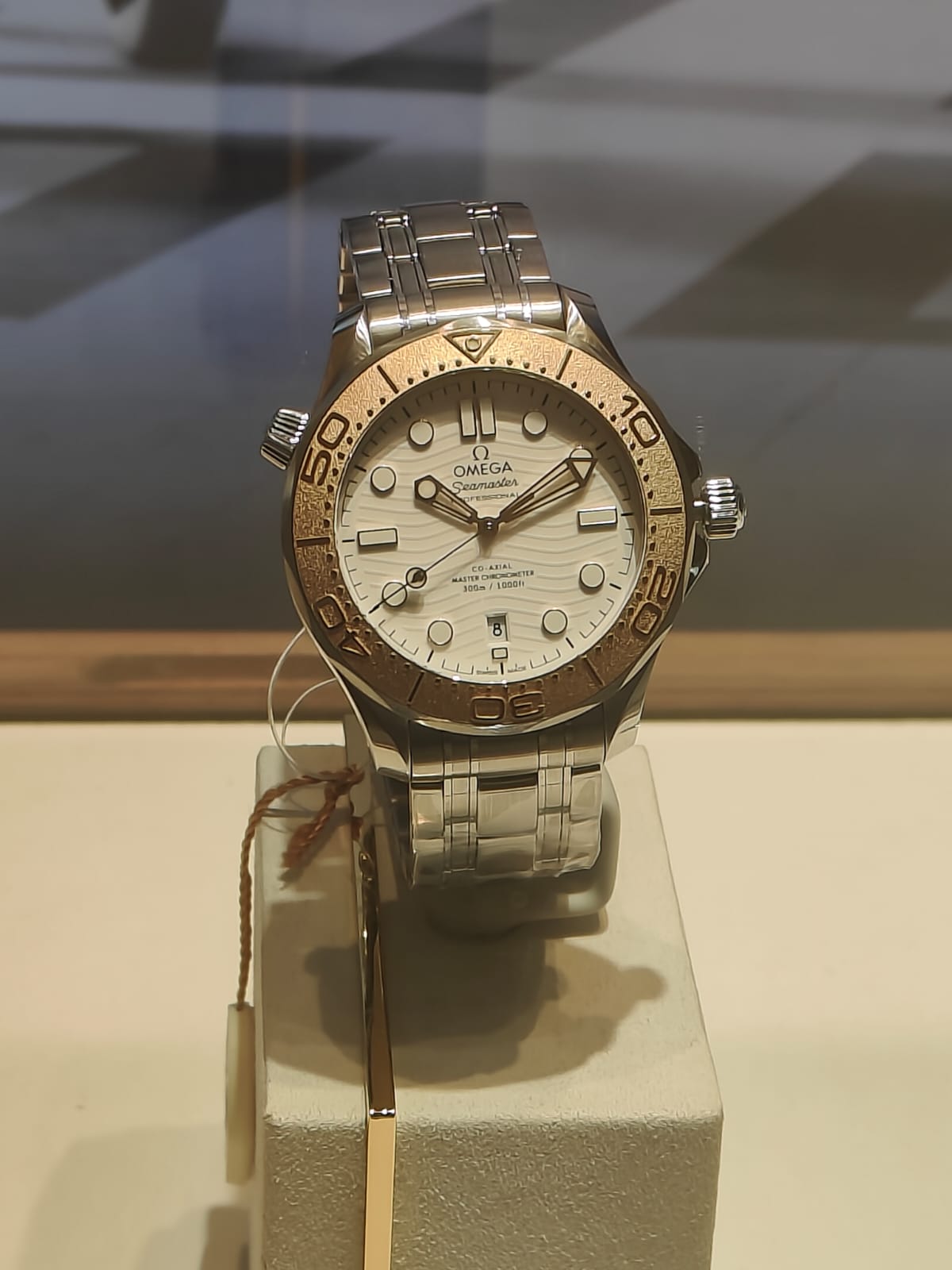
A watch’s water resistance rating is a useful guide, not a promise of diving depth. A 50m rating covers splashes, a 100m rating covers surface swimming and snorkelling, and a 200m rating with ISO 6425 certification covers recreational scuba diving. Respect those boundaries, maintain the gaskets, and the seals will do their job for years.