The first watch I ever called my own was a cheap LCD digital, bought at a department store the summer before high school. It beeped on the hour, backlit its blue digits in the dark, and measured my runs to within a tenth of a second. Fifteen years later I spend my days with a mechanical analog on my wrist, and the only number it can tell me is the time. Neither watch was wrong. The honest difference between analog and digital has never been about precision or price tag. It is about what a person wants the thing on their wrist to do for them and how they want to feel when it does.
Before you sink money into either camp, understand the real trade-offs: how the movement works, what it looks like on a dress shirt versus a trail run, and what it costs to own long-term. That is what this guide covers, in plain terms drawn from years of handling both kinds.
Let’s start with why analog still matters in a world built around digits.
Why the mechanical analog watch still outsells every smartwatch in the luxury bracket
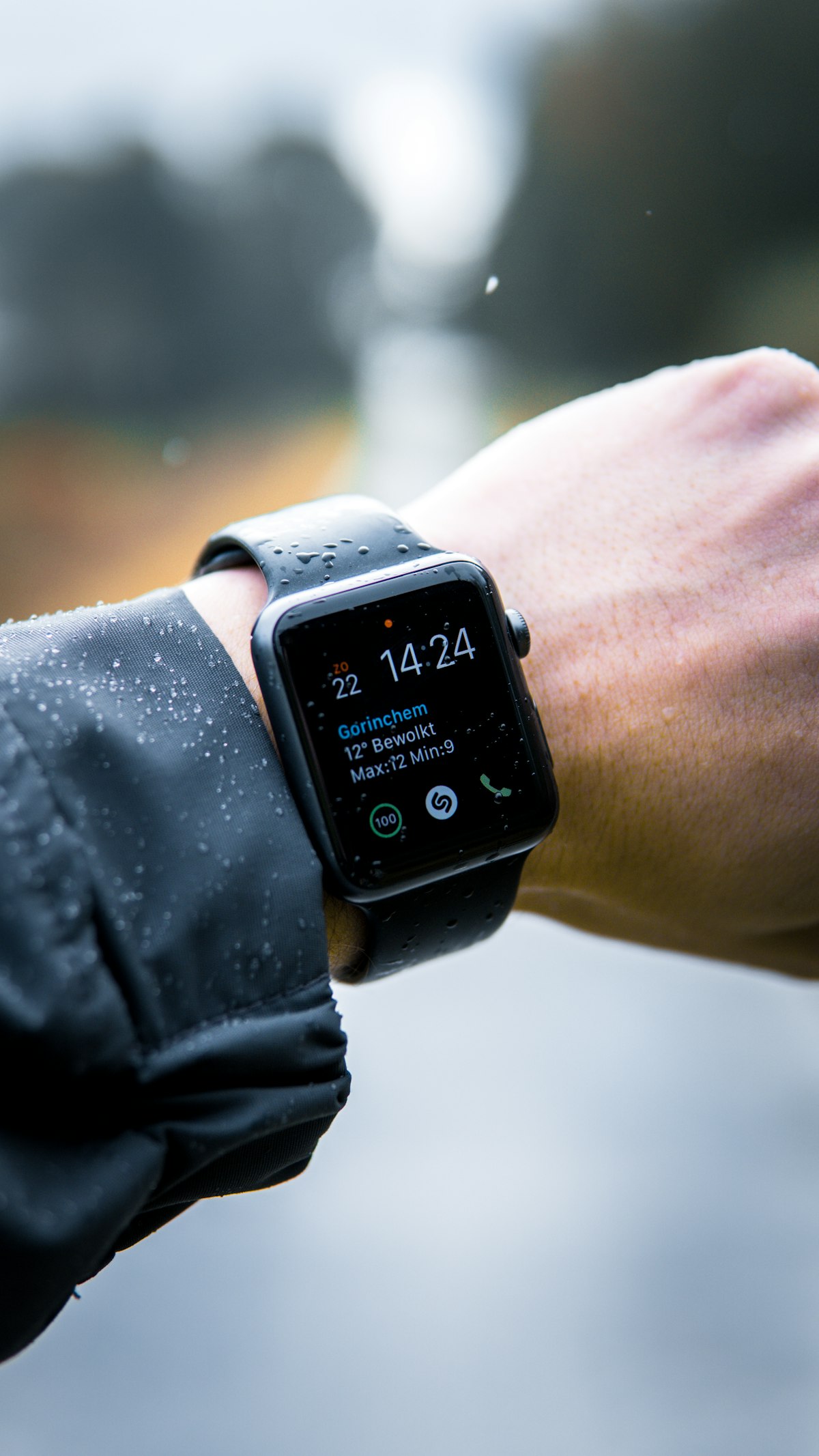
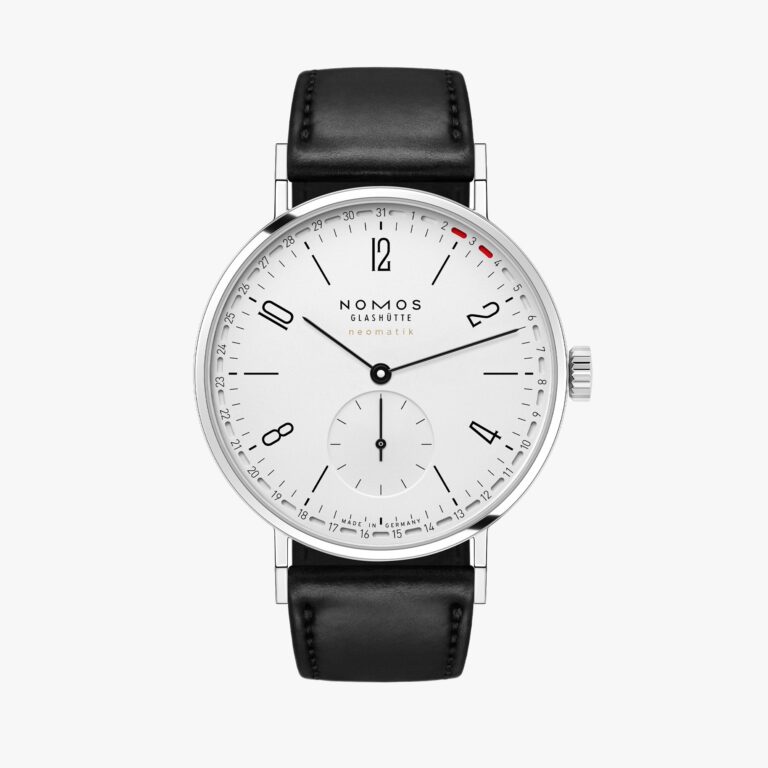
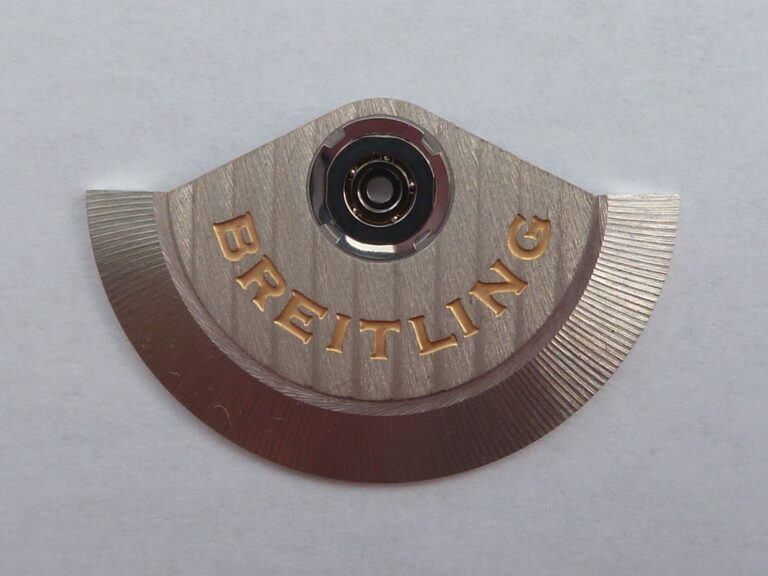
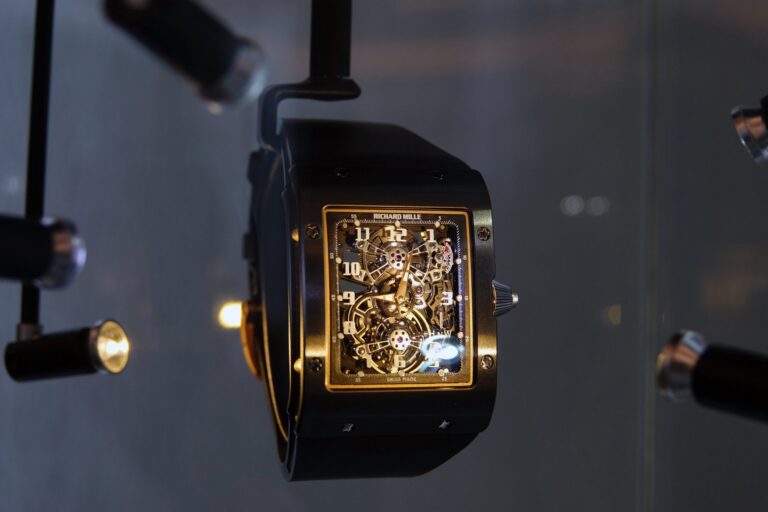
An analog watch tells the time with a physical dial, printed indices or numerals, and hands that sweep the circle. Mechanical examples achieve this with hundreds of tiny components a mainspring, a gear train, an escapement all cut and assembled by hand. That is why a well-made mechanical watch commands prices that would buy a small car. You are not paying for the ability to read the hour; you are paying for a tiny machine that has been kept alive, largely unchanged in principle, for close to three hundred years.
Hold a good one up to your ear and you will hear the difference immediately. The beat of a mechanical movement is a fast, even tick around four to six oscillations per second, whereas the quartz inside a digital watch is silent except for one click a second. That audible heartbeat is the closest a timepiece gets to a pulse, and it is a big part of why collectors describe their watches as “alive.”
There is also the heirloom argument. A mechanical analog watch, serviced every five to seven years, can run for generations. Digital watches, by contrast, are built around electronics and batteries that will not see your grandchildren. If permanence matters to you, that single fact decides the debate before it starts.
What a digital or smart watch actually does better than hands on a dial
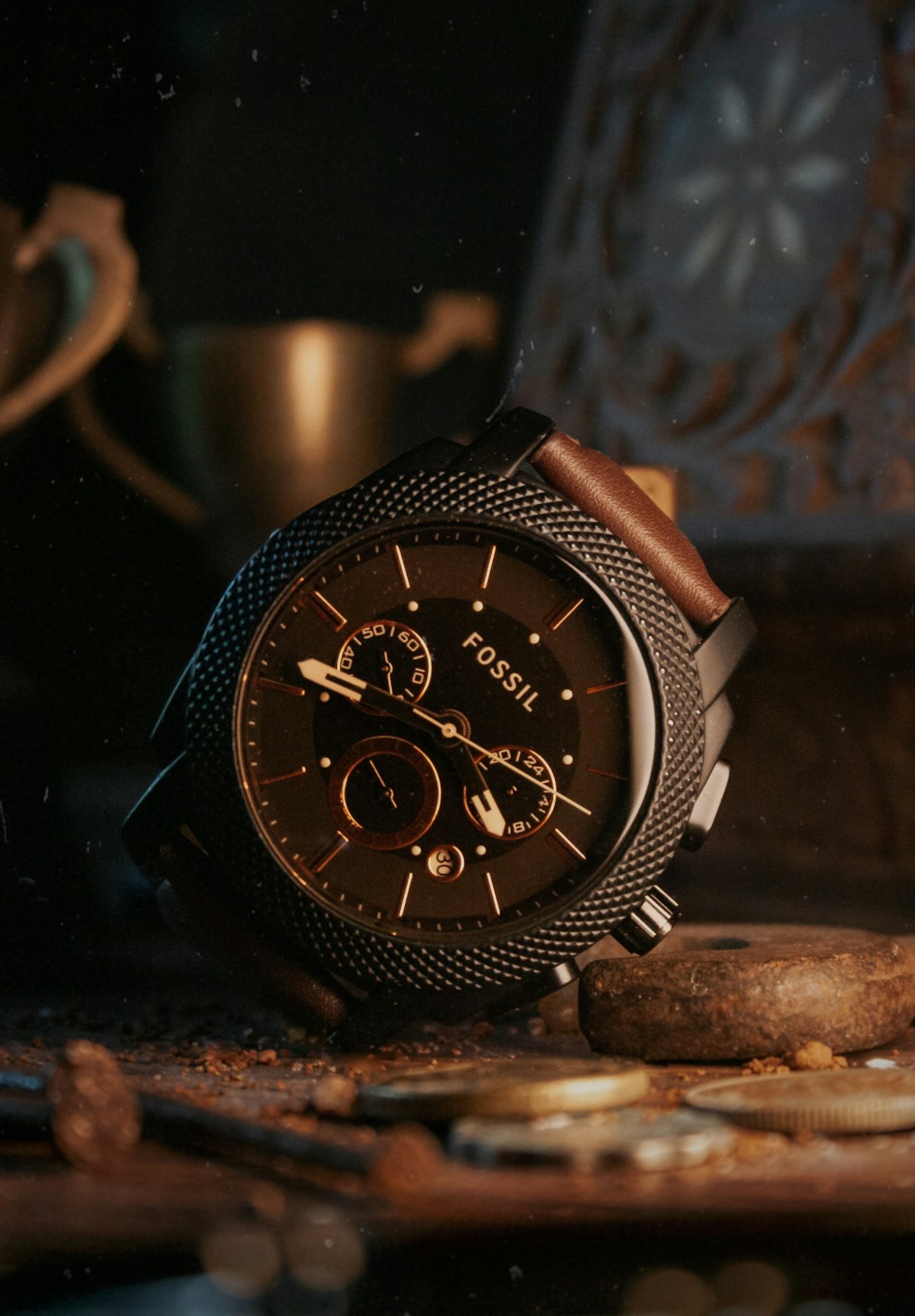
Step out of a dim boardroom and glance at a digital display and you get the exact time with zero interpretation. No reading hand angles, no second-guessing whether the minute hand crossed the marker yet. For athletes, divers, and field professionals who need an unambiguous answer in an instant, that legibility is the whole game.
Because digital watches are almost universally quartz-powered, they also hold time to within a few seconds a year. An analog quartz is accurate too, but the base movement is shared; the digital readout just makes that accuracy impossible to misread. And where features matter, digital wins outright:
- Stopwatch and countdown timers for workouts, cooking, and time-boxed work sprints.
- Multi-timezone display for travelers coordinating across borders.
- Alarms and backlighting that work in any light, any hour.
- Health sensors and notifications on smart models that track heart rate, sleep, and message pings.
Smartwatches have pushed this further than any LCD watch of the 1980s could imagine. They are miniature computers strapped to the wrist, and for the person who wants fitness data and phone alerts one glance away, nothing analog comes close.
The hybrid middle ground: analog hands, digital brain
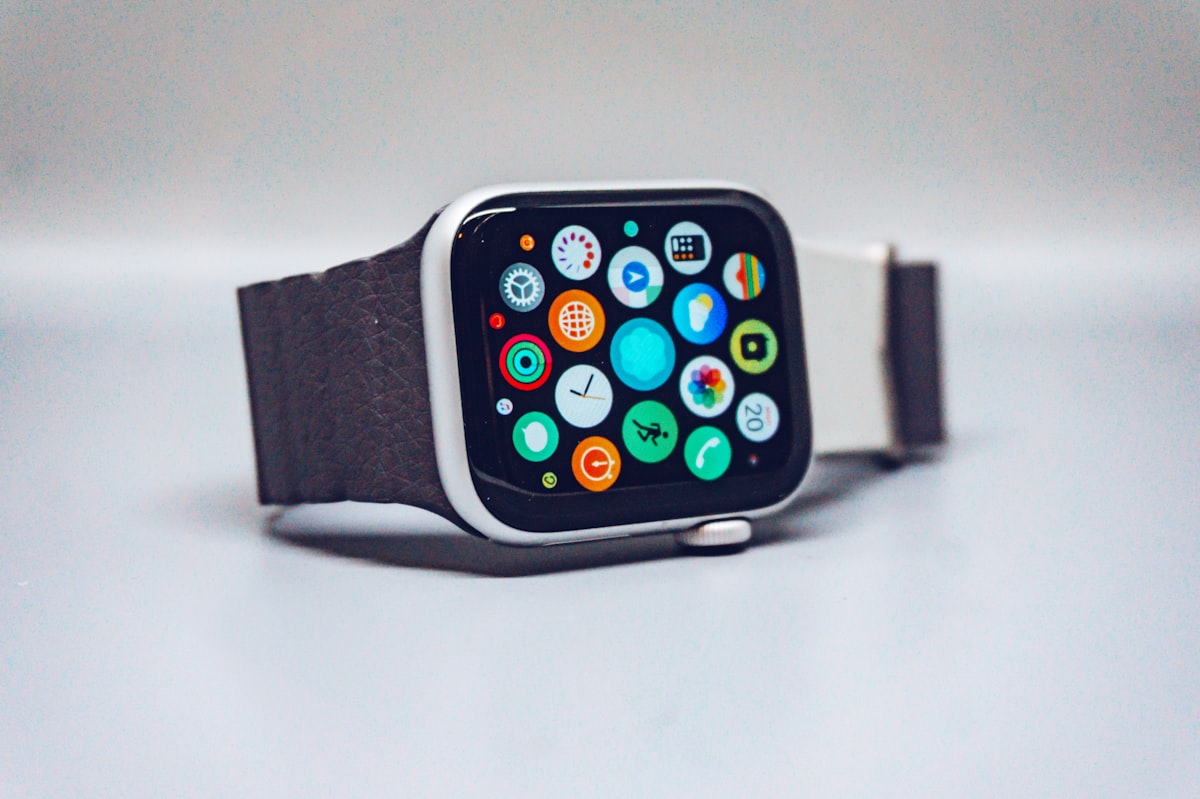
Manufacturers noticed the squeeze and now offer a genuinely useful compromise. Hybrid watches mount real mechanical or quartz hands over a small digital sub-display, giving you the classic look during the day and a stopwatch or second timezone on demand. Smartwatches with customizable analog faces take the opposite route, wrapping a full suite of sensors and notifications inside a traditional-looking dial.
Both are aimed squarely at the same person: someone who wants a sophisticated piece in the office but a functional tracker in the gym. It is the honest answer for anyone who refuses to pick a side, and a fair number of the best-selling releases of the last five years landed squarely in this space.
Analog for focus, digital for efficiency: the psychology of your wrist
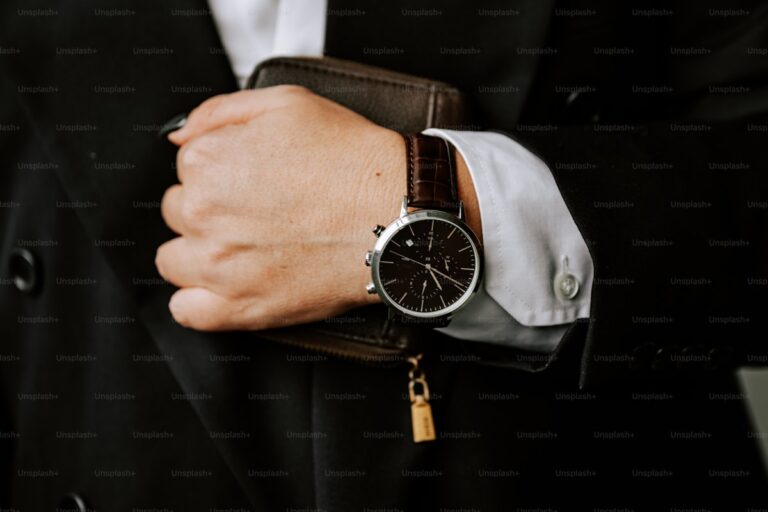
There is a quieter reason people choose, and it deserves attention. Glancing at an analog watch is a single, closed task: you read the time. There is no notification, no tempting swipe, no badge count. Many owners say a mechanical watch serves as a deliberate disconnect a small, physical boundary between their wrist and the endless pull of the phone.
Reading a digital display, especially a smartwatch, asks the opposite. It hands you exactly the information you need, alongside everything your apps want you to see. For the person who wants to optimize every minute, that tight integration is the point. You are trading quiet ritual for raw utility, and for a lot of wrists that is the right call.
Neither philosophy is more valid. They serve different days, different jobs, different selves.
A quick field guide: matching the watch to the way you live
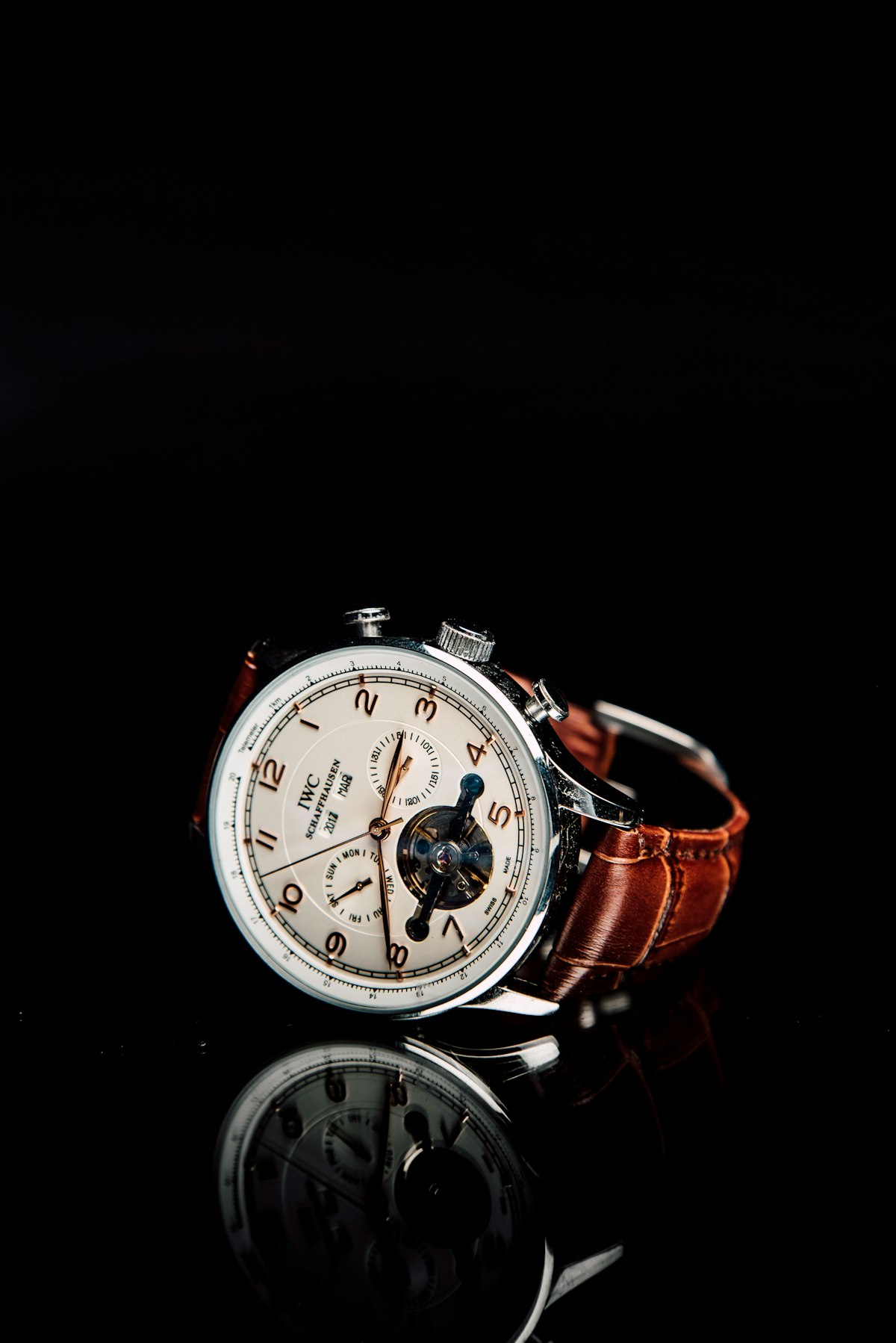
| What matters to you | Choose analog | Choose digital |
| Style across settings | Classic dress or tool looks that pair with a suit as easily as a t-shirt | Sporty, rugged, or calculatedly minimalist aesthetics |
| Feature set | Time, date, maybe a chronograph; simplicity on purpose | Timers, alarms, heart-rate, notifications on models that have them |
| Long-term value | Serviceable, designed to be passed down | Electronics age; batteries and firmware eventually expire |
| Daily engagement | A deliberate, calm act of reading the time | Full integration with your schedule and data |
Your philosophy toward time is the deciding factor. If you see the day as a crafted narrative to be observed, the honest choice is analog. If you see it as a stream of data points to be managed and measured, digital wins. The right watch is the one that fits the life you actually live, not the one the marketing team wants you to claim.