Mechanical watches stand as timeless marvels of engineering and artistry. In an era dominated by smart devices that track every heartbeat and step, these intricate timepieces remind us of the beauty in precision craftsmanship. Unlike their quartz counterparts powered by batteries, mechanical watches rely on a symphony of tiny parts working in harmony, all driven by the subtle energy of a wound spring.
For enthusiasts and newcomers alike, understanding the essential components reveals why these watches are not just tools for telling time but heirlooms that whisper stories of innovation and patience.
At the core of every mechanical watch lies a delicate balance of function and form. From the hidden gears that tick away seconds to the visible elements that catch the light, each part plays a vital role. This exploration dives deep into those key pieces, breaking down their roles, materials, and the subtle ways they elevate a watch from mere accessory to mechanical poetry. Whether you are eyeing your first automatic or curating a collection, grasping these fundamentals enhances appreciation and informs smarter choices.
The Heartbeat: The Movement
No discussion of mechanical watches can skip the movement, often called the “engine” or “caliber.” This is the soul of the watch, a compact universe of wheels, springs, and levers that converts stored energy into rhythmic motion. Crafted from metals like brass or steel, and sometimes even gold for luxury models, the movement dictates accuracy, power reserve, and overall reliability.
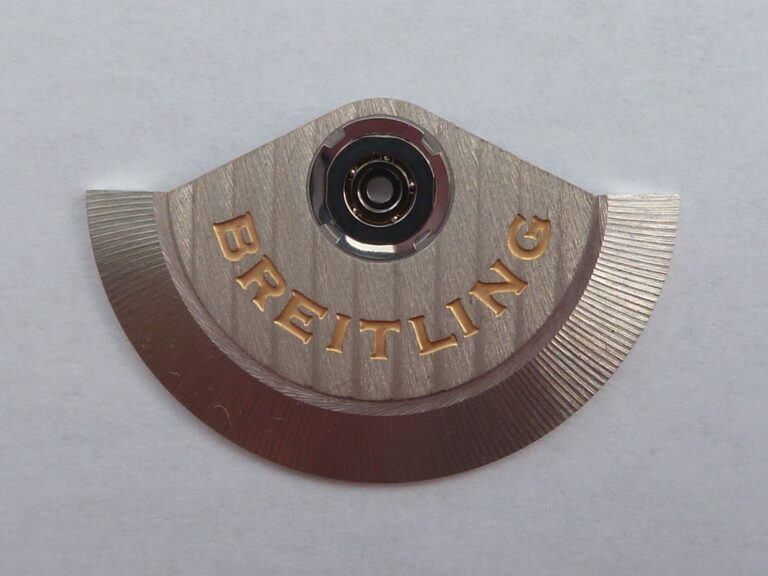
Central to the movement is the mainspring, a coiled strip of steel that stores potential energy. When you wind the watch via the crown, this spring tightens, gradually releasing its tension to power the entire system. In manual versions, this winding happens daily by hand. Automatic watches, however, incorporate a rotor, a half-moon shaped piece that swings with wrist motion, automatically rewinding the mainspring. This innovation, pioneered in the early 20th century, means less intervention from the wearer, though it adds a layer of complexity.
Surrounding the mainspring sits the gear train, a series of interlocking wheels that transmit energy from the barrel, where the mainspring resides, to the escapement. These gears vary in size, with larger ones for minutes and smaller for seconds, ensuring smooth progression. Precision here is paramount; even a slight misalignment can lead to erratic timekeeping. Watchmakers often finish these gears with intricate patterns, like Geneva stripes, not just for aesthetics but to reduce friction and dust accumulation.
The escapement deserves special mention as the movement’s regulator. It acts like a metronome, doling out energy in controlled bursts. The Swiss lever escapement, the most common type, features a pallet fork that rocks back and forth, unlocking and locking the escape wheel in precise intervals. Each “tick” releases just enough power to advance the hands while allowing the balance wheel to oscillate freely. This component traces its roots to 18th-century horologists like Thomas Mudge, whose designs laid the groundwork for modern reliability.
Speaking of the balance wheel, this oscillating heart beats at rates between 21,600 and 36,000 vibrations per hour, depending on the caliber. Suspended on a hairspring, it swings left and right, maintaining consistent time despite gravity or position changes. High-end movements use silicon hairsprings for better shock resistance and magnetism immunity, innovations from brands pushing the boundaries of tradition.
The movement also houses the jewels, synthetic rubies that serve as low-friction bearings for pivots. These aren’t decorative; they prevent wear in high-stress points, with counts ranging from 17 in basic models to over 50 in complex ones. Assembling a movement demands years of training, often under magnification, as tolerances measure in microns. A single flaw, and the whole orchestra falls silent.
In essence, the movement embodies the watch’s philosophy: reliability through redundancy and finesse. Brands like Rolex or Patek Philippe certify their calibers with chronometer standards, ensuring accuracy within seconds per day. For collectors, the movement’s finishing, visible through exhibition case backs, turns a functional core into a work of art.
The Canvas: Dial and Hands
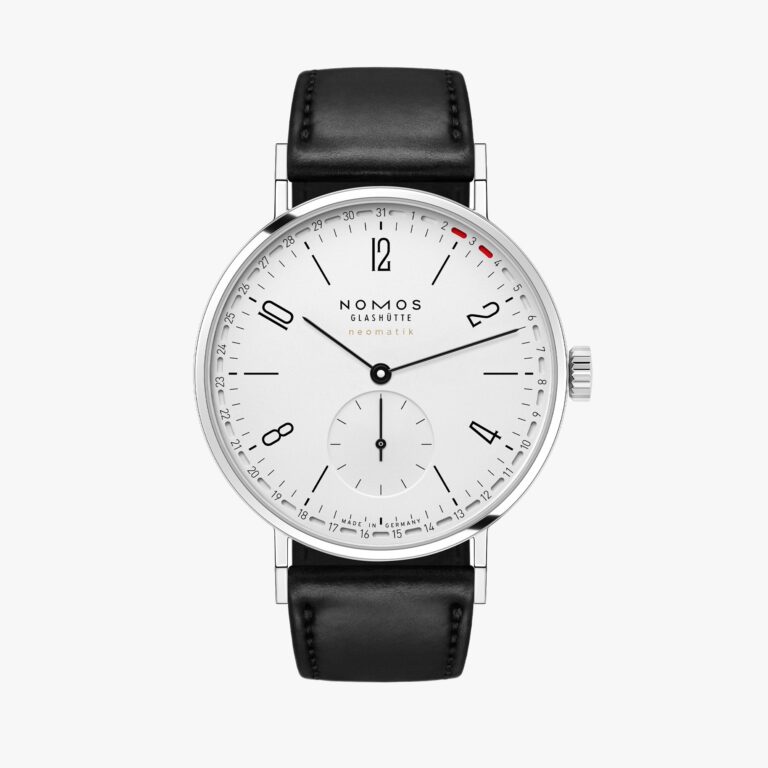
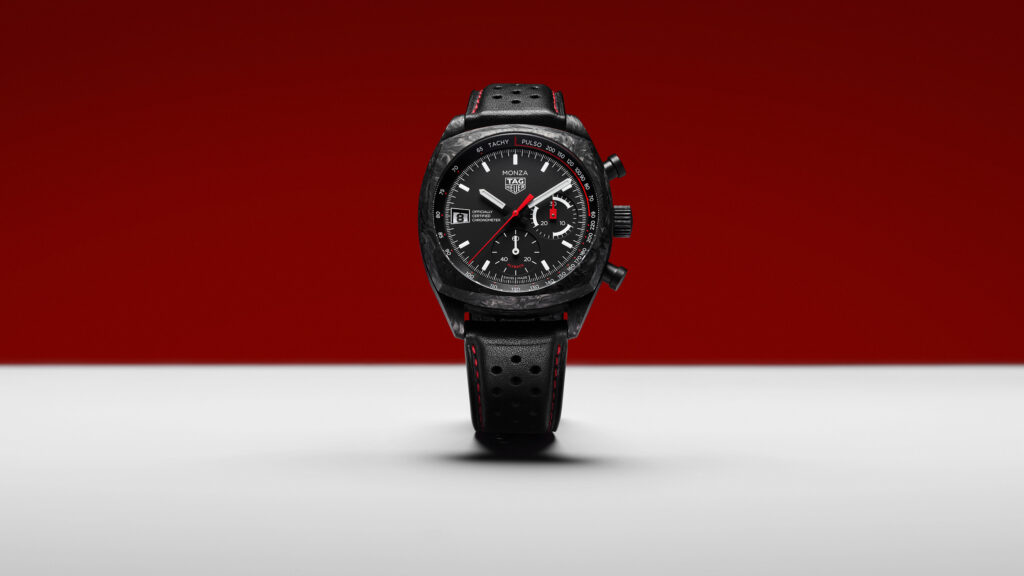
If the movement is the heart, the dial serves as the face, conveying time at a glance while inviting closer inspection. Typically made from brass, then plated or enameled, dials range from minimalist black to sunburst blue, each finish catching light to enhance legibility. Subdials for chronographs or moon phases add depth, turning the dial into a storytelling surface.
Markers and numerals frame the dial, often in applied metal for a three-dimensional feel or printed for subtlety. Luminosity comes from Super-LumiNova, a non-radioactive compound that glows green or blue in darkness, crucial for divers’ watches. The chapter ring, a subtle outer track, aids precise reading, especially on models with railway-style tracks.
Hands, those slender pointers, demand equal scrutiny. Hour, minute, and seconds hands vary in length and shape, from dauphine for elegance to sword for sportiness. Crafted from steel or gold, they undergo polishing or brushing to match the dial’s texture. The seconds hand’s sweep, powered by the escapement, distinguishes mechanicals from quartz’s step motion, a tactile joy for purists.
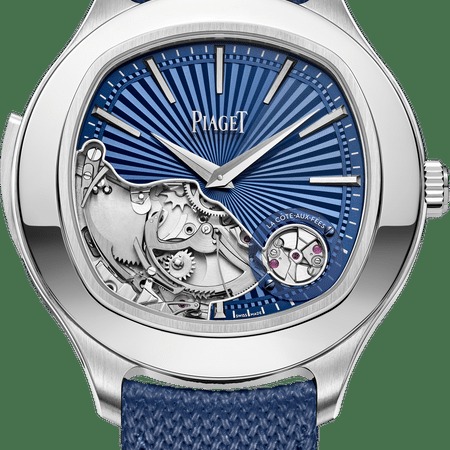
Customization thrives here; skeleton dials expose the movement beneath, while guilloche patterns etched via rose engine lathes create hypnotic waves. These details, born from artisan hands, elevate everyday wear to personal expression. A well-designed dial not only tells time but evokes emotion, whether the quiet confidence of a pilot’s chronometer or the opulence of a dress watch’s enamel masterpiece.
The Armor: Case and Crystal
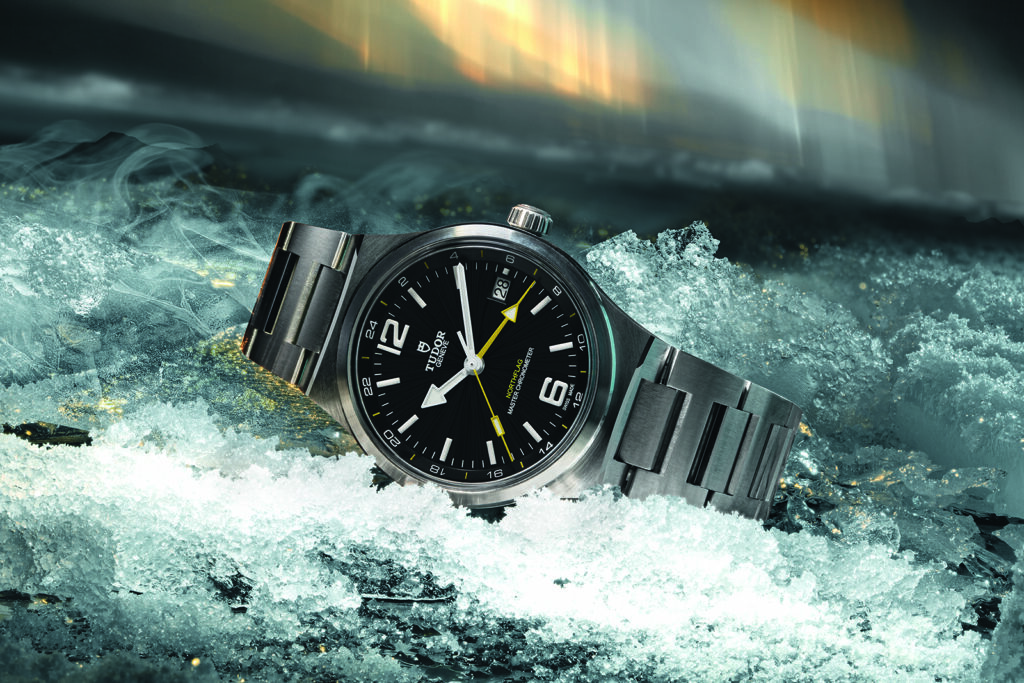
Encasing the delicate internals, the case provides protection and personality. Stainless steel dominates for durability, with grades like 904L offering corrosion resistance ideal for marine environments. Gold or titanium alternatives cater to luxury or lightweight preferences, each alloy influencing weight and patina over time.
Case shapes evolve from round classics to tonneau curves, with dimensions measured in millimeters across the bezel. Lug-to-lug width affects wrist fit, a detail overlooked by novices but cherished by fit enthusiasts. Water resistance, tested in bars or meters, relies on gaskets and screw-down crowns, enabling submersion for dive watches up to 300 meters.
The crystal, that transparent shield, guards the dial from scratches and impacts. Sapphire dominates for its hardness, second only to diamond, though mineral glass appears in vintage-inspired pieces for a softer, more period-correct look. Anti-reflective coatings on both sides minimize glare, ensuring clarity under harsh lights or deep water.
Bevels and chamfers on case edges, hand-polished to mirror finishes, contrast brushed sides for visual depth. These touches, subtle yet profound, reflect the watchmaker’s commitment to harmony between form and function. A robust case not only safeguards but sculpts the watch’s identity, from tool-watch toughness to evening elegance.
The Controls: Crown and Bezel
Interaction begins with the crown, a knurled knob at three o’clock for winding and setting. Unsigned for discretion or signed with brand logos, it unscrews for water resistance, twisting smoothly against internal threads. Guards flanking it prevent accidental knocks, a feature on rugged models.
The bezel, that rotating rim, adds utility. Fixed on dress watches, it frames the dial with coin-edge detailing. Unidirectional bezels on divers track elapsed time, with luminous pips for low-light use. Ceramic inserts resist fading, a modern upgrade from aluminum.
These elements bridge wearer and mechanism, demanding intuitive design. A well-engineered crown feels rewarding to turn, each click advancing date or time with satisfying precision. Bezels, meanwhile, transform static cases into dynamic tools, echoing the watch’s adventurous spirit.
The Link: Lugs and Strap
Lugs, those protruding ears, anchor the strap or bracelet, curving to hug the wrist. Curved for comfort or straight for angularity, they influence overall ergonomics. Hole placements allow quick-release springs for easy swaps.
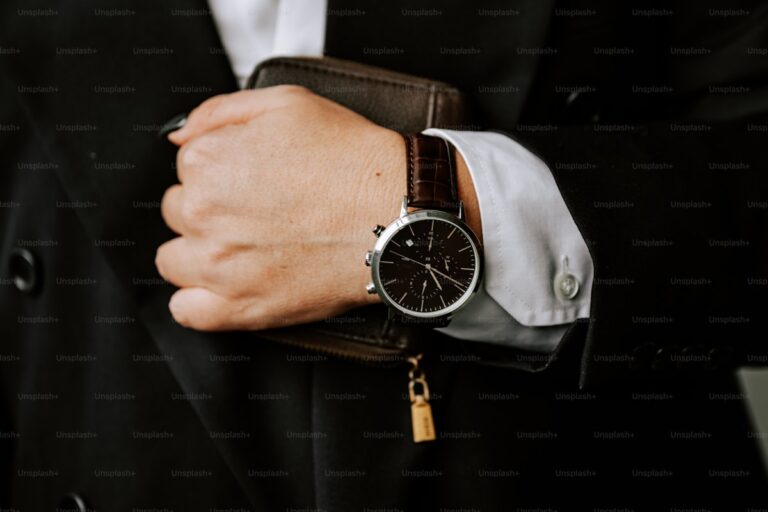
Straps vary widely: leather for suppleness, evolving from supple calfskin to exotic alligator; NATO for military robustness in nylon weaves; metal bracelets with solid links for seamless integration. Quick-adjust clasps, like butterfly or diver’s extensions, fine-tune fit on the fly.
This connection point personalizes the watch, adapting from boardroom leather to weekend rubber. Quality matters; poor lugs lead to gaps, while premium straps age gracefully, developing character through patina and wear.
Beyond Basics: Complications and Innovations
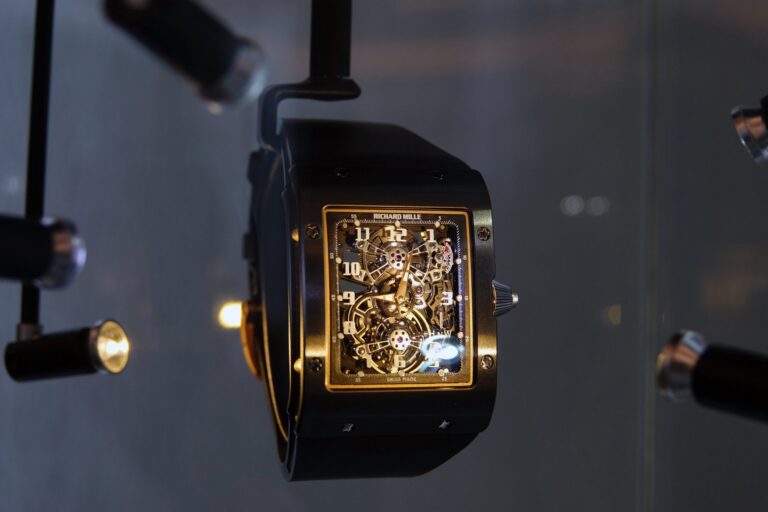
True aficionados seek complications, additional functions beyond hours, minutes, and seconds. Perpetual calendars track leap years via intricate cams; tourbillons counter gravity’s pull with rotating cages; chronographs time events with subdial counters.
These feats demand larger movements and higher jewel counts, often hand-assembled over months. Innovations like co-axial escapements reduce friction, or silicon components fend off magnetism from modern life.
Yet, even simple three-handers shine through refinement. The interplay of components fosters reliability, with servicing every five years maintaining peak performance. In a digital world, these watches endure as testaments to human ingenuity.
Wrapping Up the Timeless Puzzle
Mechanical watches weave a tapestry of components, each thread essential to the whole. From the movement’s silent pulse to the strap’s gentle embrace, they invite us to slow down, savoring the craft that defies obsolescence. As you explore this realm, remember: a great watch fits not just the wrist but the life it accompanies.
Whether starting with an accessible Seiko or aspiring to a Grand Seiko, knowledge of these parts empowers informed passion. Dive into showrooms, forums, or museums; the world of horology rewards the curious. In the end, these timepieces do more than mark moments. They create them.