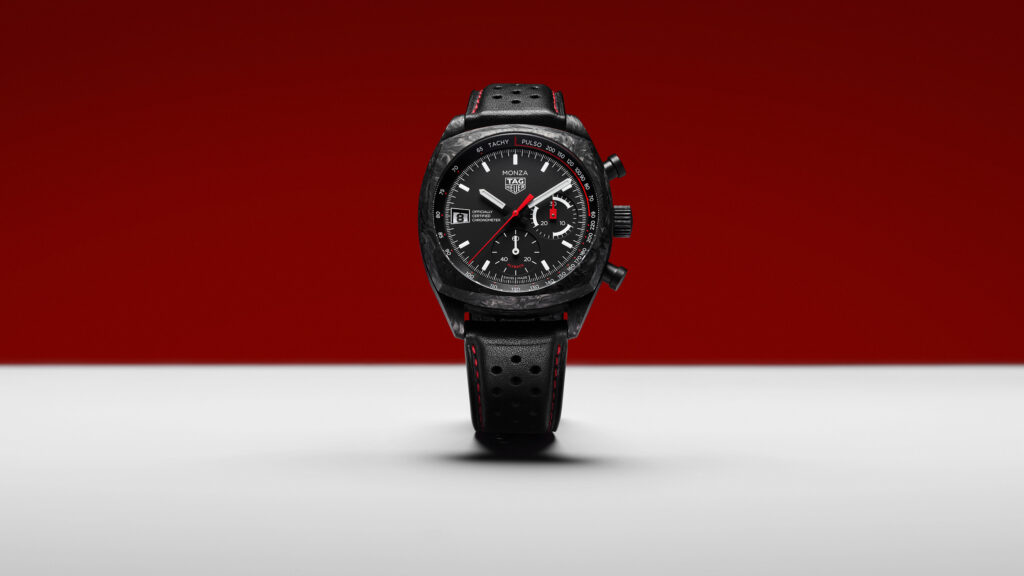
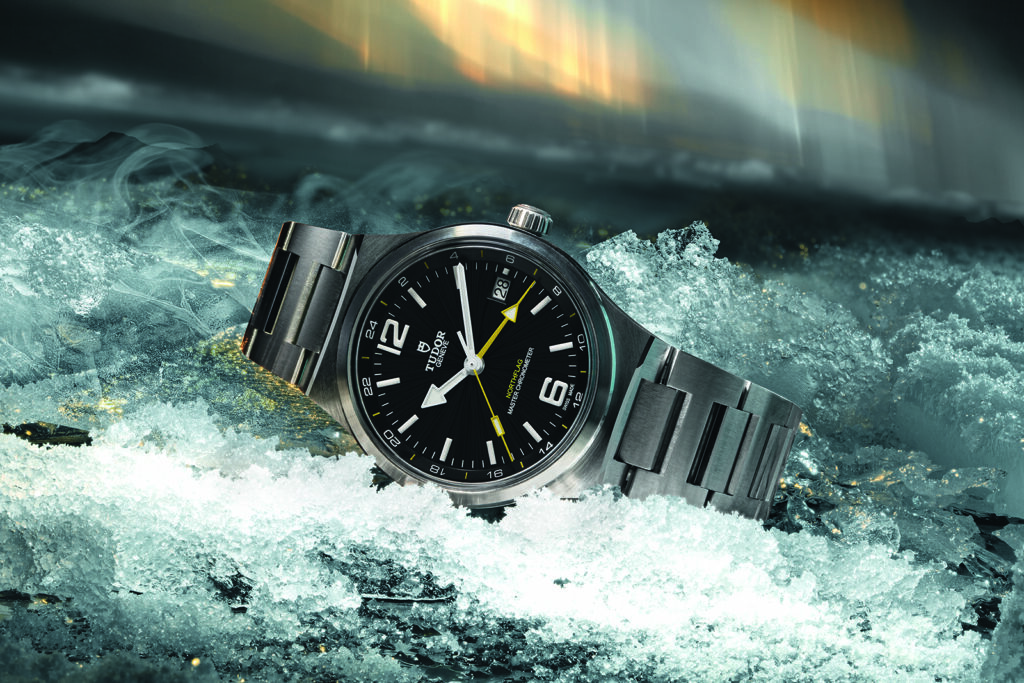
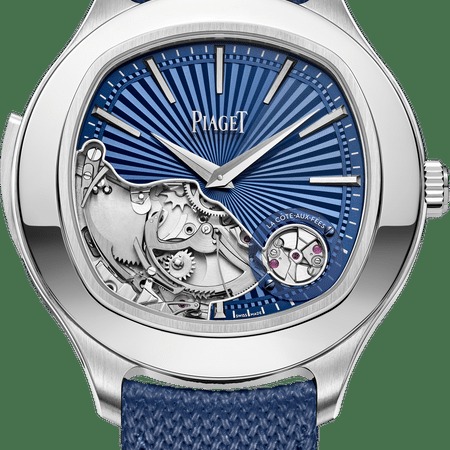
The world of horology is a vast and intricate landscape, and for anyone stepping into it the sheer range of options can feel overwhelming. Strip away the complications, materials and brand lore and three archetypes stand as the foundation of any serious collection: the dress watch, the diver and the field watch. Each was born from a specific need and carries its own cultural DNA. Understanding their origins, core characteristics and intended functions is the key to picking a timepiece that is not merely accurate, but a genuine fit for your daily life.
This guide breaks down what each genre is really for, looks at the engineering and design choices behind them, and helps you decide which one belongs on your wrist.
The Dress Watch: Where Minimalism Meets Formal Dress
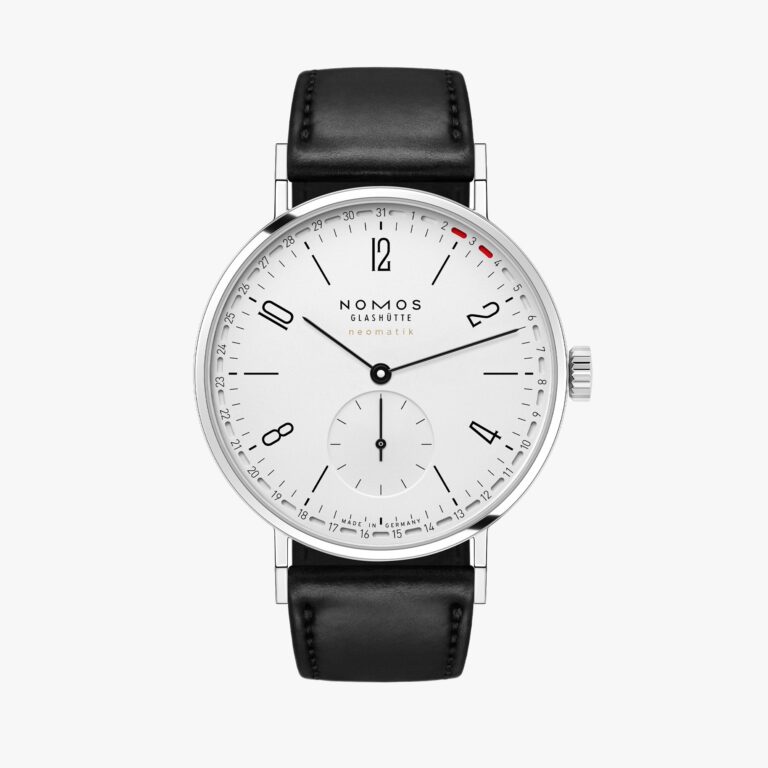
A dress watch is the purest form of the wrist-worn timekeeper. Its job is single and unchanging: to tell the time with quiet sophistication while complementing formal attire. Its design philosophy rests on “less is more” — harmony, clarity and a slender profile.
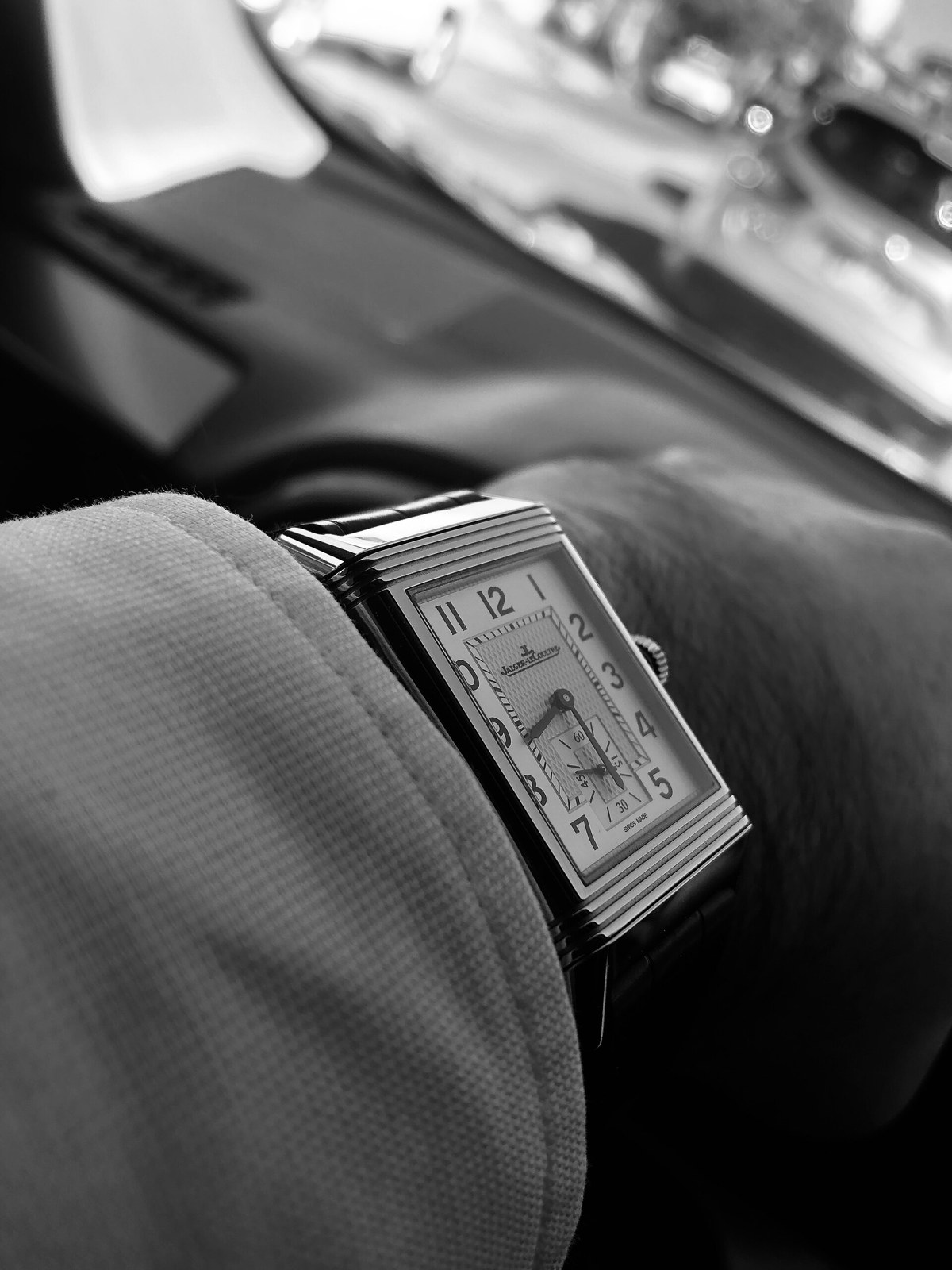
The Lineage of the Dress Watch
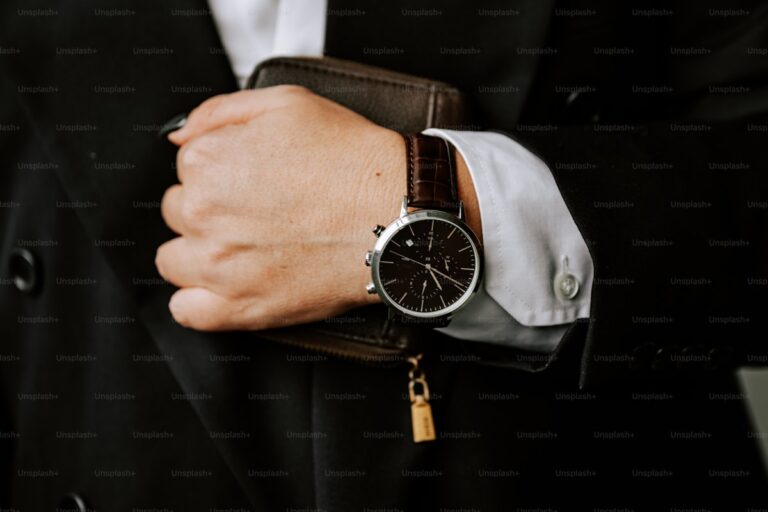
The modern dress watch descends from the earliest wristwatches worn by men in the post-pocket-watch era. They were designed to slip beneath a shirt cuff without snagging — a crucial consideration for black-tie events and formal business settings. Through the mid-20th century, the golden age of dress watches, models were small, delicate and often made of precious metals, establishing them as symbols of refined taste rather than military or expeditionary bulk.
What Defines a Dress Watch
The defining traits are slenderness and minimalism.
- Case profile: A thin case is paramount, with diameters traditionally modest — often 34mm to 40mm — for proportionality and comfort.
- Dial aesthetics: Clean and uncluttered, with complications kept to a minimum — typically a small date window or a sub-seconds dial. Hour markers are simple batons, applied indices or Roman numerals, in classic tones of white, silver or black.
- Strap material: A high-quality black or brown leather strap is the standard, enhancing formality and comfort.
Who Should Choose a Dress Watch The dress watch is indispensable for anyone who regularly attends formal events or business meetings, or who simply wants a timeless, conservative look. It prioritises grace and tradition over rugged utility.
The Diver: Built for Life Underwater
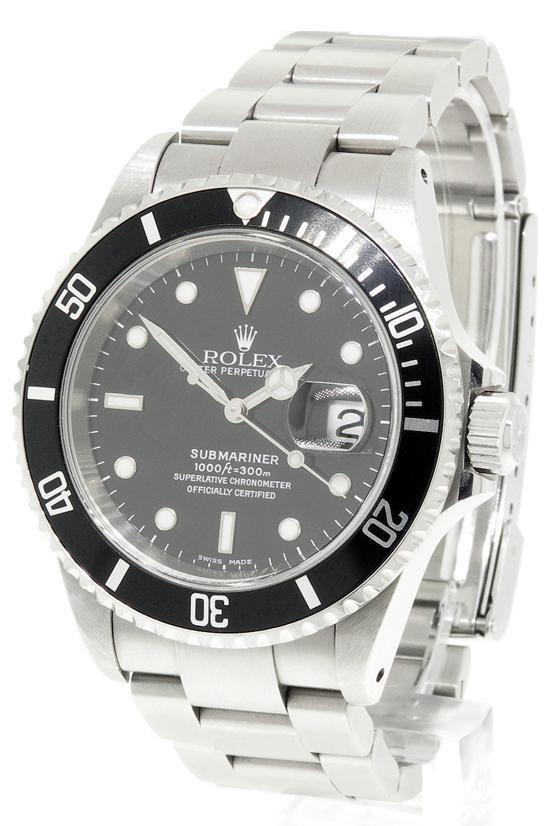
The diver is the most universally recognisable of the tool-watch genres. Unlike the dress watch, its entire architecture is dictated by a life-or-death function: safely monitoring elapsed time underwater. Those robust features have long since outgrown their original purpose, making the diver a symbol of adventure and resilience on dry land too.
Forged in the Age of Underwater Exploration
The true dive watch came into its own in the 1950s, driven by the rise of scuba diving and professional underwater exploration. Brands raced to meet the exacting safety standards required for a timepiece to serve as a reliable backup to a diver’s depth gauge. The result was a marvel of practical engineering, and its core features have remained largely unchanged ever since.
What Makes a Diver Tick
The diver is defined by robustness and superior water resistance, with features that are functional requirements rather than aesthetic choices.
- Water resistance: ISO 6425 certification is the gold standard for professional divers, though 200 metres (20 ATM) is generally the minimum for a true diver. This demands a screw-down crown and solid case back.
- Unidirectional bezel: The diver’s signature tool. It rotates only one way — counter-clockwise — to prevent accidental movement from suggesting a shorter elapsed time, which could let a diver miscalculate their remaining air. The bezel carries a 60-minute scale for tracking dive time or decompression stops.
- Legibility: Bold hands and markers, often geometrically shaped, with generous lume so the time stays readable in total darkness.
Who Should Choose a Diver This is the pick for active people, water-sports enthusiasts, or anyone who wants a solid, reliable piece of engineering. Its versatility lets it move from a beach holiday to a casual office with ease, carrying a sense of understated capability.
The Field Watch: A Testament to Rugged Function
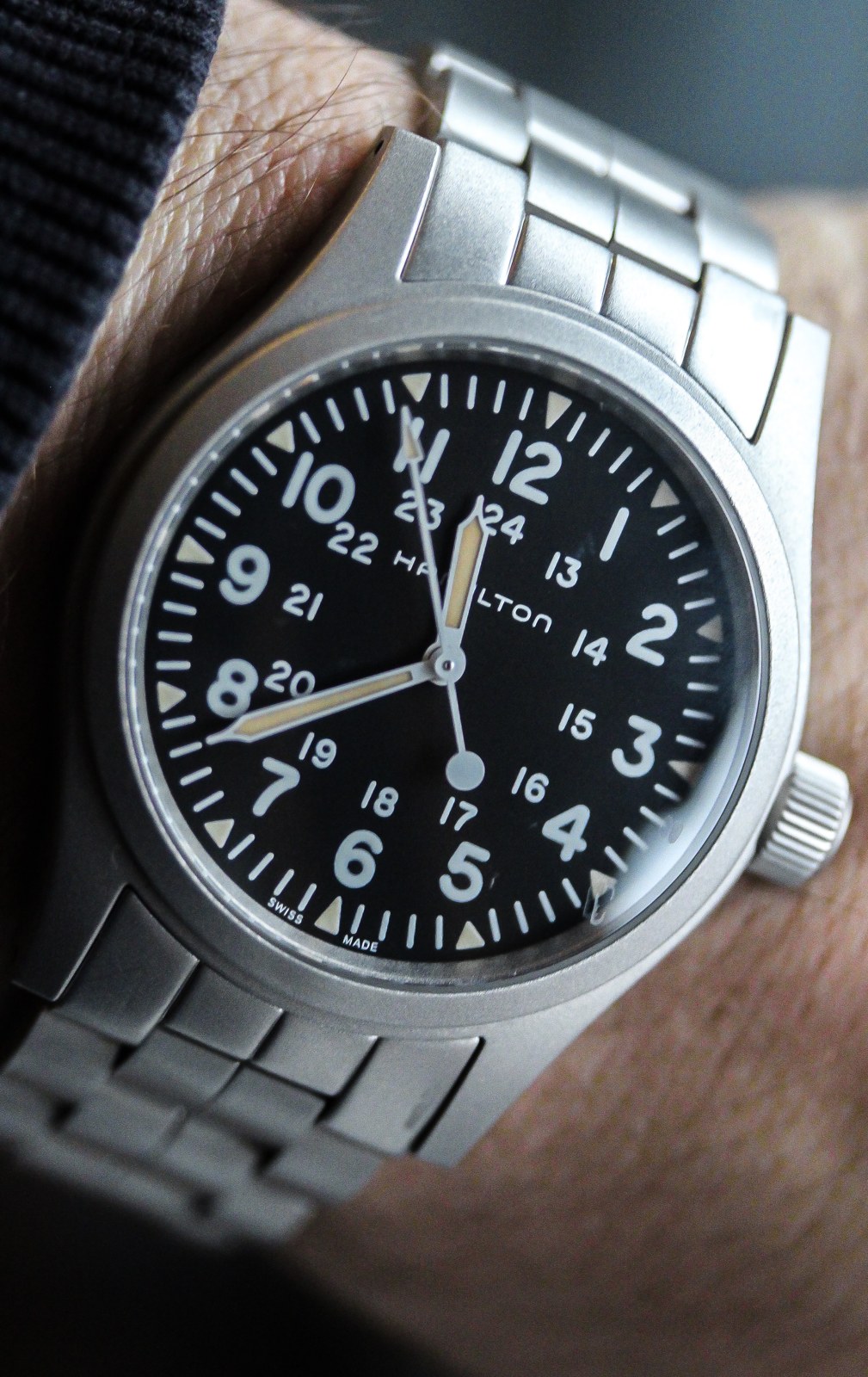
The field watch is the dependable workhorse of the genre. Born from the trenches of World War I and standardised in the military watches of World War II, its design prioritises absolute legibility and durability in the most challenging terrestrial environments.
From the Battlefield to the Trail
The need to coordinate troop movements and time manoeuvres made the field watch essential military equipment. Unlike the delicate pocket watches they replaced, field watches were tough, shock-resistant and readable at a glance — by night or under desert sun. That heritage gives the modern field watch an authentic grit that no urban reissue can fake.
Key Traits of a Field Watch
The field watch is characterised by simplicity, toughness and clarity.
- Case and construction: Usually stainless steel, occasionally titanium, built rugged without excessive bulk. Matte or bead-blasted finishes reduce reflections — a detail carried over from its military past. Water resistance is typically around 100 metres (10 ATM), enough for everyday activity, rain and splashes.
- Dial layout: The signature feature. Large bold Arabic numerals for the 12-hour track, often with a secondary inner ring for the 24-hour military format — essential for unambiguous communication.
- Strap material: Canvas, fabric or NATO-style straps — comfortable, quick-drying and durable, ideal for outdoor and active use.
Who Should Choose a Field Watch It appeals to hikers, campers, outdoorspeople and anyone who values a no-nonsense functional aesthetic, on a weekend expedition or for everyday casual wear.
Choosing Your Match: A Lifestyle Audit
Deciding between a dress, diver or field watch should be a pragmatic assessment of your life, your style and your needs. There is no single “best” watch — only the one that is best for you.
For the Office and Formal Settings If your life revolves around boardrooms, formal dinners and smart business attire, the dress watch is your uncontested champion — slim, unobtrusive, projecting quiet confidence in professional settings.
For Water and Travel If you are frequently near or in the water, or simply want a watch that can handle whatever life throws at it, the diver is the right choice. Its water resistance and shock protection make it the most versatile and durable option for sports, travel or demanding weekends, and the rotating bezel doubles as a simple timer for everyday tasks like cooking or parking meters.
For the Outdoors and Casual Utility If weekends mean hiking, camping or exploration and legibility is your top priority, the field watch will be your loyal companion — tough yet lightweight, built for reading the time quickly and clearly in any terrain.
The One-Watch Collection: When Versatility Wins
Many collectors end up owning one of each archetype, but plenty of people are searching for the single one watch that does it all. In that hunt the diver usually comes out on top. Its robust build, water resistance and generally neutral looks allow it to be dressed up on leather or dressed down on a NATO strap, making it the genuine all-rounder of modern horology. The clean lines and moderate sizing of a modern field watch make it an excellent alternative, especially for those whose style leans towards heritage and ruggedness.
However you weigh the trade-offs, the right move is to respect the history and purpose behind each genre. Buy the watch that matches your actual life, and you are not just acquiring a mechanism — you are picking a piece of mechanical history tuned to your rhythms. Choose wisely, and it will not merely tell the time; it will tell your story.