In the world of watches, few topics spark more debate than the one between automatic and quartz movements. Both have their devoted fans, and for good reason. Automatic watches, with their intricate mechanical hearts, evoke a sense of timeless craftsmanship. Quartz watches, on the other hand, bring precision and reliability to the wrist with effortless grace.
But which one truly fits your life? Whether you are a collector chasing heirloom quality or a busy professional needing a no-fuss companion, understanding these two giants can guide you to the perfect pick.
This article dives deep into the nuances of each type. We will explore their histories, mechanics, pros and cons, and real-world applications. By the end, you will have the tools to decide if the subtle sweep of a second hand or the steady tick of quartz aligns with your style and needs. Let us wind up and get started.
Understanding Automatic Watches
Automatic watches represent the pinnacle of horological artistry. At their core, they are self-winding mechanical marvels powered entirely by the natural motion of your wrist. Invented in the early 20th century, with pioneers like Abraham-Louis Perrelet laying the groundwork as far back as the 1770s, automatics gained widespread popularity post-World War II. Brands like Rolex and Omega turned them into symbols of luxury and endurance.
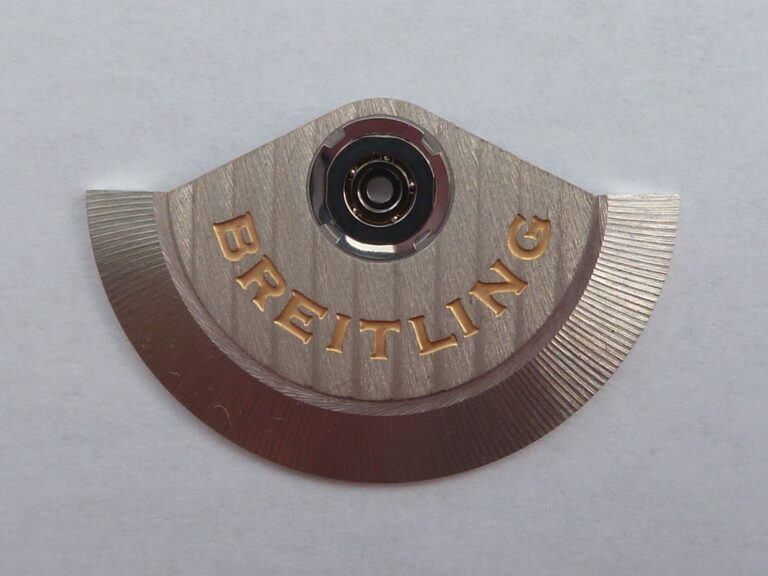
How do they work? Inside an automatic watch lies a rotor, a semicircular piece of metal that spins freely with every movement you make. This motion winds the mainspring, storing energy to drive the gear train and escapement. The result is a sweeping second hand that glides smoothly across the dial, a hallmark of mechanical elegance. No batteries required, just your daily rhythm.
The appeal goes beyond function. Owning an automatic feels like carrying a piece of engineering poetry. Take the Rolex Submariner, for instance. Its automatic movement not only tells time but also withstands depths of 300 meters, a testament to robust design. Enthusiasts often speak of the “soul” in these watches, the way they respond to wear and develop a patina over years of use.
Yet, this beauty comes with quirks. Automatics demand regular wear or a watch winder to stay powered. If left idle for too long, they stop, requiring a manual wind or shake to revive. Maintenance is another factor. Every three to five years, a professional service cleans and lubricates the hundreds of tiny parts, costing anywhere from $200 to $800 depending on the brand. For the uninitiated, this can seem daunting, but for many, it is part of the ritual that deepens the bond with the watch.
In terms of accuracy, automatics typically lose or gain a few seconds per day. High-end models certified by the Contrôle Officiel Suisse des Chronomètres (COSC) aim for -4/+6 seconds daily. It is not atomic precision, but that slight variance adds character, like the imperfections in a handmade vase.
For collectors or those who appreciate heritage, automatics shine. They pair beautifully with formal attire or as conversation starters at events. Imagine slipping on a vintage Omega Speedmaster, the same model that joined astronauts on the moon. It is not just timekeeping; it is storytelling on your wrist.
Exploring Quartz Watches
Quartz watches burst onto the scene in the 1970s, heralding what some called the “quartz crisis” for traditional watchmakers. Seiko led the charge with the Astron in 1969, a battery-powered innovation that redefined accuracy. Today, quartz dominates the market, powering everything from affordable Casios to high-end TAG Heuer models.
The magic happens via a quartz crystal oscillator. When electricity from a small battery passes through the crystal, it vibrates at a precise 32,768 times per second. This steady pulse regulates an electric stepping motor, advancing the hands in discrete ticks. The outcome? Accuracy within a few seconds per month, often better than many mechanicals.
Simplicity is quartz’s superpower. No winding, no servicing beyond battery changes every one to three years. A quick trip to a jeweler costs under $20, making it ideal for the forgetful or low-maintenance crowd. Quartz watches also resist shocks and temperature swings more gracefully than their mechanical cousins, thanks to fewer moving parts.
Design-wise, quartz opens doors to innovation. Think solar-powered Citizen Eco-Drive models that never need a battery swap, or smart hybrids like the Withings ScanWatch that blend analog aesthetics with health tracking. Quartz enables slimmer profiles and bolder features, like perpetual calendars or world timers, without the bulk of complex mechanics.
Cost is a major draw. Entry-level quartz starts at $20, while premium versions top out around $5,000. This accessibility democratizes style. A Seiko 5 Sports quartz offers dive-ready durability for under $100, rivaling pricier automatics in everyday utility.
Critics argue quartz lacks soul, with its ticking second hand feeling mechanical in the wrong way. But for athletes, travelers, or parents juggling chaos, that reliability is a lifeline. Picture a runner glancing at a Timex Ironman mid-marathon; it does not falter when you need it most.
Quartz also edges ahead in eco-friendliness. Modern iterations use less material and energy, and brands like Junghans push boundaries with radio-controlled syncing for atomic precision. In a fast-paced world, quartz whispers efficiency without shouting.
Accuracy and Reliability Compared
Accuracy often tips the scales in this debate. Quartz wins hands down, with deviations as low as 15 seconds per year in top models. Automatics, even chronometer-grade ones, hover around 10 to 20 seconds daily. For scientists or pilots, where split-second timing matters, quartz is non-negotiable.
Reliability follows suit. Quartz’s electronic heart shrugs off magnets, falls, and humidity better than the delicate balance wheels in automatics. Water resistance holds up longer too, as batteries do not corrode like oils in mechanicals. That said, automatics from reputable makers like Patek Philippe boast lifetimes spanning generations if serviced properly.
What about power reserve? Automatics store 40 to 80 hours of energy, enough for a weekend off-wrist. Quartz runs for years on a single battery. Both shine in their domains: automatic for the romantic, quartz for the pragmatic.
Design Aesthetics and Craftsmanship
Aesthetics are subjective, yet telling. Automatics flaunt exhibition casebacks, revealing the intricate dance of gears and jewels. It is art you wear, with finishes like Geneva stripes or perlage adding luster. Quartz, by contrast, prioritizes clean lines and functionality. Its movements are hidden, allowing dials to dominate with bold indices or colorful accents.
Craftsmanship divides opinion. Automatic assembly demands skilled artisans, each part hand-fitted for harmony. Quartz production leans on automation, ensuring consistency but sometimes at the expense of uniqueness. Hybrid approaches, like Grand Seiko’s Spring Drive, blend quartz regulation with mechanical sweeping for the best of both.
Ultimately, design boils down to intent. Automatics suit dressy occasions, their curves echoing classic proportions. Quartz thrives in sporty or casual realms, lightweight and unobtrusive.
Cost Breakdown and Value Over Time
Upfront, quartz crushes automatic on price. A solid quartz diver costs $50 to $300, while comparable automatics start at $500 and climb to five figures. But value evolves. Automatics appreciate, especially limited editions. A 1980s Rolex can double in worth, turning hobby into investment.
Quartz holds steady resale, rarely depreciating below half original cost. Maintenance tilts the ledger: automatics’ servicing adds $500 every few years, versus quartz’s negligible upkeep. For budget watchers, quartz delivers bang for buck. For legacy builders, automatic’s long-term allure pays dividends.
Consider total ownership. Over a decade, a $1,000 automatic might cost $2,000 with services, still outperforming a $200 quartz that needs three batteries at $60 total. It is not just dollars; it is the joy factor.
Environmental and Ethical Angles
Sustainability matters more each year. Automatics use precious metals and require mining, but their durability means less waste. Quartz batteries pose disposal issues, though rechargeable and solar options mitigate this. Brands like Panerai offset automatic production with eco-initiatives, while quartz leaders like Fossil recycle components.
Ethically, Swiss automatics support skilled labor in fair-trade workshops. Quartz manufacturing, often in Asia, varies in standards. Look for certifications like Fairmined gold in automatics or ISO 14001 for quartz factories. Both can align with green values if chosen mindfully.
Matching Watches to Your Lifestyle
Daily commuters favor quartz for its “set it” and “forget it” vibe. Runners, divers, and pilots lean quartz too, prioritizing toughness over tradition. Office pros might opt for automatic dress watches, adding polish to suits.
Weekend warriors or travelers? Automatics with GMT functions handle zones elegantly, while quartz alarms buzz wake-ups reliably. Families appreciate quartz’s affordability for multiples, but heirloom automatics pass stories down generations.
Age plays a role. Younger wearers chase quartz’s tech edge; veterans savor automatic’s heritage. Test both: wear a borrowed automatic for a week, then switch to quartz. Feel the difference in weight, sound, and satisfaction.
For gifting, quartz suits novices; automatics reward enthusiasts. Special occasions? An automatic engraving etches memories forever.
Final Thoughts on Your Watch Journey
Automatic and quartz watches each carve unique paths through time. Automatics whisper of heritage and craft, ideal for those who cherish the journey as much as the destination. Quartz shouts precision and ease, perfect for lives in constant motion. Neither reigns supreme; the better choice mirrors you.
Reflect on your days. Do you crave the ritual of winding a mechanical heart, or the quiet confidence of unerring accuracy? Budget, style, and sentiment all factor in. Visit a boutique, try them on, and let intuition guide. Your wrist deserves a companion that elevates every glance.
In the end, the best watch is the one you wear often. Whether sweeping or ticking, it marks moments that matter. Time waits for no one, so choose wisely and wear it well.