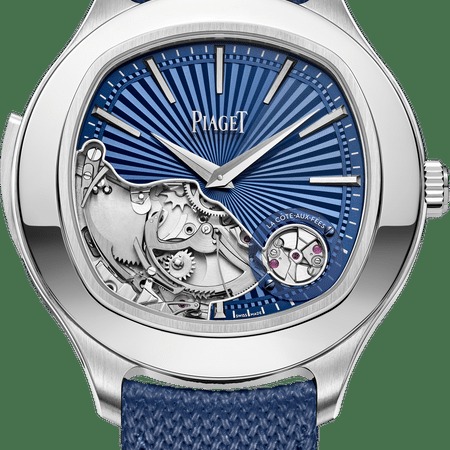
In the world of timepieces, few elements spark as much passion and curiosity as the movement that powers them. Whether you are a seasoned collector or someone dipping their toes into the fascinating realm of horology, understanding the differences between automatic, manual, and quartz movements can transform how you appreciate a watch.
These mechanisms are the heart of every wristwatch, dictating not just accuracy but also the craftsmanship, maintenance, and even the emotional connection you feel when glancing at the dial.
This guide dives deep into each type, exploring their inner workings, strengths, and quirks. We will compare them side by side, weigh their pros and cons, and offer practical advice on choosing the right one for your lifestyle. By the end, you will have the knowledge to make informed decisions, whether you are hunting for an heirloom piece or a reliable daily wearer. Let us turn back the hands of time and uncover what makes these movements tick.
Introduction to Watch Movements
Watch movements, often simply called “calibers,” refer to the intricate assembly of gears, springs, and components that keep a timepiece running smoothly. They come in three primary categories: manual, automatic, and quartz. Each has evolved over centuries, reflecting advances in technology and shifts in consumer preferences.
The manual movement traces its roots to the earliest mechanical watches of the 16th century, relying on human intervention to stay alive. Automatic movements built on this foundation in the early 20th century, introducing self-winding ingenuity that mirrored the active lifestyles of modern wearers. Quartz, the newcomer from the late 1960s, revolutionized the industry with electronic precision, sparking what some call the “quartz crisis” that nearly toppled traditional Swiss watchmaking.
Today, these movements coexist, catering to diverse tastes. Enthusiasts cherish the artistry of mechanical options, while pragmatists favor quartz for its no-fuss reliability. As you explore further, remember that the choice often boils down to what you value most: tradition, convenience, or unyielding accuracy.
Exploring Manual Watch Movements
Manual movements, also known as hand-wound, represent the purest form of mechanical watchmaking. At their core, they operate on a simple principle: a mainspring stores energy when wound by hand, releasing it gradually through a series of gears to drive the hands.
To wind a manual watch, you twist the crown, usually located at the three o’clock position, in a clockwise direction. This tightens the mainspring, which can hold power for 24 to 72 hours depending on the design. Once fully wound, the watch runs until the spring unwinds, at which point it stops. You must repeat the process daily or every few days to keep it going.
What sets manual movements apart is their unadorned elegance. Without the added complexity of self-winding parts, they tend to be slimmer and more refined, allowing watchmakers to focus on finishing techniques like Geneva stripes or perlage on the bridges and plates. Brands like A. Lange & Söhne and Patek Philippe exemplify this with their high-end calibers, where every component is hand-assembled and decorated.
Accuracy in manual watches hovers around plus or minus 20 to 30 seconds per day, influenced by factors like temperature, position, and even magnetism. While not as precise as modern alternatives, this variability adds character, much like the subtle imperfections in a handmade painting. For collectors, the ritual of winding becomes a meditative act, a daily reminder of the watch’s heritage.
However, manual movements demand commitment. Forget to wind, and your timepiece becomes a beautiful paperweight. They also require regular servicing every three to five years to maintain optimal performance, as oils dry out and tiny pivots wear from friction.
In essence, choosing a manual movement means embracing tradition. It suits those who view their watch as more than a tool, but as a piece of living history on the wrist.
The Ingenuity of Automatic Watch Movements
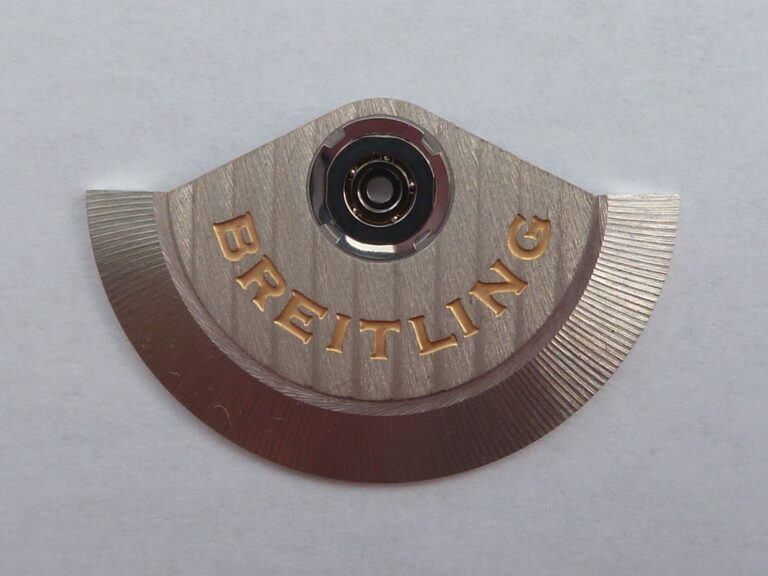
Automatic movements take the manual concept and automate it, harnessing the natural motion of your wrist to keep the mainspring wound. Invented in the 1920s and popularized by Rolex in the 1930s, they feature a semicircular rotor, a heavy metal weight that spins freely with every swing of your arm.
As you move, the rotor rotates bidirectionally or unidirectionally, depending on the design, transferring energy to the mainspring via a series of gears. This self-winding mechanism ensures the watch stays powered as long as you wear it regularly, typically offering a power reserve of 38 to 80 hours when fully wound. If left stationary, it will eventually stop, but a quick shake or manual wind revives it.
One hallmark of automatics is their engineering prowess. The rotor, often made of tungsten or gold for better weight distribution, sits above the movement, visible through exhibition case backs in many models. Complications like date windows or chronographs integrate seamlessly, showcasing the versatility of these calibers. Omega’s Co-Axial escapement, for instance, reduces friction for better longevity and accuracy.
In terms of precision, automatics perform similarly to manuals, with deviations of 15 to 25 seconds daily. Certified chronometers, like those from the COSC, tighten this to minus four plus six seconds per day. The sweeping second hand, driven continuously rather than ticking, gives a hypnotic smoothness that quartz cannot replicate.
Yet, automatics are not without trade-offs. Their added components make them thicker and heavier than manuals, which might feel cumbersome on smaller wrists. They also generate more wear on internal parts due to constant motion, necessitating servicing every four to six years. For active individuals, though, this is a small price for the convenience of a watch that “watches” over itself.
Automatic movements appeal to those who want mechanical soul with minimal effort. They bridge the gap between heritage and modernity, making them a staple in collections worldwide.
Decoding Quartz Watch Movements
Quartz movements burst onto the scene in 1969 when Seiko unveiled the world’s first quartz watch, the Astron. Unlike their mechanical counterparts, quartz relies on electronic wizardry rather than springs and gears. A battery sends electricity through a quartz crystal, which vibrates at a precise 32,768 times per second, regulating the time with laser-like accuracy.
The circuit board processes these vibrations, stepping down the frequency to drive a stepper motor that advances the hands in discrete ticks. Solar-powered variants, like those from Citizen Eco-Drive, recharge via light, eliminating battery swaps altogether. Power reserves stretch from months to years, depending on usage.
Accuracy defines quartz: most models lose or gain just a few seconds per month, far surpassing mechanical options. This reliability stems from the crystal’s consistent oscillation, unaffected by gravity or position. Features like perpetual calendars or world time zones integrate effortlessly, often at a fraction of the cost.
Brands such as Casio and Timex dominate the affordable end, while luxury houses like Grand Seiko offer high-end quartz with finishing rivaling mechanicals. The movement’s slim profile enables ultra-thin designs, perfect for dress watches or smart hybrids.
On the flip side, quartz lacks the tactile charm of mechanics. The ticking second hand and battery dependency can feel soulless to purists. Though durable, the electronics may fail after a decade, requiring module replacement rather than full overhauls.
Quartz shines for everyday reliability. It powers the masses, democratizing precision timekeeping without the fuss.
Key Differences Between the Movements
To truly grasp these movements, a direct comparison helps. Let us break it down across several dimensions.
First, power source: Manuals draw from manual winding, automatics from wrist kinetic energy, and quartz from batteries or light. This fundamentally shapes their operation.
Size and weight follow suit. Manuals are the slimmest and lightest, followed by quartz, with automatics bulkiest due to the rotor.
Accuracy tells a stark story. Quartz leads with seconds-per-month precision, while manuals and automatics trail at seconds-per-day.
Maintenance varies too. Quartz needs a battery change every 1 to 3 years, but no lubrication. Mechanics demand professional servicing every 3 to 6 years to clean and oil components.
Cost reflects complexity. Entry-level quartz starts under $50, manuals around $200, and automatics from $500 upward. Luxury escalates dramatically across all.
Finally, aesthetics: Mechanics offer sweeping seconds and visible artistry through sapphire backs. Quartz ticks methodically, prioritizing function over form.
These distinctions highlight how each movement serves unique needs, from collector’s pride to boardroom dependability.
Pros and Cons of Each Movement Type
No movement is perfect, so weighing advantages against drawbacks is crucial.
Starting with manuals: Pros include exceptional craftsmanship, slim profiles, and a personal winding ritual that fosters attachment. Cons? The need for daily attention and potential for over-winding if not careful.
Automatics boast self-sufficiency and the thrill of mechanical motion, plus higher power reserves for weekend warriors. Drawbacks involve bulkier builds, sensitivity to inactivity, and higher servicing costs.
Quartz excels in affordability, pinpoint accuracy, and low upkeep, making it ideal for active lifestyles. Yet, it misses the emotional depth of mechanics and may depreciate faster in resale value.
Ultimately, your priorities dictate the winner. If heritage calls, go mechanical. For hassle-free time, quartz delivers.
How to Choose the Right Watch Movement
Selecting a movement starts with self-reflection. Consider your daily routine: Desk-bound? A manual’s elegance fits. On the go? Automatics or quartz keep pace.
Budget plays a role too. Quartz opens doors to quality without breaking the bank. For investment potential, mechanicals hold value better over time.
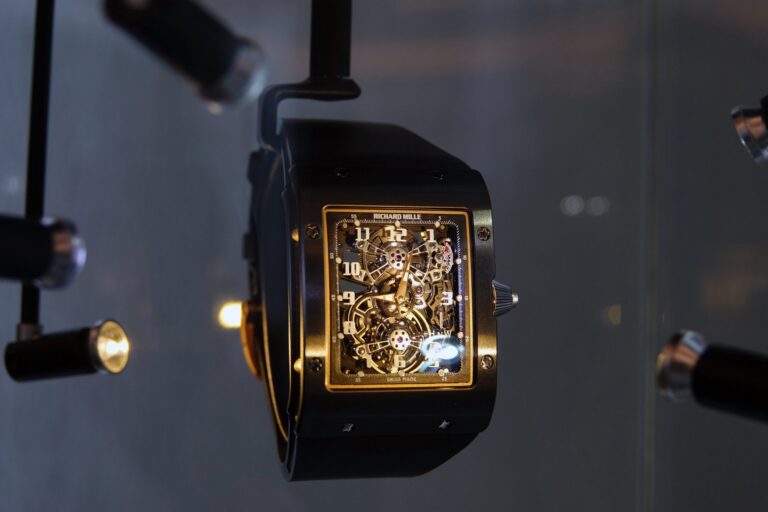
Think about complications. Need alarms or timers? Quartz handles them cheaply. Tourbillons? Stick to high-end mechanics.
Try before buying. Visit a jeweler to feel the weight, hear the sweep, and wind a manual. Online reviews and forums like Watchuseek offer real-user insights.
Remember, hybrids exist, like meca-quartz combining mechanical chronographs with quartz timing. The right choice enhances your wrist game without regret.
Maintenance Tips for Longevity
Proper care extends any movement’s life. For manuals and automatics, store in a watch winder if not worn daily to mimic wrist motion. Avoid magnets from phones or speakers, which disrupt balance wheels.
Service mechanics promptly: Yellowing lubricants signal time for a pro tune-up. Quartz? Swap batteries in clean environments to prevent corrosion.
Across all, keep away from water unless rated, and polish cases gently. A well-maintained watch tells time and tales for generations.
The Future of Watch Movements
Innovation blurs lines. Smartwatches blend quartz electronics with mechanical aesthetics. Skeletonized automatics reveal more, while solar quartz pushes sustainability.Yet, classics endure. The debate rages on forums: Does precision trump poetry? As technology evolves, so does our appreciation for what came before.
Mechanical to Quartz
From the deliberate wind of manuals to the effortless spin of automatics and the silent hum of quartz, watch movements embody human ingenuity across eras. Each offers a window into horology’s soul, whether through artisanal detail, kinetic grace, or electronic exactitude.As you ponder your next purchase, let these insights guide you.
A great watch does more than track hours; it marks moments. Choose the movement that resonates with your story, and wear it with pride. Time waits for no one, but with the right caliber, you will always be right on it.