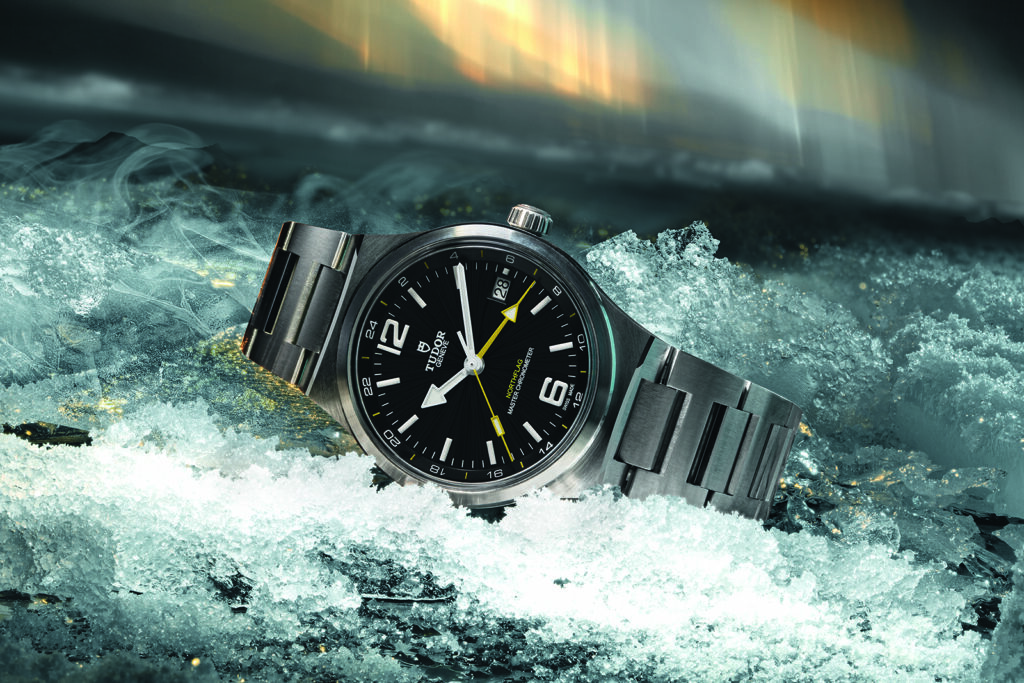
For many watch enthusiasts, the power reserve is more than just a function — it’s a window into the beating soul of the watch. Imagine slipping on your favorite watch for a weekend getaway, only to realize midway through that it has wound down to a standstill. That frustrating moment underscores the quiet importance of power reserve, a technical marvel that ensures your watch keeps ticking without constant intervention.
Whether you are a collector chasing vintage icons or someone simply seeking a reliable daily wearer, understanding power reserve unlocks a deeper appreciation for horology’s intricate balance of art and engineering.
This guide dives into the heart of what power reserve means, how it functions across different watch movements, and why it deserves a spot in your decision-making process when choosing a timepiece.
We will explore its mechanics, practical implications, and even spotlight some standout models that push the boundaries of this essential feature. By the end, you will not only grasp its role but also feel empowered to select watches that align with your lifestyle.
Defining Power Reserve in Horology
At its core, power reserve refers to the duration a watch can operate on a single full wind or charge before it stops. Think of it as the battery life of a mechanical device, though far more elegant and devoid of chemical reactions. In mechanical watches, this reserve stems from the stored energy in the mainspring, a coiled strip of metal that unwinds gradually to drive the gears and escapement. A typical automatic watch might boast a 40 to 50 hour power reserve, meaning it can run for about two days without wearing it.
Quartz watches, powered by a battery that sends electrical pulses through a crystal oscillator, handle power reserve differently. Here, the term often translates to battery life, which can stretch from one to five years depending on the model and usage. Hybrid movements, like those in some modern smartwatches, blend these concepts, offering extended reserves through efficient energy harvesting from wrist motion.
What makes power reserve fascinating is its evolution. Early pocket watches from the 16th century had minimal reserves, often requiring daily winding. Today, advancements in materials and design have stretched reserves to over a month in high-end pieces, transforming watches from fragile necessities into reliable companions. This metric is not just a number on a spec sheet; it reflects a watchmaker’s mastery over energy efficiency and durability.
How Power Reserve Functions in Mechanical Watches
Mechanical watches rely on a symphony of components to manage power reserve, with the mainspring at center stage. Housed within the barrel, this spring tightens as you wind the crown manually or as the rotor spins with your arm movements in automatics. The tension builds potential energy, released in controlled bursts by the escapement to advance the hands second by second.
The length of the power reserve hinges on several factors within this system. The barrel’s size and the mainspring’s thickness play key roles; thicker springs store more energy but may deliver it less evenly. Innovations like the Geneva strip, a ribbed design inside the barrel, help maintain consistent torque throughout the unwind, preventing the watch from running fast or slow as the reserve depletes.
In high-complication watches, such as tourbillons or perpetual calendars, power reserve demands even more precision. These extras consume additional energy, so watchmakers often incorporate multiple barrels in series or parallel to extend runtime. For instance, a dual-barrel setup can double the reserve while smoothing out power delivery, ensuring the intricate modules receive steady input.
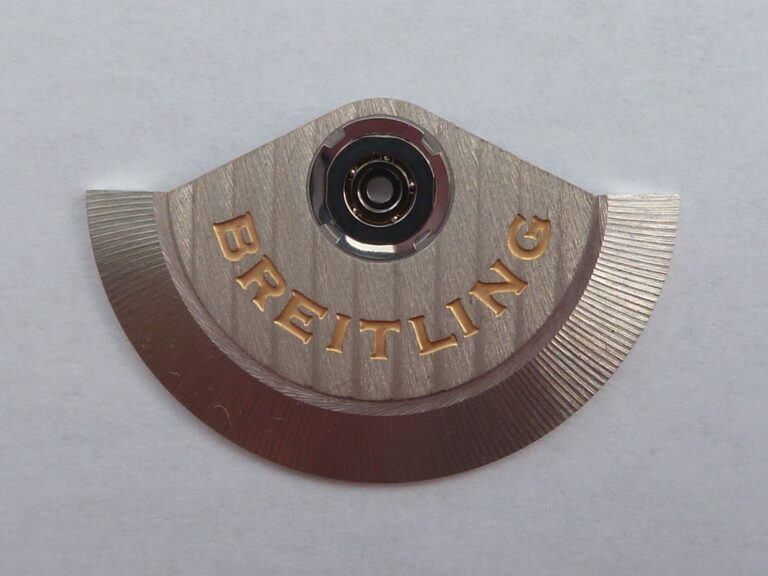
Automatic movements add another layer of ingenuity. The rotor, a half-moon weighted piece, pivots freely to wind the mainspring bidirectionally in modern designs. However, if left unworn, the reserve drains just like in manual versions. This is where the indicator comes in, a small window or subdial that visually tracks remaining hours, often with a hand sweeping across a scale marked from full to empty.
Power Reserve in Quartz and Electronic Watches
While mechanical purists may wax poetic about springs and rotors, quartz watches offer a pragmatic take on power reserve that prioritizes longevity over romance. A tiny silver-oxide battery powers the quartz crystal, vibrating at 32,768 Hertz to regulate time with atomic precision. The reserve here is straightforward: battery lifespan, typically quoted in years rather than hours.
Factors like backlight usage, alarm functions, or perpetual calendar adjustments can shorten this period. Eco-drive models from brands like Citizen take it further, using light-sensitive cells to convert solar or artificial light into electricity, stored in a rechargeable cell that can last up to 20 years without replacement. This eliminates the need for battery swaps, making it ideal for adventurers who might not have easy access to tools.
Electronic hybrids, blending quartz accuracy with mechanical aesthetics, are gaining traction. The Seiko Kinetic line, for example, generates electricity from kinetic energy during wear, storing it in a capacitor for reserves up to six months. These watches bridge worlds, offering the sweep-second hand of mechanics with the reliability of electronics.
Despite their efficiency, quartz reserves are less about daily interaction and more about set-it-and-forget-it convenience. This appeals to professionals who value accuracy over the ritual of winding, yet it lacks the tactile feedback that draws many to traditional horology.
Why Power Reserve Truly Matters for Watch Enthusiasts
Power reserve is more than a convenience; it is a litmus test for a watch’s overall quality and suitability. A generous reserve means less frequent winding, reducing wear on the crown and mainspring over time. For travelers crossing time zones, it ensures the watch stays synchronized without immediate resets upon return.
From a collector’s perspective, extended reserves highlight innovation. Watches with 100-plus hour reserves often command premium prices, signaling superior engineering. They also enhance user experience; no one wants to baby a timepiece that demands constant attention. In daily life, a robust reserve supports desk divers who remove their watch at night, keeping it running through the workweek.
Moreover, power reserve influences aesthetics. Indicators add visual intrigue, turning a functional element into a design flourish. A linear display might arc gracefully across the dial, while a digital readout suits minimalist cases. This integration elevates the watch from tool to talisman.
Consider the environmental angle too. Longer reserves in solar or kinetic models reduce waste from disposable batteries, aligning with sustainable practices in an industry increasingly mindful of its footprint. Ultimately, prioritizing power reserve helps you choose a watch that fits your rhythm, whether that is high-octane pursuits or quiet evenings.
Reading and Interpreting Power Reserve Indicators
Spotting a power reserve indicator is straightforward once you know what to look for. Most appear as a subdial at 6 or 12 o’clock, with a needle pointing to hours remaining. Full wind might read 72 hours, dropping as energy wanes. Some use a differential style, where two hands show elapsed versus total time, offering a quick glance at depletion rate.
Linear indicators, popular in dress watches, resemble fuel gauges with a sliding marker. Digital versions in smart hybrids display exact hours via LCD. To read them accurately, note the scale’s increments; a 50-hour reserve might tick down in 5-hour steps for clarity.
Interpreting goes beyond numbers. If the indicator hovers near empty, the watch may lose amplitude, leading to minor inaccuracies. Regular checks prevent surprises, especially in low-activity periods. Apps tied to connected watches even send alerts, though traditionalists prefer the analog charm.
Mastering this feature sharpens your horological intuition, turning passive ownership into active engagement.
Factors That Influence Power Reserve Duration
Several variables dictate how long a watch’s power reserve lasts, starting with movement caliber. ETA’s 2824, a workhorse in many mid-range watches, delivers 38 hours standard, while upgraded versions push to 42. High-end calibers like the IWC 52010 achieve 168 hours through optimized gearing.
Lubrication quality matters immensely. Synthetic oils reduce friction, extending reserve by minimizing energy loss. Temperature extremes can thicken lubricants, shortening runtime, so store watches in stable environments.
Usage patterns play a role too. Aggressive shaking winds automatics faster but drains quicker if overzealous. Complications like chronographs sap power when engaged, so disengage them post-use.
Material choices elevate performance. Silicon escapements resist magnetism and wear, preserving efficiency. Larger cases accommodate bigger barrels for more storage, though slim profiles demand clever miniaturization.
By understanding these influences, owners can optimize their watches, from selecting anti-magnetic alloys to scheduling services every five years.
Iconic Watches Boasting Exceptional Power Reserves
The market brims with timepieces that redefine power reserve limits, each a testament to brand heritage. Zenith’s Elite 6150 offers 50 hours in a slim automatic, blending elegance with endurance for under $10,000.
For luxury seekers, Audemars Piguet’s Royal Oak Offshore Diver hits 100 hours via a robust self-winding movement, its black ceramic case ideal for deep-sea dives. Omega’s Seamaster 300M, with 55 hours, powers James Bond’s adventures, its co-axial escapement ensuring precision under pressure.
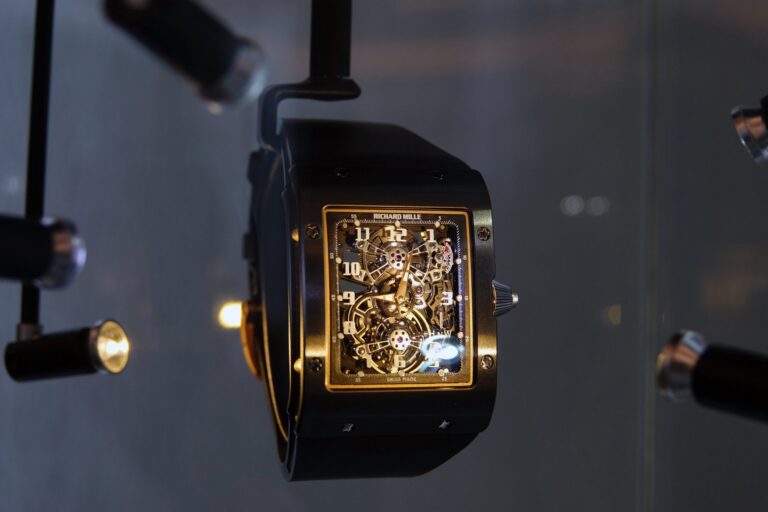
Pushing extremes, Blancpain’s Fifty Fathoms Bathyscaphe boasts 120 hours, thanks to dual barrels in a titanium frame. At the pinnacle, Richard Mille’s RM 27-02 Tourbillon Rafael Nadal skeletonizes the dial while delivering 55 hours, a feat in ultra-light construction.
These icons not only showcase technical prowess but inspire collectors to chase the thrill of innovation.
Practical Tips for Maximizing Your Watch’s Power Reserve
Maintaining a healthy power reserve starts with routine care. Wind manual watches fully each morning, turning the crown 20 to 30 times clockwise until resistance builds. Automatics thrive on daily wear; a full day on the wrist typically suffices for overnight reserve.
Store unused watches on a winder, set to bidirectional rotation at 650 turns per day to mimic natural motion without overwinding. Avoid extreme positions; flat on a cushion preserves lubrication flow.
Regular servicing uncovers issues like dried oils that erode reserve. Opt for authorized centers to retain warranty value. For quartz, track battery expiry dates and replace promptly to avoid corrosion.
Lifestyle tweaks help too. Remove the watch during intense sports to prevent shocks, and keep it away from magnets in speakers or phones. These habits extend not just reserve but the watch’s lifespan, turning it into a heirloom.
The Future of Power Reserve Innovations
Looking ahead, power reserve continues to evolve with horology’s forward march. Micro-rotor designs shrink automatics for slimmer profiles without sacrificing hours. Energy-harvesting tech, drawing from body heat or ambient motion, promises indefinite reserves in prototypes.
Sustainable materials like recycled alloys reduce weight, boosting efficiency. Smart integrations, with haptic reminders for low reserve, blend tradition and tech seamlessly.
As these advancements unfold, power reserve remains a cornerstone, reminding us that the best watches balance past craftsmanship with future foresight.
In wrapping up, power reserve is the unsung hero of every tick and tock, bridging utility and artistry in ways that captivate the soul. Whether you are drawn to the poetry of mechanics or the precision of quartz, honoring this feature enriches your journey through time. Next time you admire a watch’s gleam, glance at that indicator, it holds the story of endurance waiting to be told.