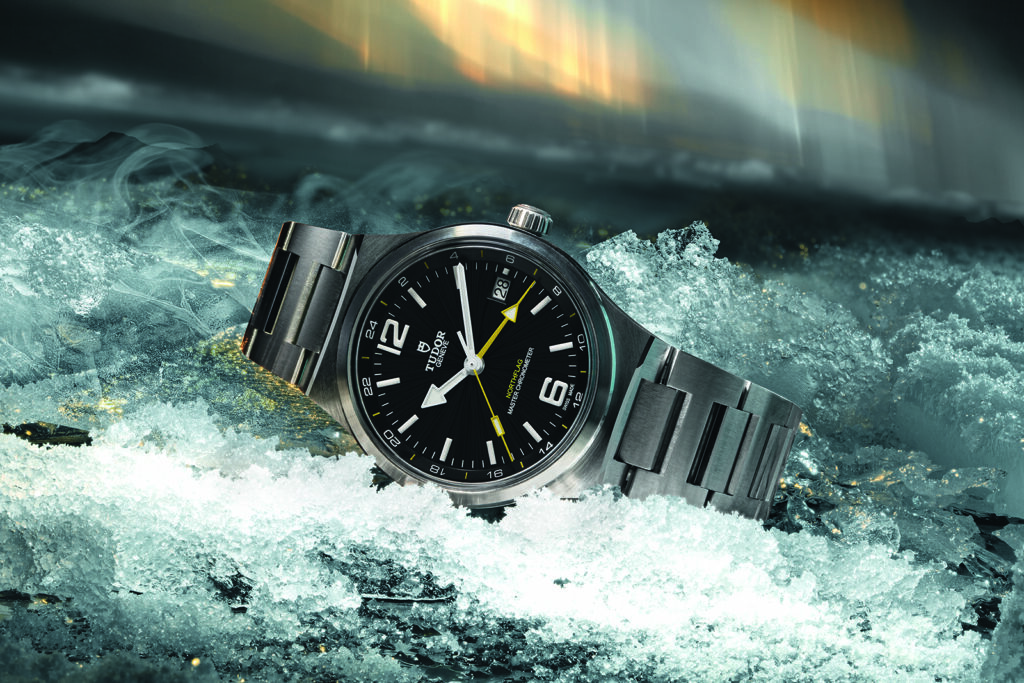
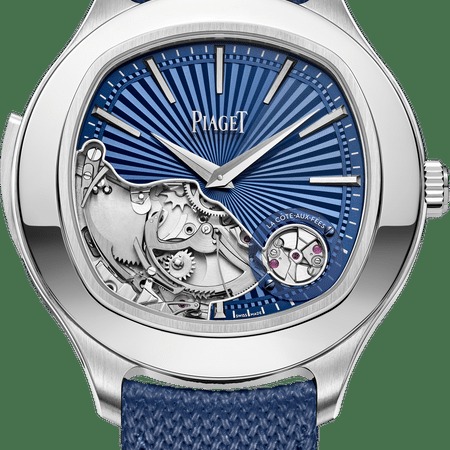
In the intricate realm of horology, where timepieces are more than mere instruments for tracking hours, the term “complication” evokes a sense of wonder and technical mastery. For enthusiasts and newcomers alike, complications represent the pinnacle of watchmaking artistry.
These are not flaws or errors in a watch’s mechanism but rather sophisticated additions that go beyond the basic display of hours, minutes, and seconds. They transform a simple timekeeper into a multifaceted marvel, blending precision engineering with aesthetic elegance.
Imagine holding a pocket watch from the 18th century, its enamel dial whispering secrets of the lunar cycle or chiming the hour on demand. Today, modern wristwatches carry this legacy forward, packing centuries of innovation into a compact case. Complications have captivated collectors, historians, and engineers for generations, turning horology into a field where science meets sculpture.
This article delves deep into the essence of complications, exploring their history, varieties, creation process, and enduring allure. Whether you are a seasoned aficionado or just dipping your toes into the world of luxury timepieces, understanding complications unlocks a richer appreciation for the craft that defines high-end watchmaking.
Defining Watch Complications
At its core, a complication in horology refers to any feature in a mechanical watch that extends functionality beyond the fundamental timekeeping elements. The “time only” watch, with its three hands for hours, minutes, and seconds, serves as the baseline. Anything added to this foundation qualifies as a complication, from a simple date window to elaborate astronomical displays.
The word “complication” derives from the French term “complication,” which in watchmaking parlance denotes an added gear train or mechanism that complicates the movement’s architecture. Each complication requires additional components, often hundreds of tiny wheels, jewels, and springs, all calibrated to interact seamlessly. This added complexity demands exceptional skill from the watchmaker, as even the slightest misalignment can disrupt the entire symphony of motion.
Why do complications matter? They elevate a watch from utilitarian tool to intellectual pursuit. A basic quartz watch might tell time accurately, but a mechanical piece with complications tells a story. It showcases the horologist’s ingenuity in solving problems like accounting for varying month lengths or simulating celestial movements. In essence, complications are the soul of haute horlogerie, the high art of watchmaking, where tradition and innovation collide.
A Journey Through the History of Complications
The story of complications begins in the shadowy workshops of Renaissance Europe, where early clockmakers experimented with gears to mimic the heavens. By the 16th century, Italian and German artisans crafted astronomical clocks that not only told time but also predicted eclipses and planetary positions. These were the precursors to modern complications, born from a human desire to conquer the mysteries of the cosmos through miniature machinery.
The 17th century marked a turning point with the advent of the balance spring, invented by Christiaan Huygens in 1675. This breakthrough allowed for more compact and accurate movements, paving the way for pocket watches adorned with complications. Marine chronometers, developed by John Harrison in the 18th century to solve the longitude problem at sea, incorporated early forms of chronographs and repeating mechanisms. These were not luxuries but necessities for navigation, proving that complications could serve practical ends.
The 19th century ushered in the golden age of complications as industrialization enabled finer tools and materials. Abraham-Louis Breguet, a Swiss master, revolutionized the field with inventions like the tourbillon in 1801, designed to counteract gravity’s effects on accuracy. Breguet’s work influenced houses like Patek Philippe, founded in 1839, which became synonymous with perpetual calendars and minute repeaters. The transition to wristwatches during World War I further miniaturized these features, making them wearable wonders.
In the 20th century, complications evolved with aviation and exploration. Pilots needed chronographs for timing flights, while divers required water-resistant calendars. Post-war, as luxury watchmaking rebounded, brands like Audemars Piguet and Rolex pushed boundaries with perpetual calendars that automatically adjust for leap years. Today, in the digital age, mechanical complications stand as a defiant celebration of analog craftsmanship, with modern twists like silicon escapements enhancing precision without sacrificing tradition.
Exploring the Diverse Types of Complications
Complications come in a dazzling array, each serving a unique purpose and demanding distinct engineering prowess. They can be broadly categorized into calendar, timing, astronomical, and acoustic varieties, with endless hybrids possible.
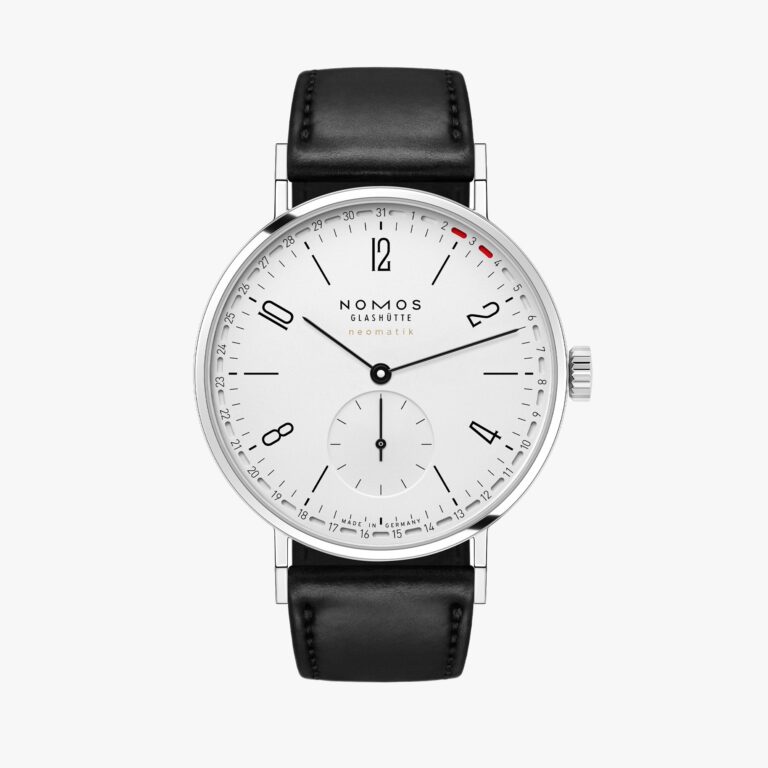
Calendar complications form the most accessible entry point. The simple date complication adds a window at three o’clock, advancing the numeral each midnight via a pinion linked to the hour wheel. More advanced is the complete calendar, which tracks day, date, and month, often in sub-dials.
The pinnacle here is the perpetual calendar, a feat of logic that accounts for 30- or 31-day months and skips February 29 in non-leap years. This mechanism uses a 48-month cam wheel to orchestrate the dance of indicators, ensuring accuracy until the year 2100 without manual adjustment.
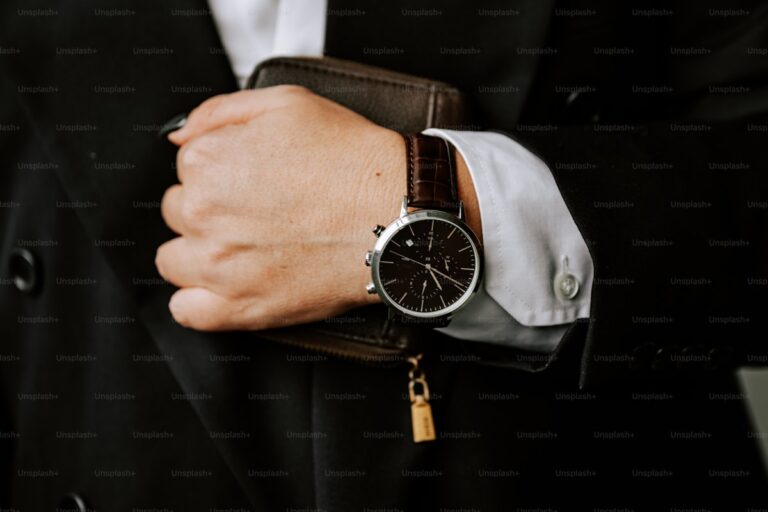
Timing complications, epitomized by the chronograph, allow for stopwatch functionality. Introduced in the 1820s, it features pushers to start, stop, and reset extra hands over the main dial. Flyback chronographs, a pilot’s favorite, reset and restart with one pusher, saving precious seconds. Split-seconds chronographs add dual hands for timing multiple events simultaneously, as seen in racing chronos from TAG Heuer.
Astronomical complications evoke the stars. Moonphase displays replicate the lunar cycle on a disc with a painted orb, advancing via a 59-tooth gear for near-perfect 29.5-day accuracy. Equation of time complications show the discrepancy between solar and mean time, a nod to sundial heritage. Sidereal time and star maps appear in ultra-rare pieces like the Vacheron Constantin Celestial, which maps the night sky over Geneva.
Acoustic complications deliver sound. Minute repeaters chime hours, quarters, and minutes on demand via gongs struck by hammers, a tradition dating to the 1600s for gentlemen in the dark. Cathedral gongs, longer and richer in tone, distinguish top-tier examples. World timers, with 24-hour bezels and city discs, cater to globetrotters, while GMT functions add a second hour hand for dual zones.
Beyond these, niche complications abound: power reserve indicators gauge winding levels, tourbillons rotate the escapement to average out positional errors, and perpetual moonphases track tidal data. Each type not only enhances utility but also serves as a canvas for decorative flourishes like guilloche engraving or hand-painted motifs.
The Art and Science of Crafting Complications
Creating a complication is akin to composing a symphony, where every note must harmonize. Watchmakers begin with the base movement, often an in-house caliber like ETA’s or a bespoke ébauche from Lemania. Designing the complication involves meticulous blueprinting, using CAD software for virtual simulations before prototyping in brass or steel.
Material selection is crucial. Jewels, synthetic rubies, reduce friction in pivots, while alloys like nickel silver provide durability. Assembly occurs under microscopes in clean rooms, with tools no larger than tweezers. A perpetual calendar, for instance, might add 150 parts to a 100-part base movement, requiring weeks of hand-fitting. Testing follows: each complication undergoes regulation on timing machines, positional accuracy checks, and environmental stress tests in chambers mimicking altitudes or temperatures.
Decoration elevates the craft. Movements are hand-finished with côtes de Genève stripes, perlage dotting, or anglage beveling edges. Complications often hide in plain sight, visible through sapphire casebacks, revealing the intricate ballet of wheels. Sustainability enters the picture too, with ethical sourcing of gold and recycled metals in brands like Omega.
Challenges abound. Space constraints in slim cases demand creative stacking of gears, while power management ensures complications do not sap the mainspring’s energy. Innovations like co-axial escapements from George Daniels have streamlined integration, making multi-complication “grandes” feasible in wristwatch form.
Iconic Watches That Showcase Complications
No discussion of complications is complete without spotlighting legendary timepieces. Patek Philippe’s Calatrava Reference 5227, with its officer-style caseback, pairs a guilloche dial with a complete calendar, embodying understated elegance since 1932.
For chronograph lovers, the Omega Speedmaster Professional, the “Moonwatch,” features a manual-wind chronograph that journeyed to the lunar surface in 1969. Its black dial and tachymeter bezel make it an icon of adventure.
Audemars Piguet’s Royal Oak Offshore Chronograph offers a sporty take, with pushers echoing the octagonal bezel and a flyback function for high-octane pursuits. Priced over $30,000, it blends steel robustness with 4302-caliber power.
Vacheron Constantin’s Patrimony Perpetual Calendar Ultra-Thin houses a 98-part perpetual calendar in a 7.2mm-thick case, a testament to minimalist maximalism. At around $80,000, it appeals to those valuing discretion in complexity.
Rolex’s Sky-Dweller introduces a ring-command bezel to set its annual calendar and GMT functions, simplifying operation for jet-setters. Launched in 2012, it retails near $15,000, proving complications need not break the bank.
These exemplars illustrate how complications span budgets and styles, from vintage-inspired to avant-garde.
The Enduring Appeal of Complications in Modern Horology
In an era dominated by smartwatches with apps and notifications, why do mechanical complications persist? They offer tangibility, a counterpoint to digital ephemerality. Owning a complicated watch connects one to a lineage of artisans, from Breguet to today’s independent makers like Kari Voutilainen.
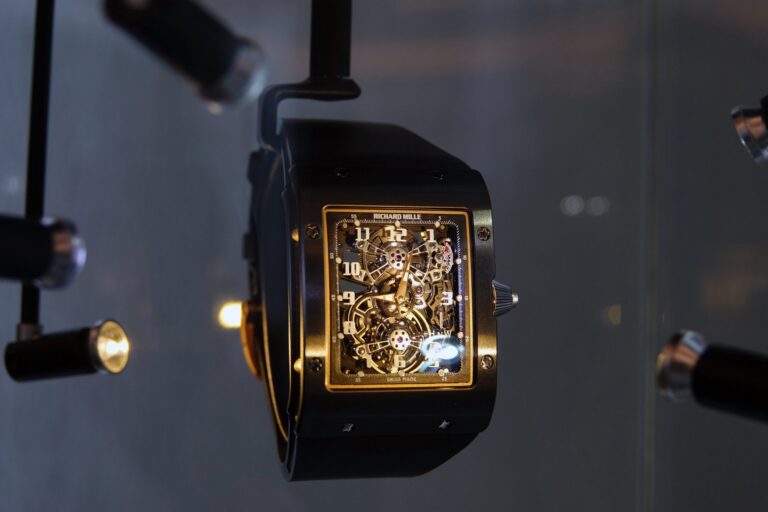
Complications signify status subtly. A minute repeater is not flaunted but savored in quiet moments, its chimes a private concert. They drive innovation too, with research into nanomaterials promising lighter, more efficient mechanisms. Collectibility thrives, as limited editions like Richard Mille’s tourbillon RM 27-02 for Rafael Nadal fetch millions at auction.
Yet, accessibility grows. Brands like Longines offer affordable chronographs under $3,000, democratizing the joy. Women-specific complications, with jewelry integrations, expand the audience. Ultimately, complications remind us that time is not linear but layered, much like life itself.
Embracing the Complexity
Watch complications are more than mechanical add-ons; they are portals to horology’s poetic heart. From humble date wheels to symphonic repeaters, each embodies human ambition to measure not just moments but the grandeur of existence. As you next glance at your wrist, consider the hidden universe ticking away. Dive deeper into this world, and you might find time bending to your curiosity.