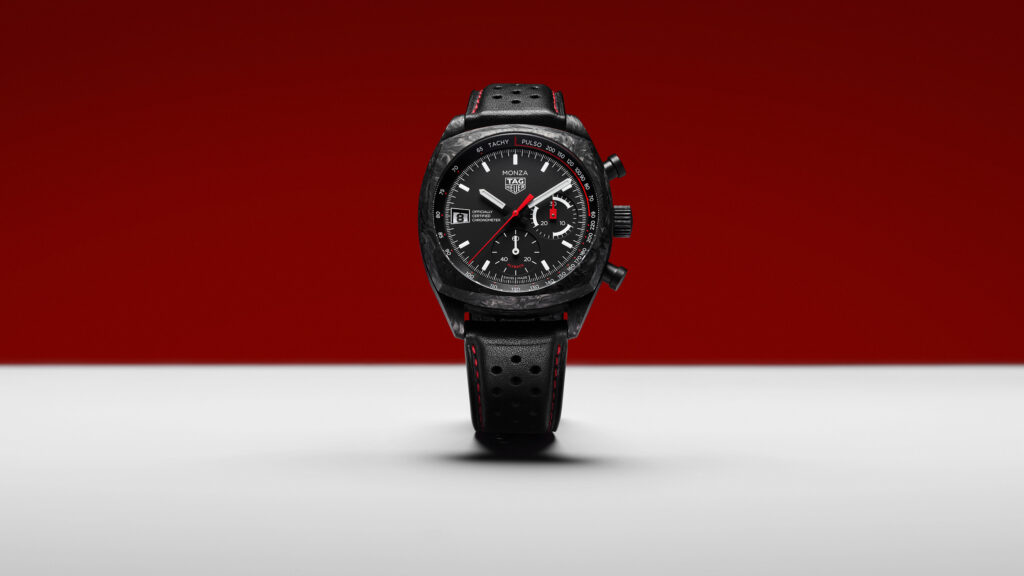
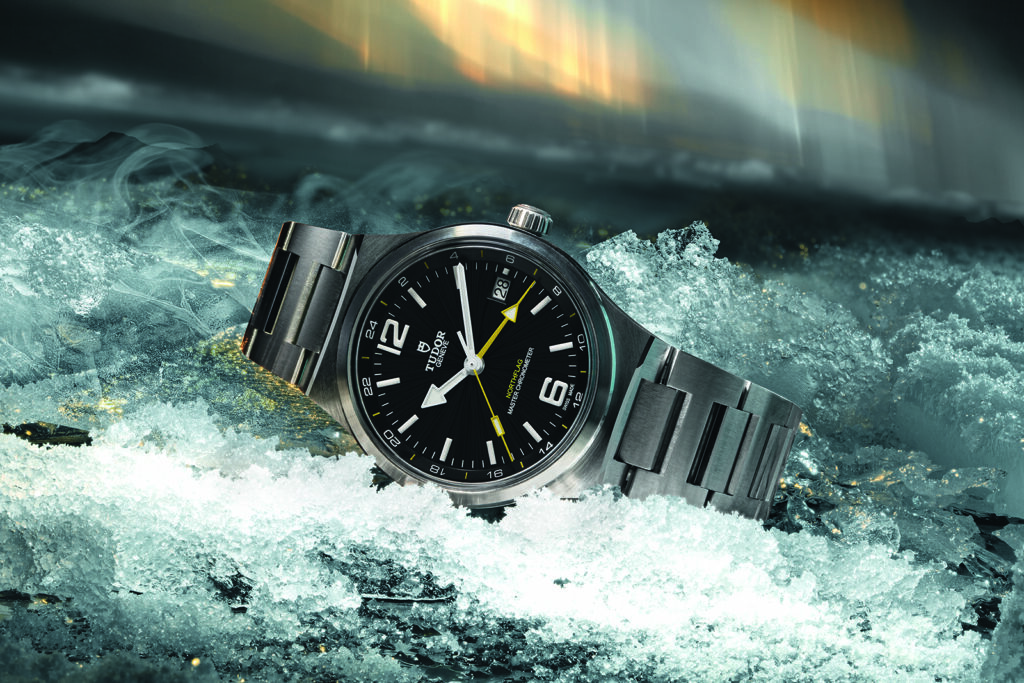
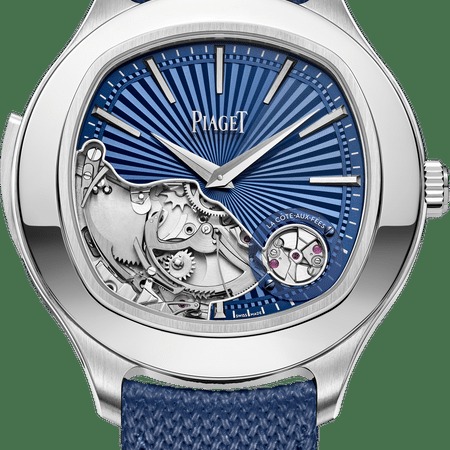
In the world of horology, few complications capture the imagination quite like the chronograph. Whether you’re a seasoned collector or simply someone who appreciates the artistry of a well-crafted timepiece, chronographs stand out for their blend of functionality and elegance. But what exactly makes a chronograph so special? Let’s dive into this fascinating realm, exploring its origins, mechanics, and enduring appeal.
What Is a Chronograph?
At its core, a chronograph is a watch equipped with a stopwatch function, allowing the wearer to measure elapsed time with remarkable precision. Unlike a standard timepiece that simply tells the hour, a chronograph adds layers of utility, enabling users to time events down to the second. It’s a tool for the meticulous, whether tracking a sprint or a simmering pot on the stove.
A common mix-up arises between chronographs and chronometers. While the terms sound similar, they serve distinct purposes. A chronometer is a watch certified for exceptional accuracy, often tested by organizations like COSC to ensure it keeps time within tight tolerances—typically no more than a few seconds deviation per day.
In contrast, a chronograph focuses on timing intervals rather than overall timekeeping reliability. The word “chronograph” itself draws from ancient Greek roots: chronos, meaning time, and graph, referring to writing or recording. Thus, it’s literally a “time writer,” a poetic nod to its role in capturing fleeting moments.
A Brief History of the Chronograph
The chronograph’s story begins in the early 19th century, born from a need for precision in high-stakes arenas like horse racing. In 1821, French watchmaker Nicolas Rieussec unveiled the first patented chronograph, a device with ink-filled dials that stamped race times onto paper discs. It was ingenious but messy—hardly the elegant wrist companion we know today.
Credit for the mechanical chronograph often goes to Louis Moinet, whose 1816 pocket watch featured a flyback mechanism for rapid timing resets. Rediscovered in the 21st century, Moinet’s creation is now hailed as the true pioneer of modern chronographs. The 20th century propelled the complication forward, evolving it from a niche scientific instrument into a lifestyle icon. Pilots, racers, and adventurers embraced it for its reliability under pressure.
A pivotal moment arrived in 1969, the dawn of the automatic chronograph era. That year saw the simultaneous launch of three groundbreaking movements: Zenith’s El Primero, a high-beat marvel running at 36,000 vibrations per hour; the shared Calibre 11 from Heuer, Breitling, and Hamilton; and Seiko’s 6139, a quartz-hybrid that democratized the technology. These innovations marked the shift from manual winding to self-powered precision, forever changing the watchmaking landscape.
Core Functions and How It Works
Operating a chronograph is straightforward yet satisfying, thanks to its intuitive pushers—those tactile buttons flanking the crown. Typically, the top pusher starts and stops the timing sequence, while the bottom resets it to zero. Press once to begin, again to pause, and a third time to clear the counters.
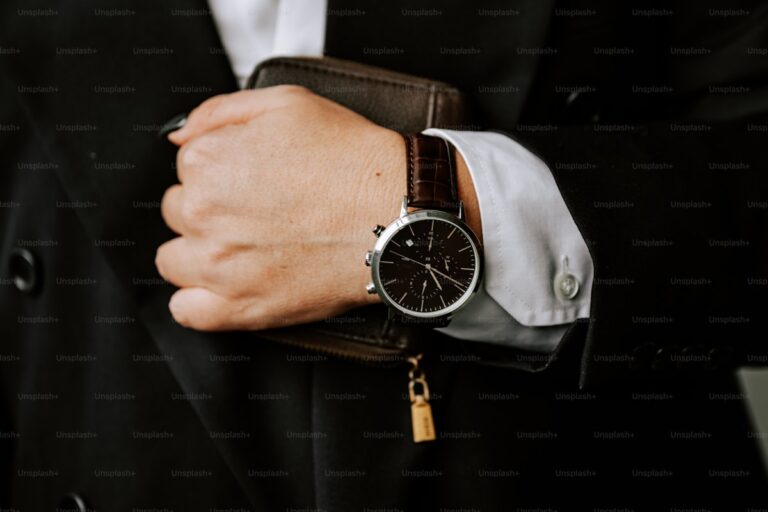
What sets it apart visually is the dedicated chronograph hand, a slender seconds pointer that sweeps independently of the main dial’s hour and minute hands. This allows continuous timekeeping even as you measure intervals. Surrounding it are sub-dials, or registers, that track cumulative data: a 30-minute counter for short bursts, a 12-hour register for longer events, and sometimes a small seconds sub-dial at six o’clock.
Chronographs come in two main flavors: mechanical and quartz. Mechanical versions rely on intricate gear trains and springs, offering a hypnotic sweep second hand and a sense of craftsmanship. Quartz models, powered by battery-driven crystals, provide quartz-level accuracy—often to within a second per month—but sacrifice some of that romantic ticking soul. Both deliver on performance, but the choice often boils down to whether you crave tradition or convenience.
Types of Chronographs
Not all chronographs are created equal; their designs cater to specific needs, from simplicity to sophistication. The simple chronograph sticks to the basics: start, stop, and reset via two pushers. It’s the entry point for most enthusiasts, reliable without overwhelming complexity.
For those demanding speed, the flyback chronograph shines. A single press resets and restarts the timer instantly—no need to stop first—ideal for pilots logging multiple checkpoints or chefs timing recipes in a frenzy.
Then there’s the split-seconds chronograph, or rattrapante, which uses two overlapping central hands to measure two events simultaneously. One hand tracks the primary interval, while the other “catches up” upon activation, perfect for comparing lap times in racing.
The monopusher streamlines operations with a single button handling all functions through sequential presses, blending elegance with efficiency in a sleeker case design.Beyond these, chronographs vary by power source: manual-wind for purists who enjoy the ritual of winding; automatic for everyday wearers who let wrist motion do the work; and quartz for unyielding accuracy on a budget.
Design and Dial Layout
Chronographs are as much about aesthetics as utility, with dials that tell stories through their layouts. Most feature two or three sub-dials, arranged in tricompax (triangular at 6, 9, and 12 o’clock) or bicompax (just 3 and 9) configurations, evoking a cockpit instrument panel.
Enhancing the dial are specialized scales etched along the bezel or chapter ring. A tachymeter scale calculates speed from time over a fixed distance—handy for motorists gauging velocity from a quarter-mile run. The telemeter estimates distance by measuring the delay between flash and sound, like gauging how far away lightning struck. And the pulsometer scale, with its graduated markings, quickly computes heart rate from a 30-beat count, a nod to medical professionals.
Pushers are classically positioned at 2 and 4 o’clock for ergonomic access, though some avant-garde models opt for crown-integrated or left-side placements to challenge conventions. The result? A dial that’s both a canvas for intricate guilloché patterns and a functional dashboard.
Real-World Applications of Chronographs
Far from mere ornaments, chronographs excel in demanding environments where timing is everything.In aviation, they became indispensable for pilots; Breitling’s Navitimer, with its slide-rule bezel, turns the watch into a flight computer for fuel calculations and conversions.
Motorsport legends swear by them too—the angular TAG Heuer Monaco powered Steve McQueen’s Le Mans character, while Omega’s Speedmaster has lapped circuits and moon craters alike.Even underwater, chronographs prove versatile: Seiko’s Prospex diver models integrate timing beads for safe decompression stops.
In daily life, they’re more than showpieces. A jogger times intervals, a parent tracks nap durations, or a professional logs meetings. Their practicality ensures they’re worn, not shelved.
Iconic Chronograph Models
Certain chronographs transcend time, etched into history through daring feats and cultural cachet.
- The Omega Speedmaster Moonwatch earned its moniker as the first watch worn on the moon during Apollo 11 in 1969, its manual chronograph proving resilient in zero gravity.
- Rolex Cosmograph Daytona, with its tachymeter bezel, embodies racing pedigree, worn by icons from Paul Newman to modern F1 stars—a status symbol as potent as its chronometric prowess.
- TAG Heuer’s Carrera draws from the grueling Carrera Panamericana rally, its clean lines suiting both track and boardroom.
- Zenith’s El Primero remains a benchmark for automatic chronographs, its high-frequency movement powering countless homages.
- Seiko’s 6139 “Pogue”, the automatic chronograph that orbited Earth with astronaut William Pogue in 1973, proving affordable innovation could reach the stars.
Maintenance and Buying Tips for Chronographs
Investing in a chronograph demands thoughtful consideration. Start with your priorities: a vintage-inspired design for flair, a robust automatic movement for longevity, or essential functions like water resistance for versatility. Budgets range from accessible quartz under $500 to six-figure mechanical masterpieces—aim for brands with strong service networks.
Mechanical chronographs require regular servicing every three to five years to lubricate gears and calibrate the chronograph module, a delicate operation best left to certified watchmakers. A quick tip: never press the pushers underwater unless it’s a rated diver model, as water can infiltrate the case and gum up the works.
Size matters too—chronographs often sport thicker cases (12-15mm) due to stacked movements, so try them on to ensure wrist comfort over a slim dress watch.
Chronographs in the Modern Era
Today, chronographs bridge tradition and innovation. Hybrid models like the TAG Heuer Connected fuse mechanical aesthetics with smart features—heart rate monitoring via the dial, notifications through subtle vibrations—without compromising heritage charm.
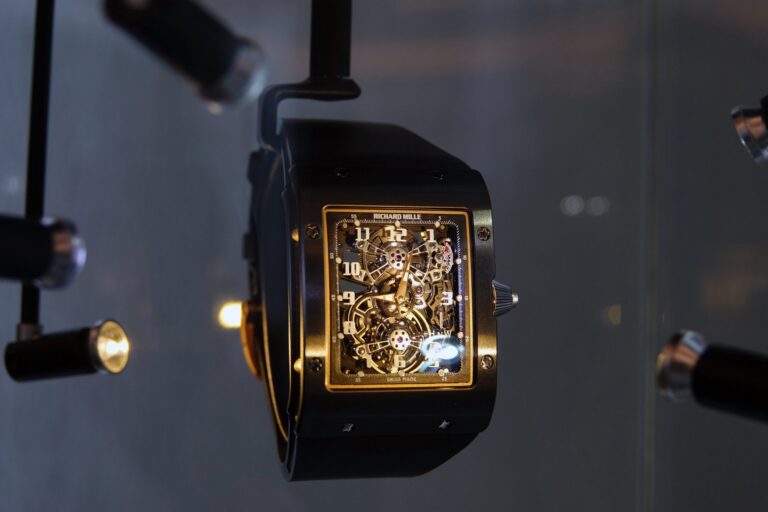
They symbolize horological mastery, where tiny escapements orchestrate symphonies of gears. Trends lean toward retro revivals, with brands reissuing ’60s and ’70s icons in vibrant colors and skeletonized dials that reveal the beating heart beneath.
Why Chronographs Remain Iconic
Ultimately, the chronograph’s allure lies in its perfect marriage of technical wizardry and visual poetry. It doesn’t just tell time; it measures life’s pulse—races won, heartbeats counted, distances conquered.
Embodying precision, velocity, and impeccable timing, it’s the ultimate choice for collectors and enthusiasts who see watches as more than accessories: they’re chapters in a personal story of adventure and appreciation. If you’re drawn to the rhythm of the world, a chronograph isn’t just a watch—it’s a companion for the moments that matter.