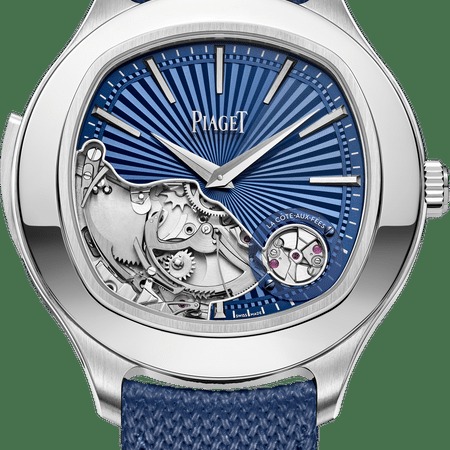
In the world of fine timepieces, few rituals feel as satisfying as turning the crown to wind a mechanical watch. That gentle click, the subtle build of tension, and the knowledge that you’re breathing life into a miniature marvel of engineering.
But what if you go too far? What if your enthusiasm leads to overwinding, that dreaded moment when the winding feels endless or the watch suddenly goes silent? It’s a question that haunts collectors and casual wearers alike, especially as vintage watches make a comeback in today’s market.
Overwinding isn’t just a theoretical worry. It strikes at the heart of how these delicate machines work, potentially turning a cherished heirloom into a costly repair. Yet, the reality is more nuanced than urban legends suggest. Modern watches come equipped with safeguards that make true overwinding rare, while older models demand a lighter touch.
In this deep dive, we’ll explore the mechanics behind winding, the real risks involved, and practical steps to keep your watch ticking smoothly. Whether you’re a first-time owner or a seasoned enthusiast, understanding overwinding can save you time, money, and heartache. Let’s turn back the hands of time and uncover the truth.
The Mechanics of Watch Winding
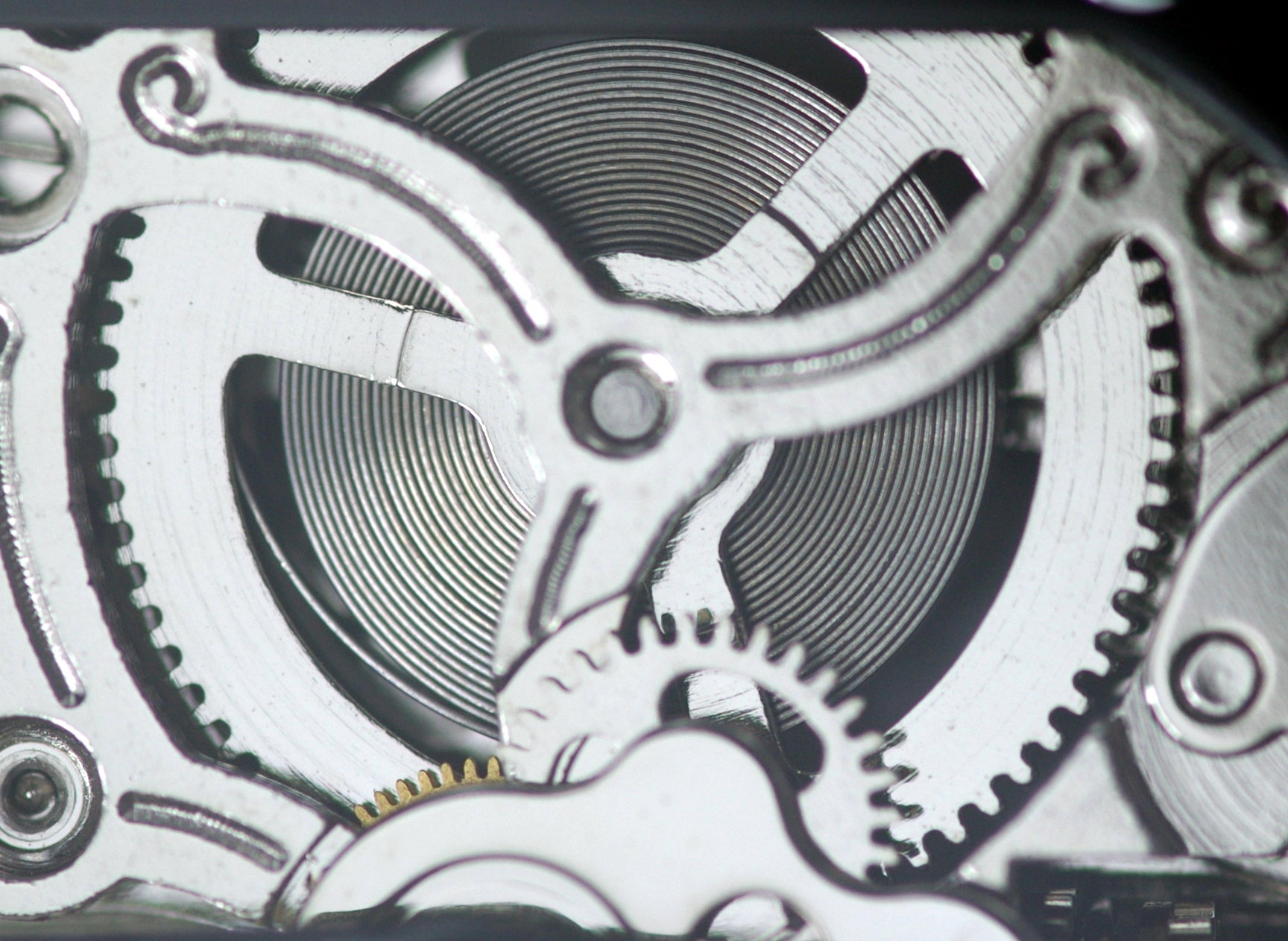
To grasp what happens during overwinding, you first need to understand the intricate dance inside your watch. At the core of every mechanical timepiece lies the mainspring, a coiled strip of metal that stores potential energy. When you wind the crown, you’re essentially twisting this spring tighter, converting your manual effort into the power that drives the gears, balance wheel, and escapement.
Picture it like this: the mainspring barrel is a small drum where the spring lives. As you turn the crown clockwise, a series of gears ratchets the barrel, layering tension onto the spring. In a well-designed movement, this process is limited by the spring’s natural capacity.
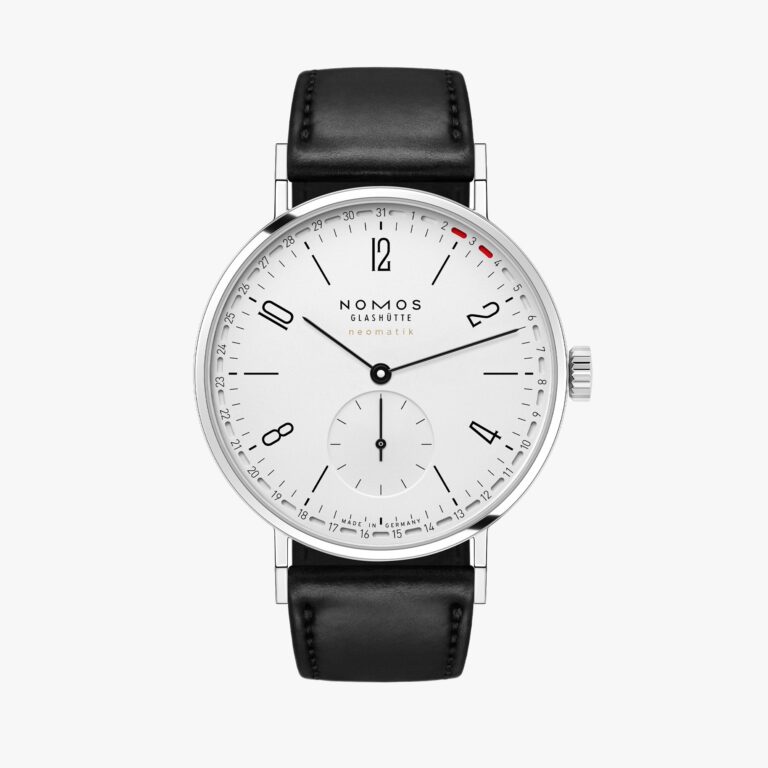
Once fully wound, the spring reaches its optimal torque, providing about 40 to 72 hours of power reserve depending on the caliber. That’s why many watches come with a power reserve indicator, a small subdial that shows how much life is left in the tank.
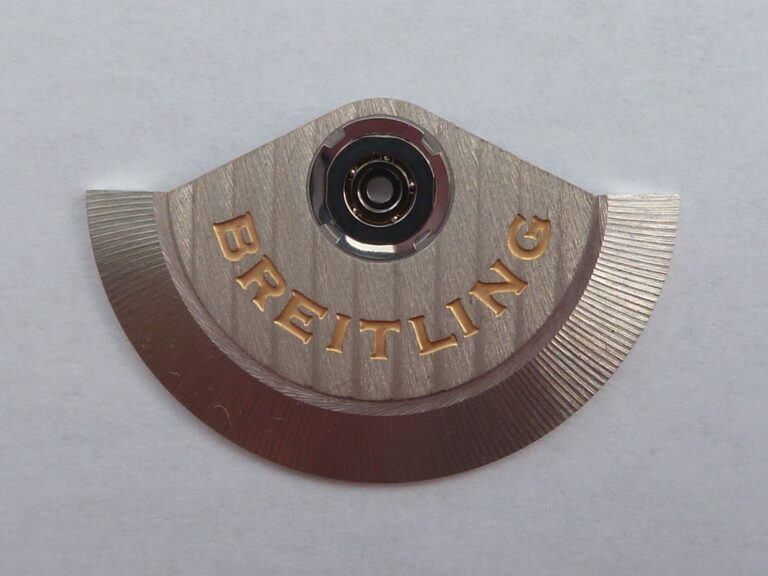
But not all watches wind the same way. Manual-wind models rely entirely on your input, requiring daily attention to keep them running. Automatic watches, on the other hand, use a rotor a semicircular weight that spins with wrist movement to wind the mainspring automatically. You can still hand-wind them for a quick boost, but the rotor adds a layer of self-sufficiency.
The key player in preventing disaster is the slip clutch or slipping mainspring, a feature invented in the early 20th century by brands like Rolex. This mechanism acts like a safety valve. When the mainspring hits full tension, the clutch engages, allowing the crown to turn freely without adding more stress. It’s why many modern owners joke that you could wind for hours and nothing bad would happen. The crown simply spins like a loose knob, harmlessly dissipating your effort.
Historically, though, winding wasn’t so forgiving. Pre-1930s pocket watches and early wristwatches lacked these protections. Enthusiastic owners could crank the crown until the mainspring fatigued and snapped, halting the watch dead. Today, with movements from ETA, Sellita, and in-house calibers dominating the market, overwinding feels like a relic. Still, it’s worth knowing the limits, because even safeguarded watches have their breaking points under extreme force.
Can You Really Overwind a Modern Watch
The short answer for most contemporary mechanical watches is no, you can’t truly overwind them in a damaging way. Thanks to that slip clutch, the system disengages before the mainspring reaches critical stress levels. Turn the crown past the point of resistance, and it will rotate smoothly without transmitting force to the spring. This design prevents the kind of catastrophic failure that plagued earlier eras.
Take Rolex’s Oyster Perpetual, for instance. Its Perpetual movement includes a self-winding rotor and a robust clutch that handles daily abuse with ease. Owners report winding it vigorously after storage, only to find it purring along without issue. The same holds for Omega’s Co-Axial escapement or Patek Philippe’s ultra-precise calibers, where engineering prioritizes reliability over fragility.
That said, “can’t overwind” doesn’t mean “invincible.” Excessive force during winding can still cause collateral damage. If you yank the crown too hard while it’s engaged, you might strip the winding stem or bend internal gears. Automatic watches on watch winders face a related risk: constant motion without a slip mechanism tuned for endless rotation could wear down lubricants over time, leading to friction buildup. But for hand-winding a stopped watch? Modern designs are forgiving.
Experts emphasize that the real enemy isn’t overwinding itself, but misuse. Always wind gently, in small increments, with the watch held stem-down to let gravity aid the process. If your watch has a screw-down crown, like those on dive models, unscrew it first to avoid stripping threads. In essence, while technology has tamed the beast, respect for the mechanism keeps it alive.
Risks of Overwinding Vintage Watches
Vintage watches tell a different story. Without modern slip clutches, these beauties from the mid-20th century or earlier are vulnerable to overwinding’s full wrath. Brands like Omega Speedmaster prototypes or vintage Rolex Submariners operated on simpler principles, where the mainspring bore the brunt of every turn.
When you overwind a vintage piece, the mainspring coils beyond its elastic limit. Metal fatigue sets in, and with enough force, it snaps like an over-stretched rubber band. The result? The watch stops abruptly, its power reserve drained to zero. Worse, shards of the broken spring can migrate through the movement, gumming up the train wheels or jamming the pallet fork in the escapement. Repair costs skyrocket, often running into hundreds of dollars for a full disassembly and cleaning.
Beyond breakage, overwinding accelerates wear. The added torque strains the barrel arbor, potentially cracking its plates or deforming the ratchet wheel. In extreme cases, it overloads the balance spring, causing irregular oscillations and time loss. I’ve spoken with collectors who learned this the hard way: a 1950s IWC pilot’s watch, wound too enthusiastically after a long hiatus, required a $500 overhaul to replace the mainspring and realign the hairspring.
Vintage enthusiasts must tread carefully. These watches weren’t built for modern haste. Wind them slowly, stopping at the first hint of resistance, usually after 20 to 40 turns. If your heirloom hails from the pre-clutch era, consider a professional service every few years to inspect the mainspring’s health. It’s a reminder that while vintage charm endures, so does the need for gentle handling.
Signs Your Watch Might Be Overwound
Spotting overwinding early can prevent bigger headaches. The most obvious clue is the crown’s behavior: in a protected watch, it spins freely after full wind-up, feeling oddly loose. But if it’s a vintage model without safeguards, you might notice increased resistance that doesn’t give way, tempting you to force it further.
Once damage occurs, symptoms emerge in the watch’s performance. A sudden stop is the classic red flag, especially if it was running fine moments before. The second hand halts, and no amount of shaking revives it. Erratic timekeeping follows: your watch might gain or lose minutes hourly, as a stressed mainspring delivers uneven power to the escapement.
Listen closely, and you’ll hear it too. A healthy mechanical watch ticks with a rhythmic, metronome-like pulse. An overwound one might produce irregular clicks or a faint grinding, signaling debris or misalignment inside. Visually, check for unusual vibrations in the balance wheel through the exhibition caseback, if equipped.
Power reserve indicators offer another tell. If it plummets unexpectedly despite recent winding, suspect internal issues. And don’t ignore the crown itself: if it wobbles or feels gritty, overwinding force could have bent the stem. These signs aren’t always immediate, but catching them early means a simple fix rather than a teardown.
Preventing Overwinding Mishaps
Prevention beats cure every time, especially with something as personal as a watch. Start with education: know your movement type. Consult the manual or manufacturer’s site for specific winding instructions. For manuals, aim for full wind-up each morning; for automatics, hand-wind only when power is low, say below 50 percent on the indicator.
Technique matters immensely. Hold the watch securely but gently, crown pointing up. Turn clockwise in smooth, quarter-turn motions, pausing to let the gears settle. Never wind on the wrist, as body heat and movement add unpredictable stress. And for automatics, skip the watch winder if possible, or choose one with adjustable turns per day (TPD) set to 650-800, mimicking natural wear.
Routine maintenance is your best defense. Service every 3-5 years to lubricate and inspect the mainspring. Store watches crown-up in a dry, cool place to avoid tension buildup. If you’re new to mechanics, practice on a beater watch first. These habits turn winding from a chore into a mindful ritual, ensuring your timepiece thrives for generations.
What to Do After Overwinding
Suspect you’ve gone too far? Don’t panic, but act swiftly. First, stop all interaction with the crown. Gently shake the watch to see if it restarts; sometimes, a loose connection resolves minor glitches.
If it remains dead, note the symptoms and contact a certified watchmaker. Avoid DIY fixes, as probing internals risks further damage. For modern watches, a simple reset often suffices: let it sit unwound for 24 hours, then wind lightly. Vintage pieces may need a mainspring replacement, a job for pros with specialized tools.
In the meantime, document everything: photos of the crown position, when it stopped, and any sounds. This aids diagnosis. Costs vary, from $50 for a cleaning to $300 for spring work, but early intervention keeps bills low. Remember, even Rolexes need human touch sometimes.
Common Myths About Watch Winding
Watch lore brims with tall tales. One persistent myth claims overwinding “wears out” the mainspring faster, shortening its life. Truth is, proper winding extends longevity; it’s underuse that causes rust and seizing.
Another: automatics self-destruct if not wound daily. Nonsense, as long as you wear them regularly. And the big one, that all overwinding breaks the watch instantly. As we’ve seen, safeguards debunk this for most models.
Dispelling these frees you to enjoy your watch without fear. Knowledge empowers, turning myths into mastery.
Overwinding your watch might sound like a horologist’s nightmare, but armed with insight, it’s a manageable risk. From the protective clutches of today to the fragile springs of yesteryear, understanding these mechanics deepens our appreciation for horology’s artistry.
Treat your timepiece with care, wind with intention, and it’ll reward you with unwavering precision. After all, a watch isn’t just a tool; it’s a companion through time’s relentless march. What’s your winding ritual? Share in the comments, and keep those crowns turning wisely.