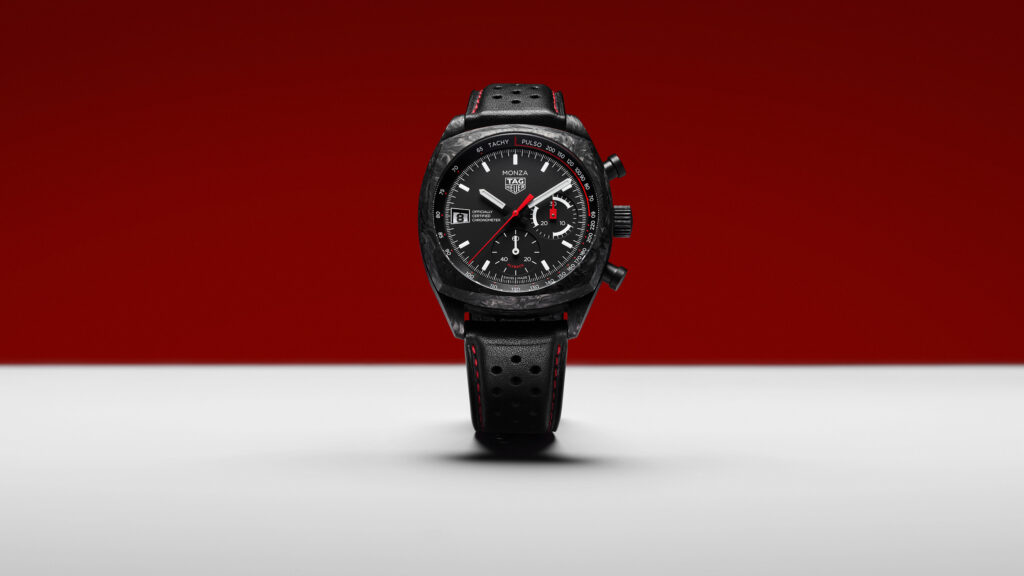
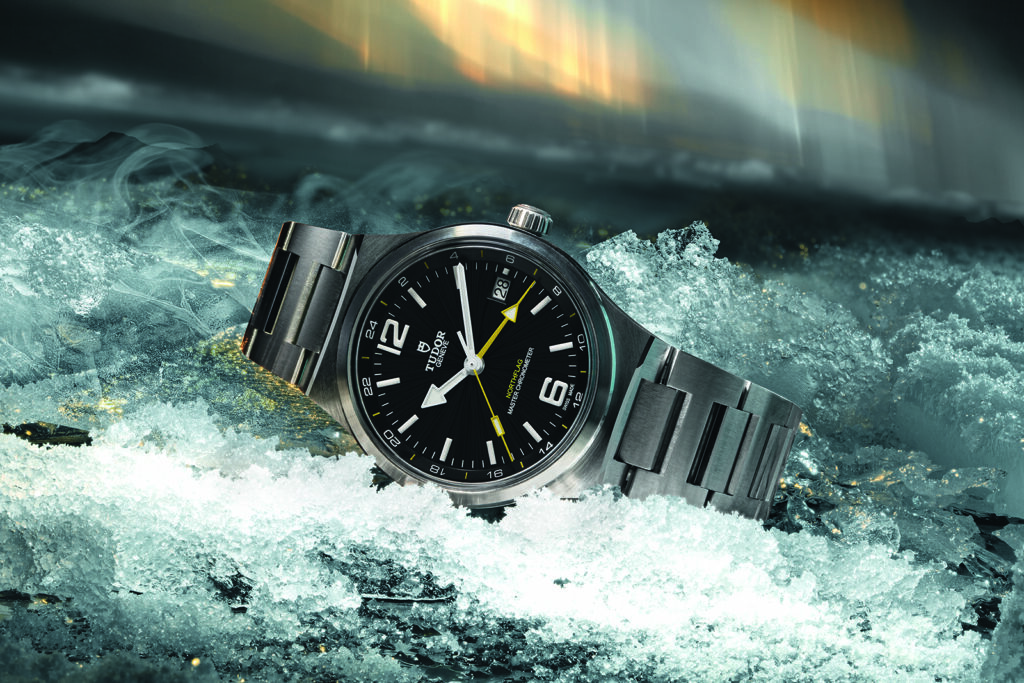
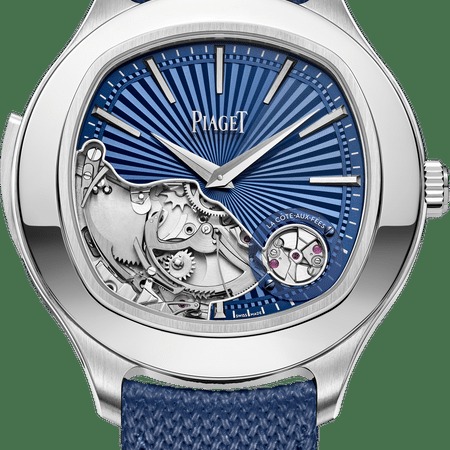
In the world of timepieces, few inventions capture the imagination quite like the automatic watch. These mechanical marvels, powered by the subtle sway of your wrist, blend artistry with engineering in a way that feels almost magical.
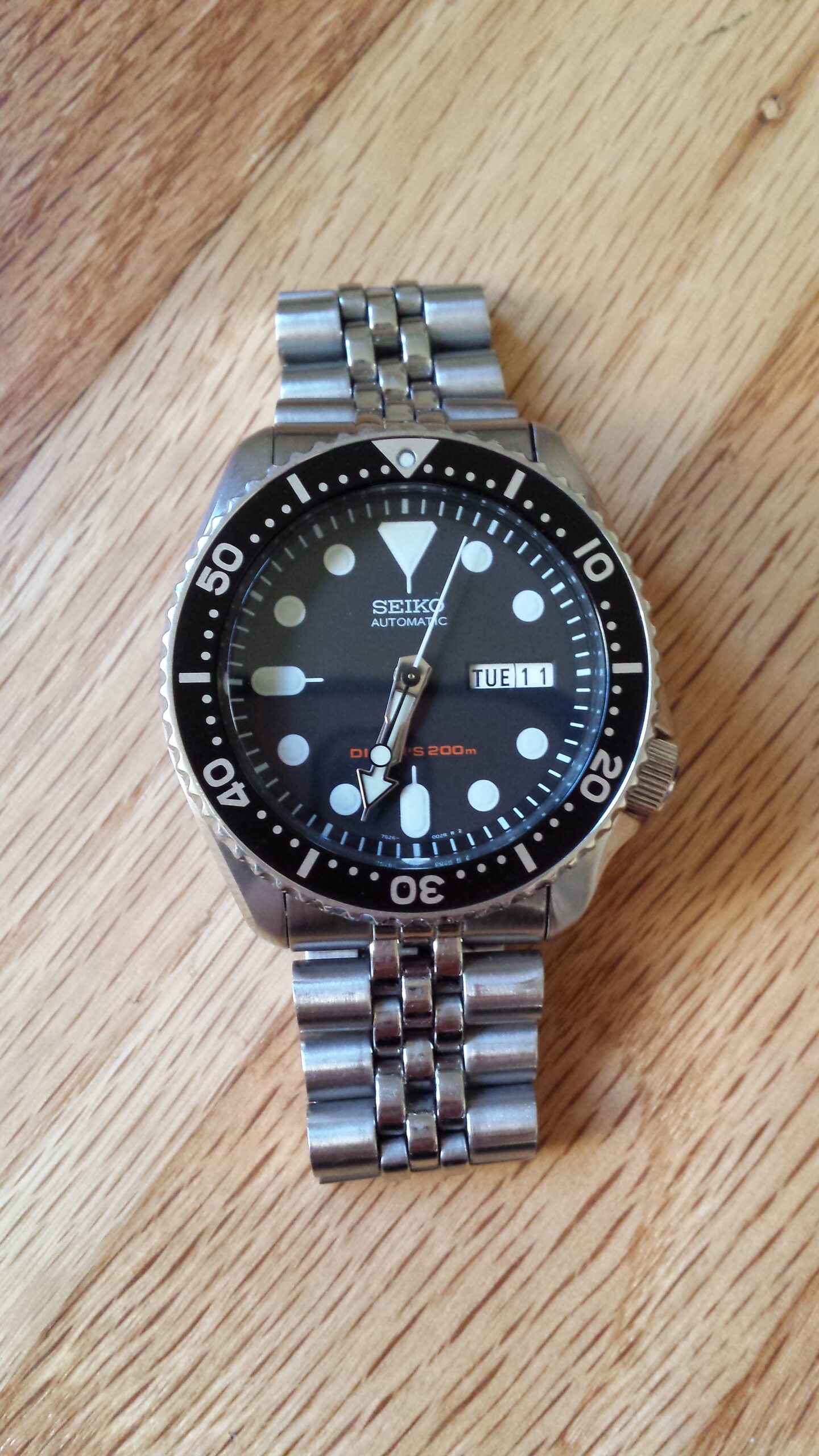
For enthusiasts and casual wearers alike, automatic watches represent more than just a tool to tell time. They embody tradition, precision, and a touch of personal flair. But as with any cherished possession, they come with their own set of strengths and challenges.
Whether you are a seasoned collector eyeing your next heirloom or a newcomer intrigued by the smooth sweep of a second hand, understanding the pros and cons of automatic watches is essential.
This guide dives deep into what makes these watches tick, quite literally. We will explore their history, mechanics, benefits, drawbacks, and how they stack up against modern alternatives. By the end, you will have a clear picture to help you decide if an automatic watch deserves a spot on your wrist.
What Makes an Automatic Watch Tick
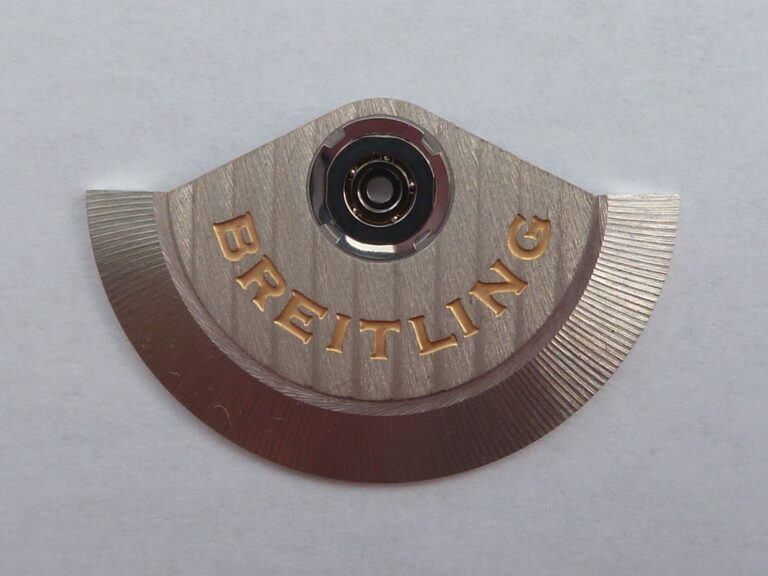
To appreciate the allure of automatic watches, it helps to start at the beginning. Unlike their quartz counterparts that rely on a battery and electronic circuit, automatic watches draw power from a mechanical movement. At the heart of every automatic watch lies a rotor, a semicircular piece of metal that spins freely with the natural motion of your arm. This rotation winds the mainspring, storing energy to keep the gears turning and the hands moving.
The concept dates back to the early 20th century, with pioneers like Abraham-Louis Perrelet experimenting with self-winding mechanisms as far back as the 1770s. It was not until the 1920s, however, that Rolex revolutionized the industry with its Perpetual rotor, making automatic winding a staple in luxury timepieces. Today, brands like Omega, Seiko, and TAG Heuer continue this legacy, crafting movements that can last generations with proper care.
What sets automatics apart is their self-sufficiency. No batteries mean no disposals, and the intricate assembly of tiny components often visible through a exhibition case back adds a layer of visual poetry. Imagine peering into the soul of your watch, watching jewels and escapements dance in harmony. It is this blend of function and form that draws people in, turning a simple accessory into a conversation starter.
The Timeless Advantages of Automatic Watches
Automatic watches shine brightest when you value heritage and hands-on appeal. Let us break down the key benefits that keep them relevant in an era of smartwatches and digital displays.
No Batteries Required for Endless Reliability
One of the most compelling perks is the freedom from batteries. Quartz watches demand replacement every one to three years, a hassle that can leave you scrambling during important moments. Automatics, on the other hand, thrive on your daily movements. As long as you wear it regularly, the rotor keeps the power reserve topped up, often good for 40 to 80 hours of operation.
This reliability extends to longevity. A well-maintained automatic can run for decades without major overhauls, unlike electronics prone to obsolescence. Take the iconic Rolex Submariner, for instance. Divers and adventurers have trusted its automatic movement since 1953, proving that mechanical simplicity often outlasts technological complexity. In a world where gadgets fail unexpectedly, this dependability feels reassuring.
Craftsmanship That Tells a Story
Nothing rivals the artistry of an automatic watch. Each movement involves hundreds of hand-assembled parts, from the balance wheel that regulates time to the pallet fork that releases energy in precise bursts. Watchmakers spend years honing skills passed down through apprenticeships, resulting in pieces that are as much sculpture as they are functional.
This level of detail elevates the wearing experience. The smooth, sweeping second hand, gliding across the dial at eight beats per second, contrasts sharply with the tick of quartz models. It is a subtle reminder of the watch’s living nature. Collectors often cite this as a gateway to horology’s deeper lore.
Brands like Patek Philippe engrave mottos such as “You never actually own a Patek Philippe. You merely look after it for the next generation,” underscoring the emotional bond formed with such heirlooms.
Investment Potential and Resale Value
For those thinking long-term, automatics offer financial upside. High-end models from reputable makers appreciate over time, driven by limited production and enduring demand. A vintage Omega Speedmaster, worn by astronauts on the moon, can fetch thousands at auction today. Even entry-level automatics from Seiko hold value better than most quartz pieces, which depreciate quickly.
This investment angle appeals to millennials entering the market, blending practicality with passion. Forums buzz with stories of first-time buyers flipping their watches for profit after a few years, turning a hobby into a savvy side hustle. It is not just about timekeeping. It is about building a portfolio that ticks with appreciation.
A Personal Connection Through Wear
Wearing an automatic fosters a ritualistic intimacy. You feel the subtle weight on your wrist, hear the faint hum of the rotor on quiet nights, and notice how it responds to your lifestyle. Active professionals appreciate how gym sessions or commutes keep it wound effortlessly. Sedentary folks might add a watch winder to mimic motion, but the core appeal remains the synergy between wearer and machine.
This personalization extends to customization. Many automatics allow for strap swaps, dial variations, and even engravings, making each one uniquely yours. It is a counterpoint to mass-produced gadgets, offering a tactile anchor in our digital age.
The Practical Drawbacks of Automatic Watches
For all their charm, automatic watches are not without flaws. These mechanical wonders demand respect, and overlooking their limitations can lead to frustration.
Higher Cost of Entry and Ownership
Price is the first hurdle. Entry-level automatics start around $200, but quality pieces from established brands climb into the thousands. The complexity of the movement drives up manufacturing costs, and luxury taxes add to the premium. Compare that to a reliable quartz watch under $50, and the gap is stark.
Ongoing expenses compound this. Servicing every three to five years runs $200 to $800, depending on the model. Neglect this, and dirt or magnetization can throw off accuracy, turning a precision instrument into a rough estimate. Budget-conscious buyers might find the math unappealing, especially if they prioritize affordability over aesthetics.
Accuracy Challenges in Everyday Use
Precision is another sticking point. While top-tier automatics like those certified by the Contrôle Officiel Suisse des Chronomètres deviate by just four seconds per day, most hover around 10 to 20 seconds. Quartz watches, by contrast, lose or gain mere seconds per month. For punctual professionals or travelers syncing to multiple time zones, this imprecision can grate.
Factors like temperature swings, positions during storage, and even magnetism from phones exacerbate deviations. Enthusiasts mitigate this with regulators or demagnetizers, but it requires vigilance. In fast-paced lives, where every minute counts, the romance of mechanics sometimes yields to the cold efficiency of electronics.
Bulk and Sensitivity to Lifestyle Demands
Automatics tend to be thicker and heavier, thanks to the extra layers of gears and the rotor. A slim quartz might measure 8mm, while an automatic often exceeds 12mm, potentially snagging on cuffs or feeling cumbersome during workouts. The added mass, usually steel or precious metals, suits formal attire but clashes with athleisure.
Sensitivity rounds out the trio of concerns. Shocks from sports or drops can jar the balance wheel, halting operation until reset. Water resistance varies too. While dive watches like the Seiko Prospex handle depths, dress automatics falter in showers. Owners must baby them, a far cry from the ruggedness of smartwatches.
Power Reserve Limitations for Infrequent Wearers
Here is a sneaky pitfall. If you rotate watches or travel light, the power reserve drains after a day or two off the wrist. Suddenly, your prized piece stops, requiring a manual wind or shake to revive. Watch winders solve this for $50 to $300, but they add clutter and electricity costs. For globe-trotters or multi-watch collectors, this intermittency disrupts the seamless flow quartz provides.
Automatic Watches Versus Quartz The Modern Debate
To contextualize these pros and cons, pit automatics against quartz. Invented in the 1960s, quartz movements use a crystal oscillator for unparalleled accuracy at a fraction of the cost. They power everything from Casio digitals to elegant Citizen Eco-Drives.
Quartz wins on affordability, slim profiles, and low maintenance. No winding, no servicing beyond battery swaps. Yet automatics counter with soul. The tactile feedback, heirloom potential, and mechanical purity resonate in ways pixels cannot. Hybrids like kinetic watches from Seiko bridge the gap, blending auto-winding with quartz precision.
Ultimately, choice boils down to priorities. Quartz suits the pragmatic multitasker. Automatics enchant the storyteller, those who see time as narrative, not just numbers.
Essential Maintenance Tips for Automatic Watch Owners
Owning an automatic is a commitment, but armed with knowledge, it is rewarding. Store it dial up to minimize gravity’s toll on lubricants. Avoid magnets near speakers or bags. Service promptly if it runs fast or slow.
Daily habits matter too. Wear it consistently or use a winder set to the movement’s beats per hour. Clean with a soft cloth, never submerge unless rated. For water adventures, opt for ISO-certified divers. These steps preserve not just function, but the joy of ownership.
Final Thoughts on Embracing the Automatic Lifestyle
Automatic watches straddle the line between relic and revelation. Their advantages, from battery-free endurance to exquisite detail, make them irresistible for anyone craving depth in daily wear. Yet the costs, accuracy quirks, and care needs remind us that perfection lies in balance.
If you seek a companion that evolves with you, whispers of history with every tick, then dive in. Start with accessible gems like the Orient Bambino or Hamilton Khaki Field. Test the waters, feel the rotor whirl, and let your wrist decide. In the end, timepieces are personal. Choose one that measures not just hours, but the moments that matter.