
Manual-wind watches ask something of their owner that automatics and quartz never do: you have to wind them, and you have to do it every day. That daily ritual is exactly why many owners keep coming back to a hand-wound piece — it is the most direct, tactile connection to the movement that horology has to offer. No rotor, no self-winding weight, just you, the crown, and the mainspring doing the work.
That intimacy also means your habits matter more. A manual movement depends on a regular winding routine, clean handling and sensible storage to stay accurate for decades, not just years. This guide walks through what actually keeps a manual watch healthy — winding technique, everyday habits, cleaning, storage and knowing when a watchmaker is the right call — without the jargon that bogs down most care advice.
A well cared for manual watch can easily outlast its owner. The secret is that strong daily habits beat occasional dramatic intervention every time. Get the routine right and the rest largely takes care of itself.
How a Manual Movement Is Built: Mainspring, Gears and Balance Wheel
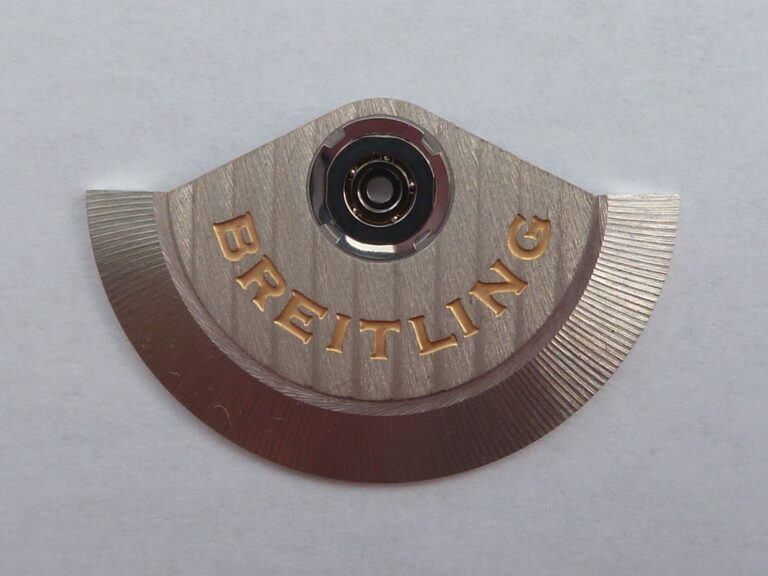
Before maintenance makes sense, it helps to understand what a manual watch actually contains. At the center of it all is the mainspring, a coiled strip of spring steel that stores energy when you turn the crown. That stored energy drives a train of gears, which release it through the escapement and balance wheel in the controlled ticks you hear. There is no self-winding rotor — unlike an automatic, a manual watch gets all of its power from you.
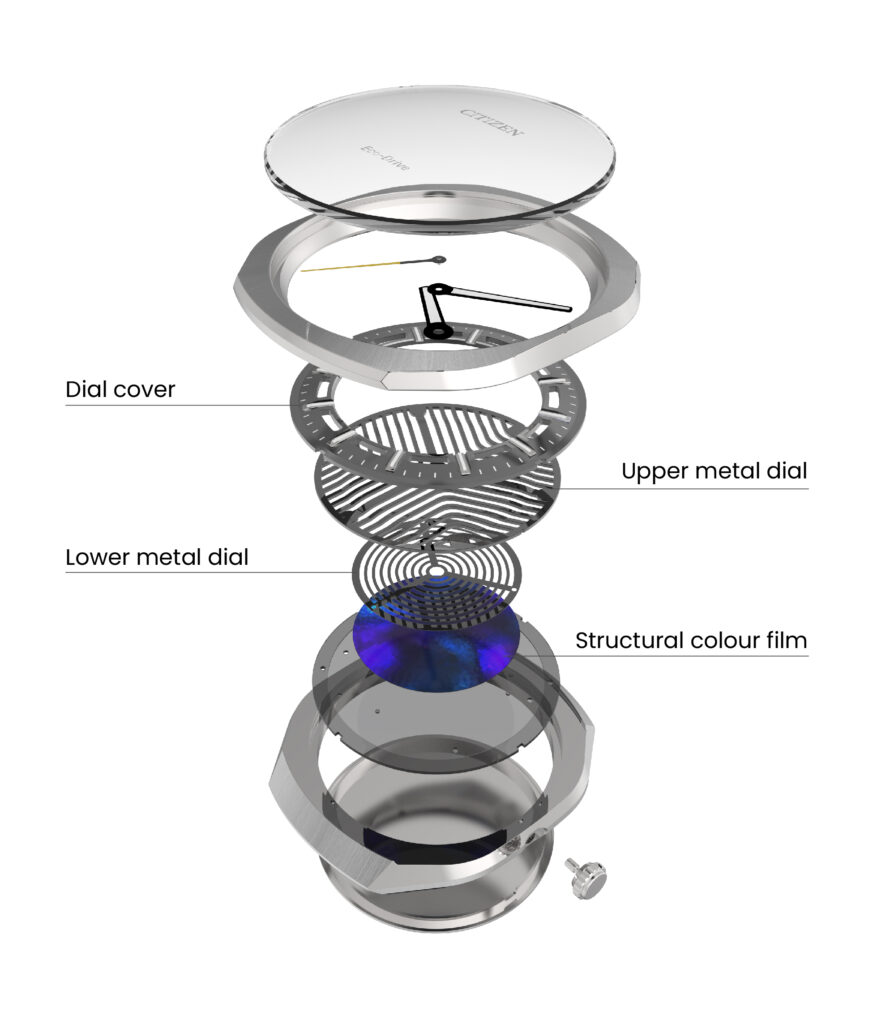
The parts you touch day to day are few: the crown you turn to wind, the case that protects the movement, and the crystal over the dial. Most cases are stainless steel, gold or titanium, and modern crystals are typically sapphire. Gaskets and seals keep out water and dust, though most dress-style manual watches are not built for submersion — treat them as splash-resistant, not dive-proof.

The mainspring holds a finite amount of energy, its power reserve. Most manual movements run between 24 and 72 hours on a full wind, which is why a daily or every-other-day routine works best. The old fear of overwinding is largely a myth in modern designs — they use a slipping clutch that protects the spring — but gentle, deliberate winding is still kindest to the mechanism.
How to Wind a Manual Watch the Right Way
Winding well is the single most important skill of manual-watch ownership. Start with the watch off your wrist, or with the crown pointed down so you are not pinching skin. Grip the crown between thumb and forefinger, firmly but not tightly.
Turn clockwise in smooth, even rotations — most models take somewhere between 20 and 40 full turns to reach a full wind. Stop the moment you feel resistance build; the slipping clutch prevents real damage, but stopping there respects the mechanism. Consistency matters too: winding at roughly the same time each day, say with your morning coffee, stops the watch from running flat. A movement left stopped for months can let its lubricants settle or dry unevenly, which is why a steady routine protects it.
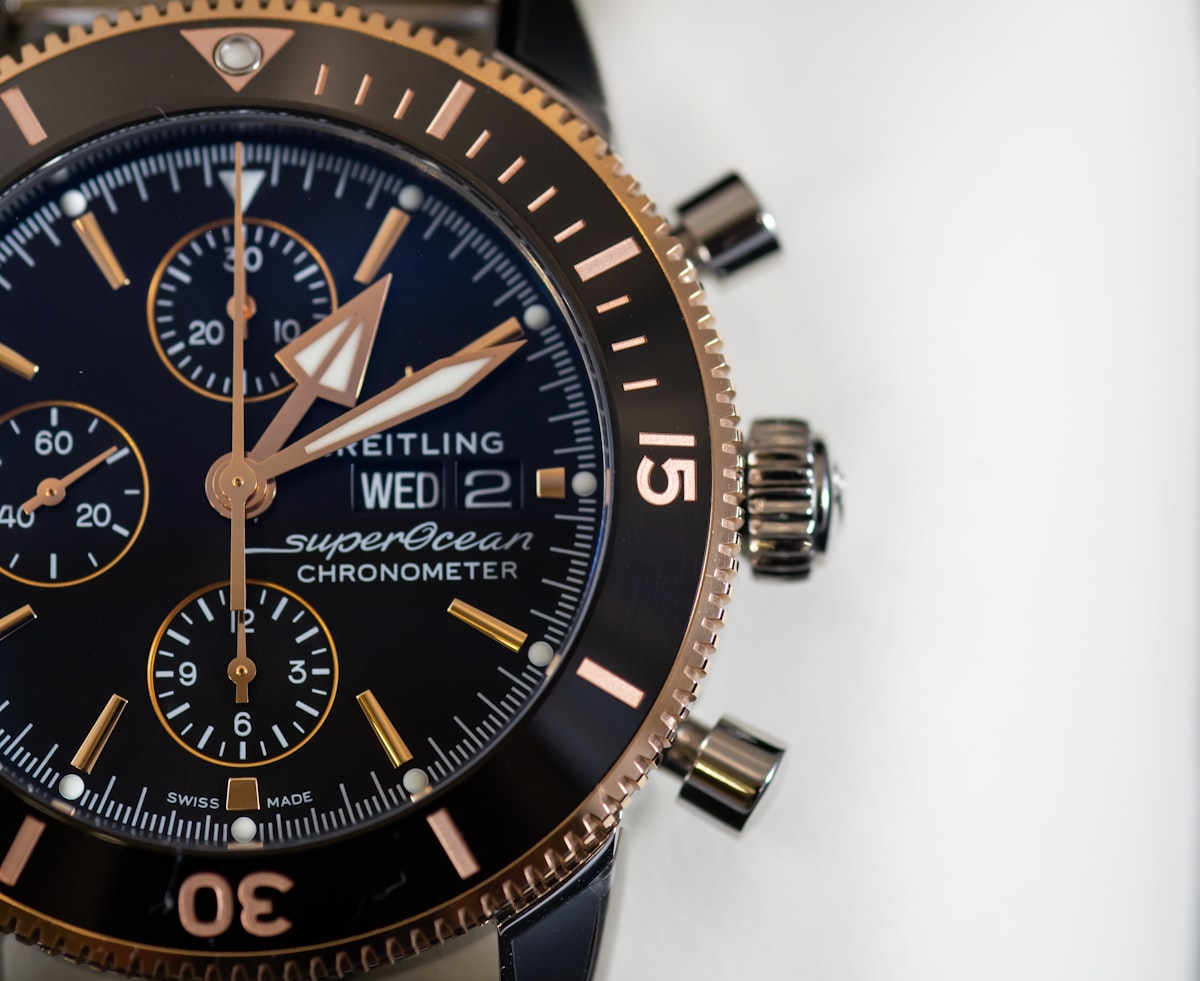
If your watch has a screw-down crown — common on sports-oriented manuals — unscrew it counterclockwise first, then wind. Always wind with clean, dry hands so you are not working oils or grit into the crown tube and case. If you are brand new to this, practice on a less precious piece until the feel of a full wind becomes second nature.
Daily Habits That Protect Your Movement
Protection starts before the watch ever goes on your wrist. Take it off for heavy, jarring activity — weightlifting and most sports can knock the delicate balance staff out of alignment. Keep it clear of strong magnetic fields too, like loudspeakers or the clasp on a magnetic purse latch, because magnetization makes the movement run fast or erratically.
Extremes of temperature are another quiet enemy. Hours of direct sun or a sauna session can make metals expand unevenly, while deep cold can contract seals. Storing a watch around normal room temperature, roughly 15 to 25 degrees Celsius, keeps everything within its designed range.
When the watch is off, it deserves a soft landing — a microfiber cloth on a dresser is enough to stop scratches from an accidental knock, and it should never share a pocket with keys or coins. In humid climates, a silica gel packet in the watch box draws moisture out of the air and keeps steel parts from corroding. Individually these are tiny gestures, but stacked over years they are what let a manual watch stay crisp.
Cleaning a Manual Watch, Step by Step
Cleaning is about both looks and function. Start outside: a soft, lint-free microfiber cloth removes fingerprints and smudges from the case and bracelet. Stubborn spots can take a barely damp cloth with lukewarm water, but dry immediately so no moisture sits against the case. Skip bleach and ammonia entirely — both etch metal finishes and damage seals.

The inside is another matter. Dust on too much or too far, a brief blast of compressed air from a distance clears the odd particle. But never open the case back yourself unless you are trained — every time the movement is exposed it invites dust and misalignment. For the exterior, a horsehair-bristle watch brush every few months lifts grime from the case and bracelet, and a mesh bracelet can be soaked in warm soapy water, rinsed and air-dried. Patience here is rewarded: it is the luster you noticed on the first day.
Storing a Manual Watch So It Runs When You Come Back
Good storage keeps a resting watch ready to go. A watch box with individual cushioned slots is the baseline — cedar options repel moths, and felt lining absorbs vibration. Avoid stacking watches on top of each other, which deforms bracelets and risks scratched crystals, and for travel use a padded roll that holds each piece without friction.
Humidity control pays off here. A small dehumidifier or a box with a hygrometer keeps levels below roughly 50 percent, which is the threshold where rust starts to become a risk. If a watch will sit for months, give it a partial wind every couple of weeks — enough to keep the oil distributed across the pivots without leaving the mainspring under full tension. Jotting the model’s power reserve on the box lid makes that quick refill easy to time.

When Your Manual Watch Needs a Professional Service
However careful you are, a manual movement still needs a watchmaker on a schedule. Most authorities recommend professional service every three to five years. The telltale signs that you are due include gaining or losing more than a couple of minutes a day, a second hand that stutters, or a crown that feels gritty when you wind — all of which usually point to dried or tired lubrication.
Water resistance fades as gaskets age, so if you expose the watch to moisture, have the seals pressure-tested annually. During a proper service the watchmaker disassembles the movement, cleans every component, relubes the pivots and replaces worn parts such as gaskets or the mainspring. Expect to pay anywhere from $200 to $800 depending on the complexity of the caliber — think of it as insurance against a far bigger repair bill down the line.
For a watch still under warranty, use an authorized service center so the guarantee stays intact. After service the movement comes back running with its original vigor, and a documented service record is a real plus when you ever decide to sell.
Common Mistakes That Shorten a Manual Watch’s Life
The mistakes that hurt manual watches are small and repeated. Overwinding out of habit rarely breaks a modern movement, but forcing it past resistance still stresses the wheels and crown stem — wind until it stops, then stop. Neglecting strap changes is another: sweat and skin oils break leather down fast, so rotate straps and inspect them seasonally.
Applying perfume or lotion then delaying a watch keep those residues off the case and crystal, which over time dull the finish. If your watch carries a date complication, avoid adjusting it around midnight, when the date-change mechanism is engaged — setting it only between early evening and late night spares that delicate part. And as tempting as DIY repair videos are, an amateur disassembly almost always ends in dust and misalignment. Leave the inside to the experts.
Tools and Habits Worth Adopting as a Collector
For owners with several manual pieces, a few tools turn care into a ritual. A demagnetizer will bring a magnetized movement back to accurate running in seconds, and a loupe makes it easy to spot a developing micro-scratch before it becomes a problem. A simple logbook noting each service date and watchmaker pays off double — it simplifies future servicing and boosts resale value when the piece moves on.
For genuinely valuable pieces, insurance that covers loss and damage is worth the premium, and it usually comes with an appraisal that documents the watch’s condition. Finally, the collector community itself is a resource: forums are full of model-specific knowledge, like the exact winding direction or power reserve quirks of a particular vintage caliber, that no general guide can cover.
Own a manual watch long enough and the winding routine stops feeling like maintenance and starts feeling like the point. Each morning turn is a small ceremony, a direct conversation with a mechanism built decades ago to keep running as long as someone cares for it. Do the small things consistently — wind it daily, keep it clean, store it dry, service it on time — and it will keep marking your days with the accuracy and character that only a hand-wound watch can.