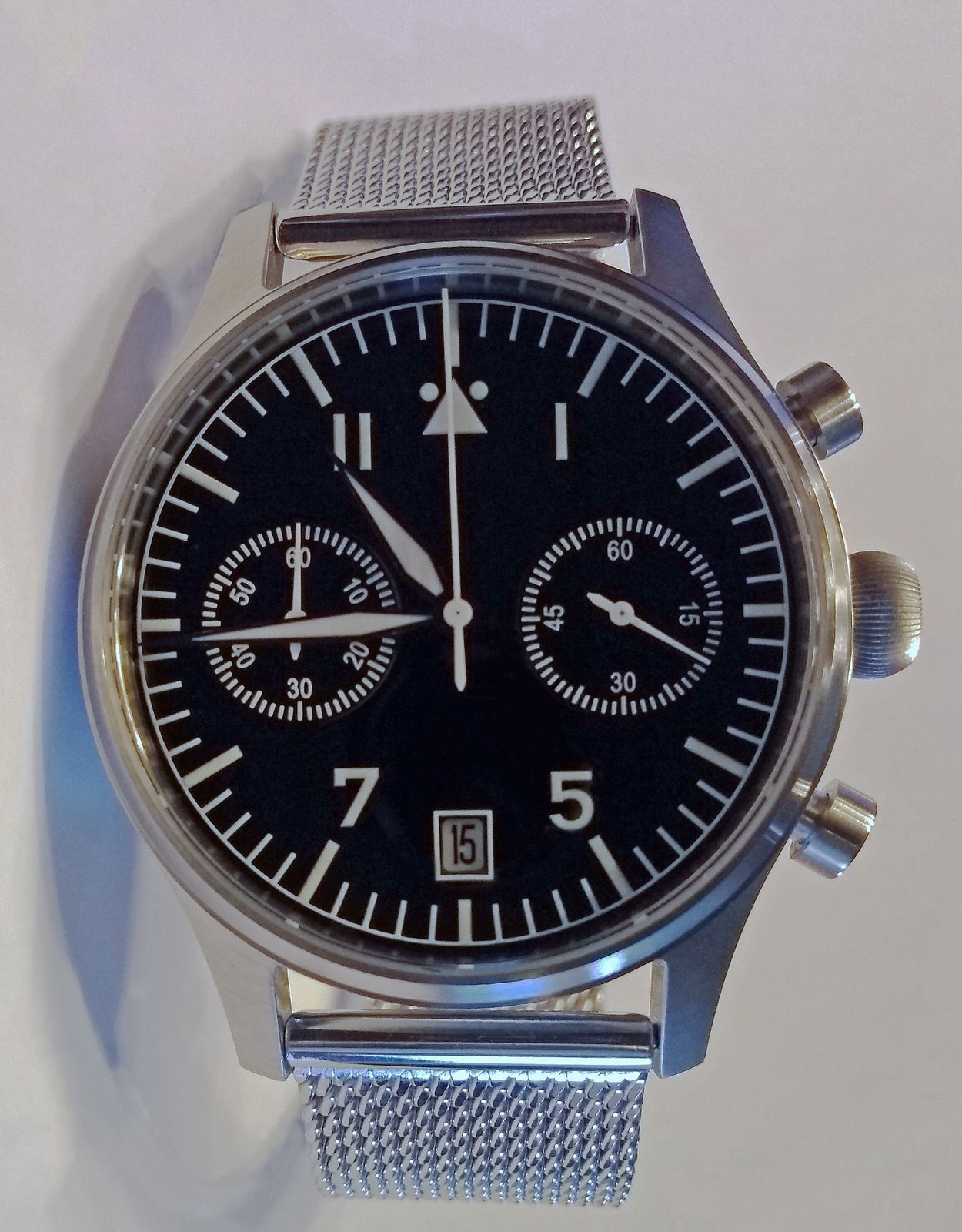

I have a confession after years of trading straps on my own watches: most people buy the wrong one and never notice. They pick the case, obsess over the dial, then let the thing that actually touches their skin all day be an afterthought. The strap is where a watch either earns its keep or quietly annoys you. Swap it and the same case can go from boardroom to beach without a second glance.
Three materials carry almost the entire conversation: leather, rubber and the metal bracelet. Each trades a different coin. Leather buys elegance and a patina that grows on you; rubber buys indifference to water and sweat; steel buys decades of hard wear and a permanent, weighty presence. What you pick should fall out of how you actually live, not out of a product shot.
Leather: When It Shines, When It Tears
Leather is the classic move for a reason. It is the default for dress watches and sharp office wear, and it warms up the longer you wear it. The real appeal is the patina: a well-loved alligator or calfskin strap keeps a kind of memory of every summer on your wrist, darkening and picking up character that a slab of metal never will.
Calfskin, Alligator or Shell Cordovan
Leather comes in very different temperaments.
- Calfskin: the everyday workhorse, smooth and fairly fine-grained. Comfortable in the office and on a casual weekend alike.
- Exotic leathers (alligator, crocodile, shell cordovan): the high end. Distinct scales or a dense, glassy cordovan surface, and substantially tougher than they look. Best saved for formal pieces.
- Suede and nubuck: softer and more casual, at home on a vintage piece or a modern watch you want to look relaxed.
- Leather NATO or Zulu: the fabric-style strap done in hide, giving a tool watch a rugged-but-polished weekend look.
A pilot’s chronograph such as an Escapement Time flieger wears this look well, its blade-like lugs sitting comfortably on a padded brown strap.
Water Is Leather’s Quiet Killer
The honest downside is the maintenance. Leather’s natural fibres drink moisture, and water and sweat are what break a strap fastest; they dry it out, crack it, discolour it and eventually rot it. It is a poor guest in the gym, in the pool or in a soaking humid climate.
Treat it like the investment it is. Condition it occasionally, let it dry fully if it ever gets wet, and rotate it if you wear the watch daily so the leather breathes between wears. Anyone who spends long days outdoors or sweats heavily should keep a sports strap on standby.
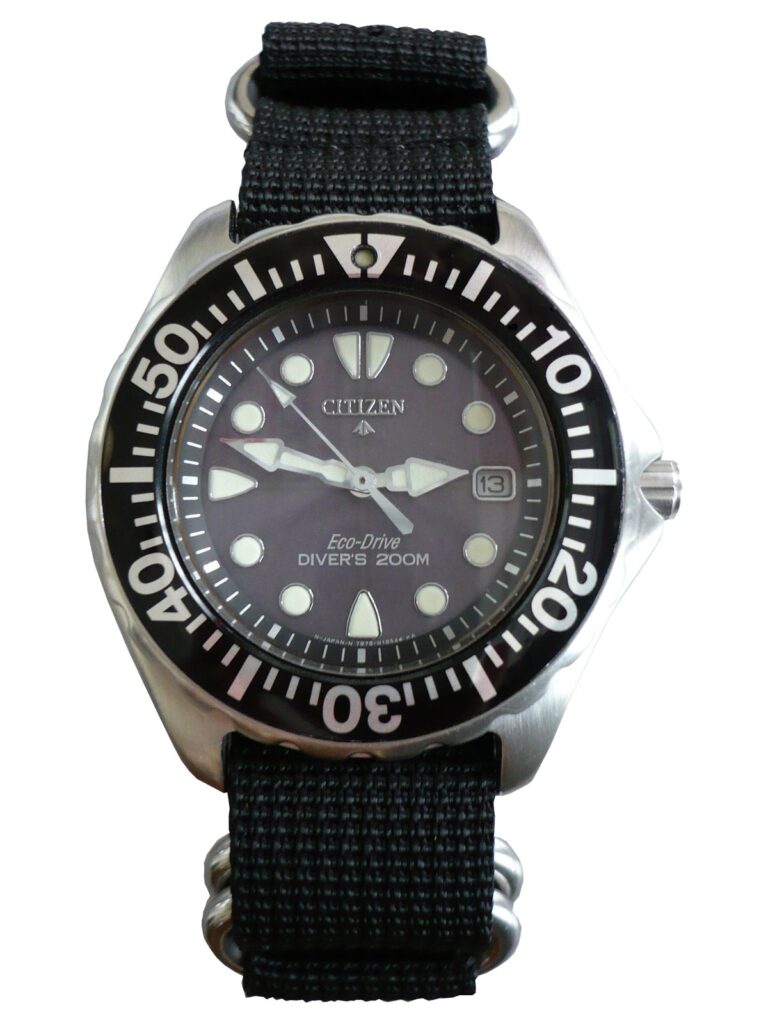
A four-ring NATO strap makes the same case look expedition-ready, swapping a diver’s seriousness for a weekender’s ease in seconds. It is the cheapest way to reframe a watch.
Rubber: Built for Diving, Sweat and Saltwater
Rubber, usually synthetic rubber or silicone, came up through dive watches and it shows. It is the most brutally functional of the three, designed to shrug off the worst of what a wrist can be dragged through.
From Dive Tool to Smart-Casual
Modern rubber has moved past the cheap utilitarian look. Better grades feel supple, come in clean colours and sit smartly on a business-casual wrist. Fitted to a dive watch, a polyurethane strap is almost invisible to the watch itself failing.
- Water resistance: rubber’s headline act. It ignores water, sweat and UV, making it ideal for diving, open-water swimming, running and the gym.
- Comfort and skin-friendliness: supple and flexible, it contours to the wrist without pinching, and good grades are hypoallergenic for sensitive skin.
- Low maintenance: a rinse under the tap is a full clean. The lowest-effort option of the three by far.
Who Should Wear Rubber
For certain lifestyles rubber is close to mandatory:
- Athletes and gym-goers: a secure, non-slip grip for high-impact movement, and sweat does not breed odour or rot.
- Divers and water-sports people: the traditional, safest pick for a dive watch, holding up in saltwater and chlorine.
- People in hot, humid climates: where leather fails on moisture, rubber thrives.
Its old knock was looking too sporty for a suit. Better compounds such as fluororubber have closed much of that gap with a matte finish that sits between sport and smart-casual.
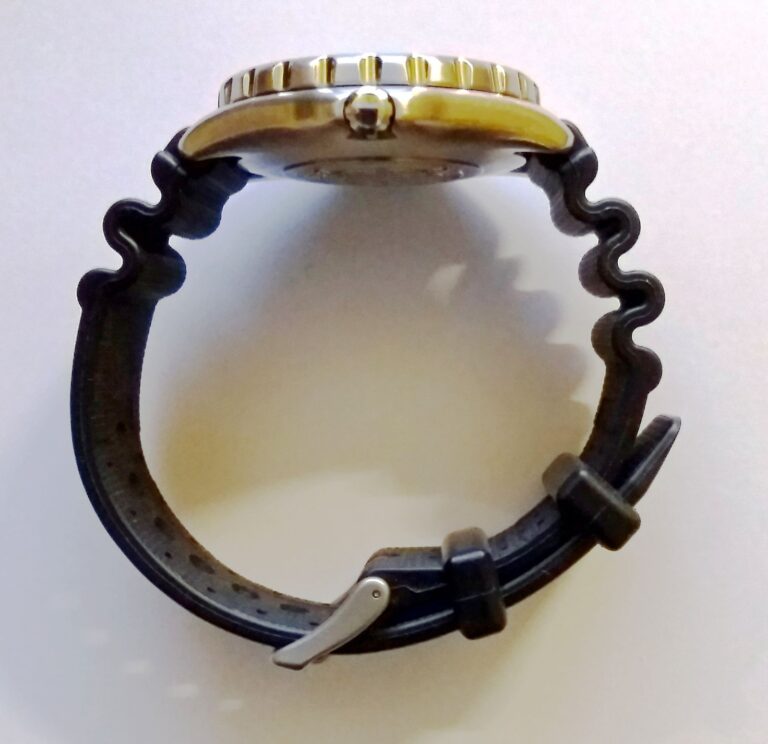
On a dive watch the rubber strap earns its keep: forgiving under a wetsuit, immune to seawater, and a simple rinse away from clean.
Steel and Titanium Bracelets: Weight, Fit, Long Game
Metal bracelets, the standard on luxury sports and tool watches, are the long-haul choice. In stainless steel, titanium or precious metal they bring heft, durability and a formal air that straps cannot match.
Oyster, Jubilee or Milanese: What the Link Style Changes
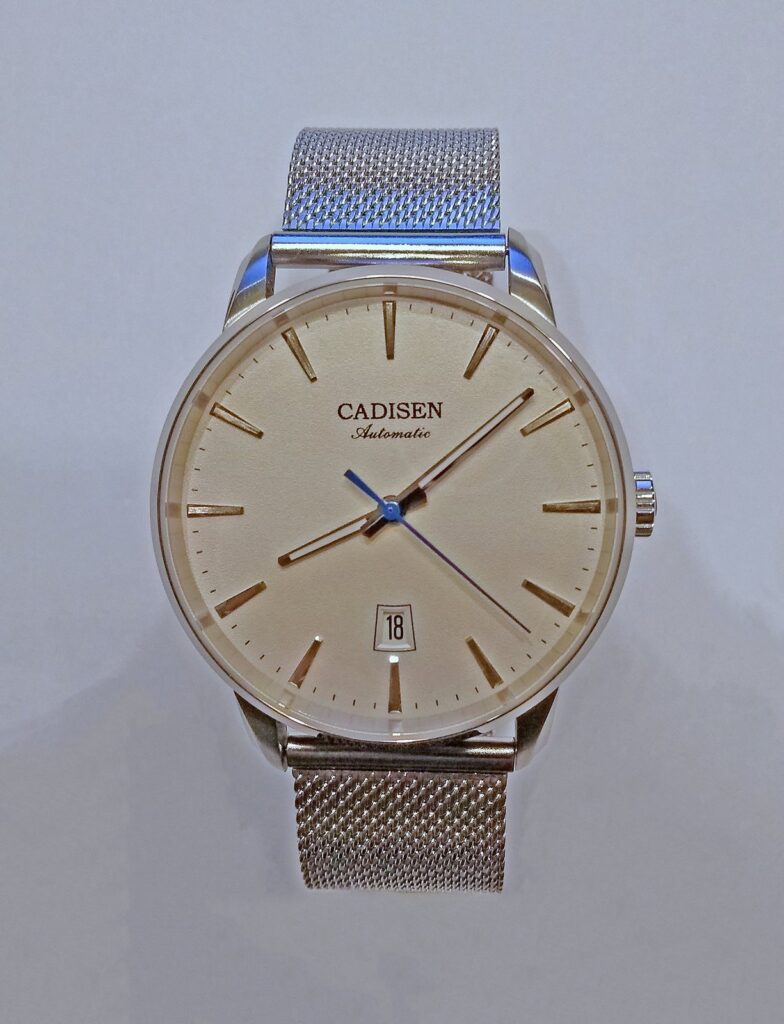
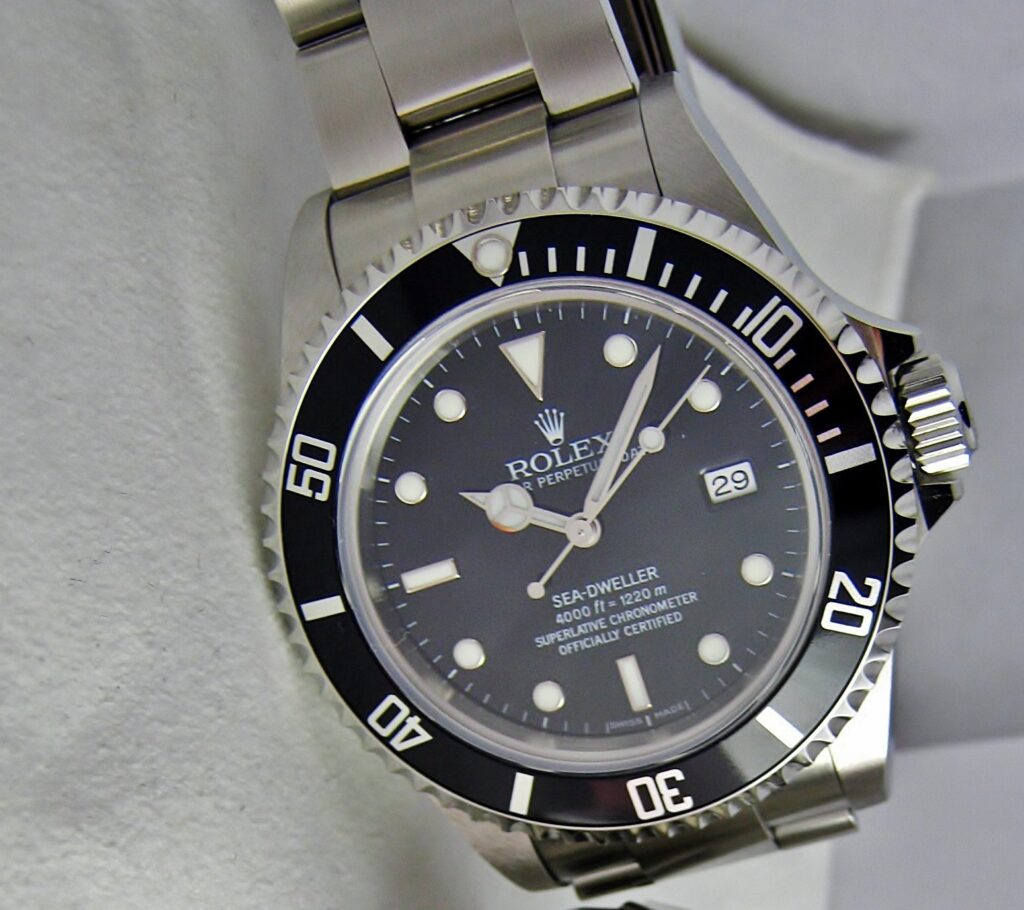
The starch of the bracelet carries its own character. A Rolex Sea Dweller on its Oyster bracelet is the archetype of a steel sports watch: solid, secure and unmistakably tool-first. A Cadisen automatic on a polished-and-brushed steel band shows the same case shrinking or expanding into pocket-friendly money.
- Durability: the most durable option, often outliving the movement. Steel and titanium shrug off scratches, corrosion and most accidents.
- Security: a well-made clasp or safety lock is the most theft-proof and slip-proof of the three, which matters on a high-value piece.
- Versatility: depending on the links—Oyster, Jubilee or Milanese mesh—a bracelet shifts between formal, professional and everyday.
Sizing Is Everything on Metal
Metal’s two real costs are weight and fit. A steel bracelet is heavier than leather or rubber; titanium is the exception, light yet strong. And unlike a strap, a bracelet must be sized by adding or removing links—get it wrong and it pulls wrist hair or slides around. A professional fit is worth the trip.
Like rubber, metal is water-game. Give it a proper dry and the occasional clean, because dirt and grime build up between the links.
Match the Strap to What You Actually Do
The rule is simple: match the strap to the watch’s main role, or to your dominant activity.
| Activity / Setting | Recommended Strap Material | Rationale |
| Formal business / evening | Leather (alligator/calfskin) or steel (Jubilee/Oyster) | Leather is the classic slim, elegant profile; a polished bracelet adds formality. |
| Gym / running / outdoor sport | Rubber/silicone or nylon NATO | Maximum sweat, water and impact resistance, lightweight and easy to clean. |
| Swimming / diving / beach | Rubber or steel bracelet | Full water resistance; steel adds security in rough water. |
| Casual weekend / everyday | Calfskin/suede, canvas or steel | Balance of comfort and durability; pick on taste and feel. |
| Office / professional | Calfskin or steel bracelet | Projects a polished image; skip loud sport straps at the desk. |
The Collector’s Move: Rotate Straps on One Watch
The best answer for anyone who owns a nice piece is not one material but three. A small strap drawer turns one watch into several:
- Preserve the leather: give hides a break from sweat and humidity before they crack.
- Adapt on the spot: slip the same dive watch onto rubber for the morning run and leather for an afternoon lunch.
- Reframe the watch: one strap change can change its whole personality; a tool watch on a NATO is expedition-ready, on a bracelet it is formal.
The right strap is not a guarantee, it is a judgement. Be honest with yourself about where you spend your hours and about your climate, and the watch will not just look right, it will feel right every single day.