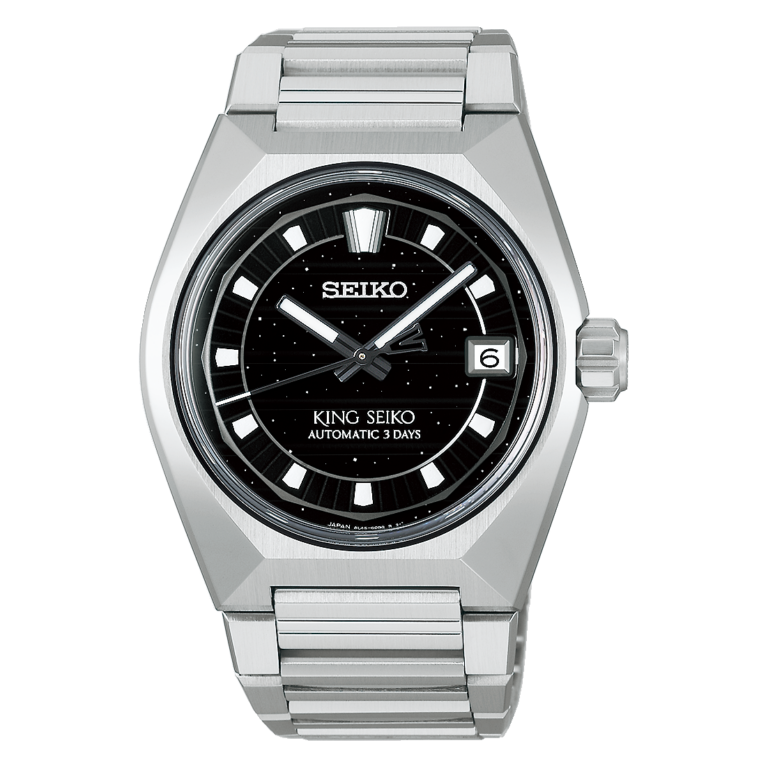
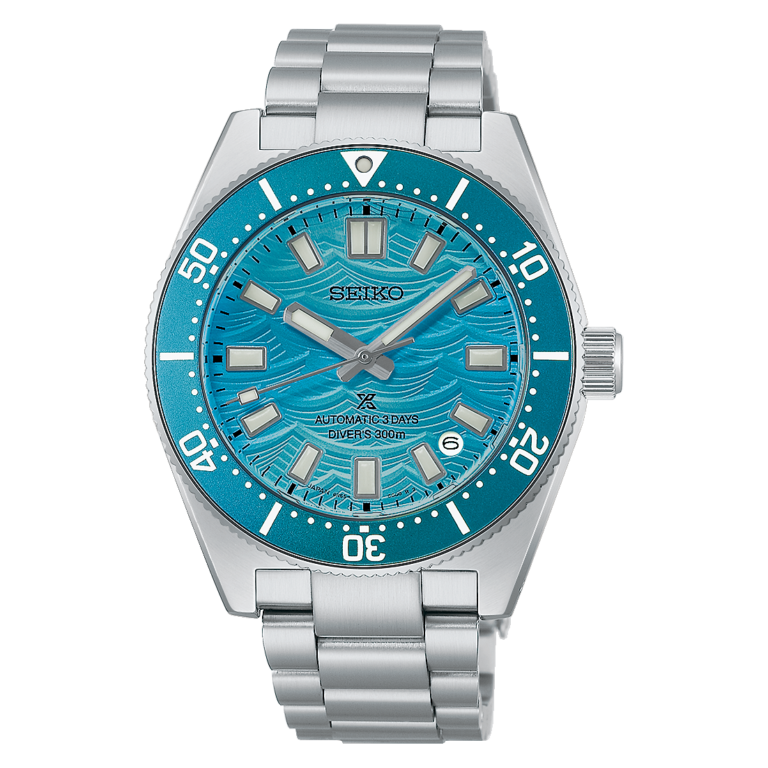
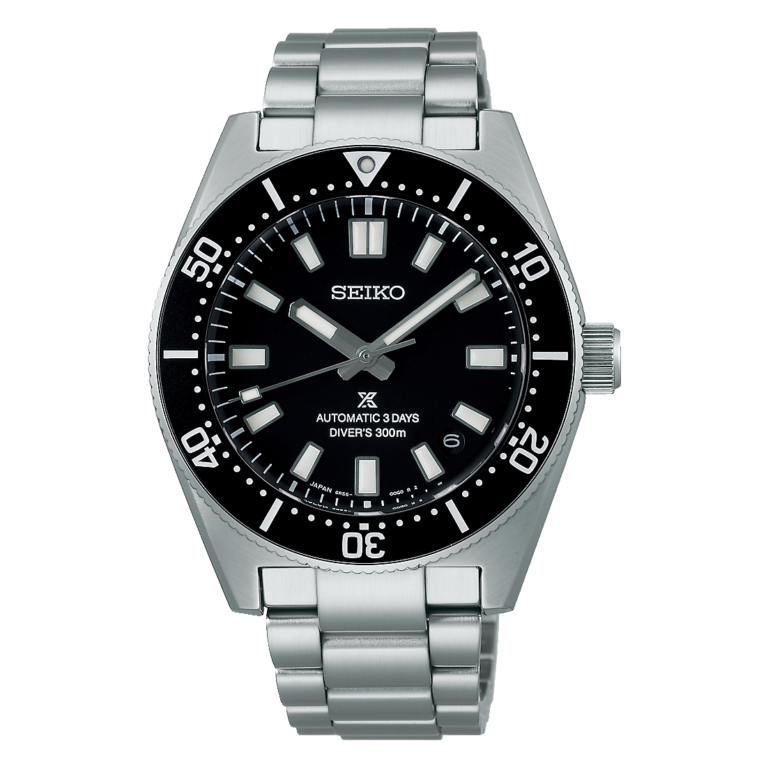
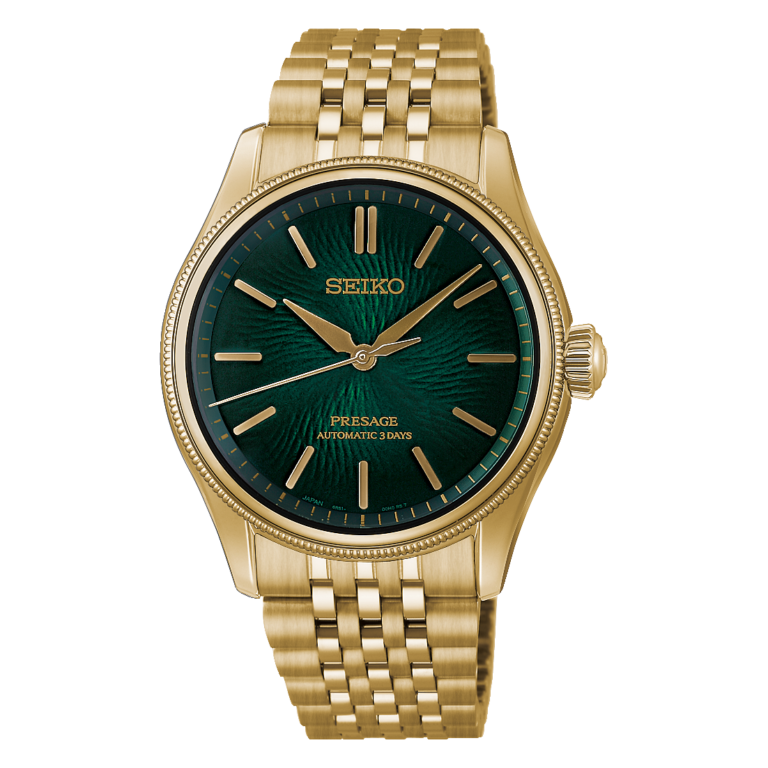
In the world of timepieces, few brands carry the weight of tradition and forward thinking quite like Seiko. What started as a modest shop in the bustling streets of Tokyo has grown into a global powerhouse, blending Japanese craftsmanship with groundbreaking technology.
This article dives deep into the story of Seiko, tracing its roots from the late 19th century to the cutting edge designs of today. Whether you are a collector, a history buff, or simply curious about the tick behind one of the most reliable names in watches, you will find insights here that celebrate the brands enduring legacy.
The Humble Beginnings of Seiko in 1881
Everything began with a young visionary named Kintaro Hattori. At just 21 years old, in 1881, he opened a small watch and jewelry store in Tokyos Ginza district. The shop, simply called K. Hattori, focused on selling and repairing imported Western clocks and watches.
Back then, Japan was rapidly modernizing after centuries of isolation, and timekeeping devices from Europe symbolized progress. Hattori, who had apprenticed as a clockmaker since his early teens, saw an opportunity to bring precision to his homeland.
Hattori did not stop at retail. He quickly built relationships with European suppliers, securing exclusive access to advanced machinery. By 1891, his influence grew as he became director of the Tokyo Clockmaker and Watchmaker Association and a member of the Tokyo Chamber of Commerce.
This network laid the groundwork for something bigger. In 1892, he founded the Seikosha factory, a name that evoked exquisite workmanship and success in Japanese. The factory shifted focus from imports to domestic production, starting with wall clocks and table pieces.
By 1895, Seikosha unveiled its first in house pocket watch, the Timekeeper. This was a bold move, as most Japanese consumers still relied on foreign brands. Hattori invested in a prime Ginza location and even built a towering clock as a landmark, signaling Seikos commitment to reliability.
These early years were marked by trial and error. Hattori experimented with designs, learning from Western techniques while infusing local ingenuity. His drive turned a tiny shop into a budding manufacturer, setting the stage for Seikos rise.
The early 1900s brought challenges, including the 1923 Great Kanto Earthquake, which devastated Tokyo. Yet, resilience defined Hattori. In the aftermath, Seiko pushed forward, launching its first branded wristwatch in 1924.
Before that, in 1913, the company had already created Japans first wristwatch, the Laurel, a slim pocket watch adapted for the wrist. These innovations came at a time when wristwatches were novelties, mostly worn by pilots and soldiers. Seikos early models emphasized durability and accuracy, qualities that would become hallmarks.
Key Milestones in the Early 20th Century Expansion
As Japan industrialized, Seiko expanded rapidly. By 1929, its pocket watches became the official timepieces for Japanese Government Railways engineers, a testament to their precision. Production ramped up, with Seiko churning out thousands of units annually.
The 1930s saw further growth, but World War II shifted priorities. Material shortages forced Seiko to pivot toward military needs, producing rugged watches for soldiers, aircraft instruments, and naval equipment. By 1938, output reached 1.2 million pieces a year, showcasing the factories efficiency.
Post war recovery was swift. In 1951, Seiko aired its first radio ad, followed by a pioneering TV spot in 1953, though the initial broadcast lasted just three seconds due to technical glitches. These marketing efforts helped rebuild the brand. Innovation accelerated in the 1950s.
In 1956, Seiko introduced Japans first automatic wristwatch, the Automatic, priced at 13,500 yen, making self winding luxury accessible. The Marvel followed, boosting accuracy through streamlined production.
A breakthrough came in 1958 with the Dia Shock system, an anti shock mechanism that protected movements from impacts. This feature became a staple in Seiko designs.
The 1959 Gyro Marvel added the Magic Lever for smoother automatic winding. These advancements positioned Seiko as a leader in mechanical engineering. By the late 1950s, the company was ready for global competition, setting its sights on Swiss rivals.
The Birth of Grand Seiko and Olympic Glory in the 1960s
The 1960s marked Seikos golden era of ambition. In 1960, the Grand Seiko debuted, embodying founder Hattoris dream of an ideal watch. Crafted with hand finished components, it aimed for chronometer level accuracy, rivaling the best from Switzerland.
The models featured Zaratsu polishing, a technique that creates mirror like surfaces, still used today. Grand Seiko was not just a product; it was a statement of Japanese precision.
Preparing for the 1964 Tokyo Olympics, Seiko invested heavily in timing technology. In 1963, it launched the Seiko Crystal Chronometer, a portable quartz based device that revolutionized sports timing.
Seikos mechanical stopwatches were selected as official Olympic timers, a huge honor. That year also saw Japans first chronograph wristwatch and world time models, allowing travelers to track multiple zones effortlessly.
Divers entered the picture in 1965 with Seikos inaugural divers watch, built for professionals. By 1967, it upgraded to a 300 meter water resistant version, featuring a unidirectional bezel and screw down crown.
Accuracy shone at international competitions. In 1967, Seiko took second and third at the Neuchatel Observatory trials. Then, in 1968, it claimed first at the Geneva Observatory with a staggering score, outpacing all records.
These triumphs built momentum. Seiko was no longer a regional player; it was a force on the world stage. The decade closed with more firsts, including the 5 Sports Speed Timer, the worlds first automatic chronograph, and ultra thin movements like the U.T.D. at just 1.98 millimeters thick.
The Quartz Revolution and the 1969 Astron Breakthrough
No chapter in Seikos story rivals the quartz revolution. In 1969, the Astron hit the market, the worlds first commercial quartz wristwatch. Priced like a mid sized car, it used a battery powered crystal oscillator for accuracy within 10 seconds per year.
Led by engineer Tsuneya Nakamura, the project took four years and involved 100 researchers. The Astron triggered the Quartz Crisis, shaking Swisss mechanical dominance and democratizing high precision timekeeping.
That same year brought the Grand Seiko V.F.A., accurate to two seconds daily, and the ultra thin quartz models. Seikos quartz leap was not accidental; it stemmed from Olympic timing research. Suddenly, affordable accuracy was possible, reshaping the industry. Competitors scrambled, but Seiko led the charge.
Innovations of the 1970s and 1980s Digital Era
The 1970s exploded with digital wonders. In 1973, Seiko launched the first LCD wristwatch, followed by a digital stopwatch model in 1975. By 1978, a 600 meter quartz divers watch pushed boundaries. The 1980s added whimsy, a TV wristwatch in 1982, a record and play model in 1983, and a wristwatch computer in 1984. In 1986, a 1000 meter ceramic cased divers watch set durability records.
Seiko diversified lines too. Credor arrived in 1974 as a luxury collection with precious metals and intricate dials. Alba, in 1979, targeted young buyers with affordable, fun designs. In 1985, a joint factory with Orient boosted efficiency. Baselworld exhibitions started in 1986, exposing Seiko to global audiences.
A game changer was the 1988 Auto Quartz, renamed Kinetic in 1991. This hybrid used wrist motion to charge a capacitor, merging automatic winding with quartz reliability, no battery swaps needed.
Modern Evolutions Spring Drive and Beyond
The 1990s and 2000s refined Seikos hybrid soul. In 1998, Grand Seiko returned with a new mechanical caliber after two decades. The 1999 Spring Drive fused mechanical gears with quartz regulation, delivering a gliding seconds hand and five seconds daily accuracy. Debuting in Credor, it later graced Grand Seiko.
Millennium milestones included the 2004 IEEE recognition for Astron as a tech landmark. The Shizukuishi Watch Studio opened in 2004 for artisanal pieces. In 2005, the first solar analog radio controlled watch synced via signals from Japan, Germany, and the US. A 2006 E ink watch won Genevas Grand Prix.
The 2010s brought connectivity. In 2010, a solar radio digital with active matrix EPD. The 2012 Astron GPS solar watch auto adjusted worldwide, a travelers dream. Seiko continues innovating, with lines like Prospex for adventures and Presage for elegance.
Iconic Seiko Watch Types and Their Legacies
- Seikos portfolio spans categories, each telling a story
- Mechanical watches form the core, like the Grand Seiko 9S series, hand wound with silicon hairsprings for stability. These honor Hattoris vision, often under 10,000 yen for entry levels.
- Automatic models, self winding via rotors, shine in Seiko 5, launched in 1963. Affordable and robust, they feature day date windows and exhibition backs, ideal for daily wear.
- Quartz dominates for precision, from slim dress pieces to solar powered eco drivers that harness light indefinitely.
- Divers, under Prospex, trace to 1965. The 62MAS was the first, inspiring modern 200 meter pros like the SLA series, with lumed dials and ISO certifications.
- Chronographs track elapsed time, evolving from 1964 analogs to digital hybrids.
- Dress watches in Presage blend Japanese aesthetics, like cocktails series with urushi lacquer dials evoking tradition.
- Field watches for outdoors, and vintage reissues keep heritage alive.
- Seikos diversity ensures something for everyone, from budget to bespoke.
Seikos Global Impact and Future Horizons
Today, Seiko influences millions. Its watches time marathons, explore depths, and grace wrists worldwide. The brands ethos of refined manufacturing drives sustainability, like recycled materials in new models.Looking ahead, Seiko eyes smart integrations without losing soul. Collaborations with artists and athletes expand reach.
As it nears 150 years, Seiko remains a bridge between past and future, proving time is not just measured, but mastered.This journey from a Ginza shop to innovation icon inspires. Seiko teaches that true excellence comes from bold starts and relentless pursuit.