Citizen watches have long stood as a symbol of precision engineering and accessible luxury. For over a century, this Japanese brand has pushed the boundaries of timekeeping, blending innovative technology with elegant design.
What began as a modest effort to create affordable timepieces for everyday people has evolved into a global powerhouse in the watch industry. Today, Citizen offers a diverse lineup that caters to adventurers, professionals, and style enthusiasts alike.
This article delves deep into the brand’s rich history, exploring its humble beginnings, pivotal achievements, groundbreaking firsts, and the wide array of collections that define its legacy. Whether you’re a collector or simply curious about horology, the story of Citizen reveals a commitment to quality that resonates across generations.
The Origins of Citizen Watch Company
The roots of Citizen trace back to a pivotal moment in early 20th-century Japan, when the nation was awakening to the possibilities of modern industrialization. In 1918, amid the bustling era of the Taisho period, a group of visionary engineers established the Shokosha Watch Research Institute in Tokyo.
This institute was born out of a national ambition to rival the dominance of Swiss and Western watchmakers, who at the time supplied Japan with most of its timepieces. The founders, including key figures like Kunitaro Hattori and others inspired by the precision of imported clocks, sought to foster domestic expertise in horology.
Their goal was straightforward yet revolutionary: to produce high-quality watches that could compete on the world stage without relying on foreign imports.
Shokosha, meaning “creating time” in Japanese, started small, focusing on research and development rather than immediate mass production. The early years were marked by experimentation with movements and materials, drawing from Japan’s growing expertise in mechanics and electronics.
By the 1920s, as Japan modernized rapidly, the institute had assembled a team of skilled artisans and scientists. This period of incubation laid the groundwork for what would become Citizen, emphasizing not just technical prowess but also a philosophy of inclusivity. The name “Citizen” itself emerged from this ethos, symbolizing a watch for the common person, free from the elitism of luxury brands.
The brand’s official launch came in 1924, when Shokosha unveiled its inaugural product. This move was more than a commercial debut; it represented Japan’s entry into the global watch market.
The institute rebranded under the Citizen moniker in 1930 after a buyout by entrepreneur Yosaburo Nakajima, who saw the potential in scaling up production. Nakajima’s leadership shifted focus toward affordability and reliability, aligning with the post-war economic recovery.
Factories expanded, and by the 1930s, Citizen was exporting to Asia and beyond, establishing itself as a beacon of Japanese ingenuity. This origin story underscores Citizen’s core value: timepieces should enhance daily life, not intimidate with their price or complexity.
Throughout the 1940s and 1950s, challenges like World War II disrupted operations, but Citizen emerged resilient. The company rebuilt with a renewed emphasis on education, training apprentices in watchmaking traditions while integrating new technologies.
This blend of heritage and forward-thinking defined the brand’s early identity, setting it apart from competitors who clung to outdated methods. By the mid-20th century, Citizen had transitioned from a research outfit to a full-fledged manufacturer, ready to innovate on a larger scale.
Key Milestones in Citizen’s Journey
Citizen’s history is a tapestry of firsts and breakthroughs, each milestone reflecting the brand’s relentless pursuit of excellence. One of the earliest triumphs came in 1952, when Citizen introduced Japan’s first watch with a calendar function.
This innovation addressed a practical need for users who wanted quick access to dates without manual adjustments, marking a step toward user-friendly design. The watch’s success boosted exports and solidified Citizen’s reputation for thoughtful engineering.
The 1960s brought a wave of electronic advancements. In 1966, the X-8 Cosmotron debuted as Japan’s first transistorized electronic wristwatch. This model used cutting-edge circuitry to achieve unprecedented accuracy, rivaling traditional mechanical movements.
It was a bold leap, showcasing Citizen’s willingness to embrace electronics when many peers hesitated. Just four years later, in 1970, Citizen shattered barriers again with the world’s first quartz watch, the Citizen Quartz.
Quartz technology revolutionized timekeeping by vibrating a crystal at precise frequencies, offering accuracy within seconds per month. This invention not only won acclaim but also sparked the “quartz crisis” that reshaped the industry, forcing Swiss makers to adapt or fade.
Environmental consciousness entered the picture in 1976 with the introduction of the world’s first solar-powered analog watch. Powered by light rather than batteries, it hinted at Citizen’s future focus on sustainability.
The 1980s amplified this momentum: in 1982, the 1300m Professional Diver’s watch set a record for water resistance, enduring extreme pressures that tested its titanium case. This era also saw the launch of the first all-titanium timepiece in 1987, lightweight yet durable, ideal for divers and pilots.
The 1990s marked a pinnacle with Eco-Drive technology in 1995. This light-harvesting system eliminated battery replacements, converting any light source into energy for perpetual motion.
It powered the premium “The Citizen” line, which achieved chronometer-level accuracy of plus or minus five seconds per year. Entering the 2000s, Citizen pioneered radio-controlled watches in 1993, syncing with atomic clocks for flawless timekeeping, and satellite wave models in 2012 for global precision.
Recent decades have seen Citizen honor its centennial in 2024 with limited-edition pieces, like a commemorative pocket watch echoing the 1924 original. Collaborations with athletes and explorers, such as the Promaster series for extreme sports, continue to drive innovation.
Today, with over 100 years under its belt, Citizen produces millions of units annually, blending tradition with smart features like Bluetooth connectivity. These milestones are not mere dates; they represent a narrative of adaptation, from wartime survival to digital integration, always prioritizing the wearer’s needs.
The First Citizen Watch and Early Innovations
At the heart of Citizen’s legacy lies its debut product, a pocket watch released in December 1924. Dubbed simply “The Citizen,” this timepiece was a marvel of its era, handcrafted with a manual wind movement and a clean, minimalist dial.
Measuring about 50mm in diameter, it featured a white enamel face with Roman numerals and slim blued-steel hands, encased in a polished nickel silver body. The watch’s accuracy stemmed from a reliable 15-jewel calibre, designed in-house after years of prototyping at Shokosha. Priced affordably at around 2.35 yen, it lived up to its name as a “citizen’s watch,” making quality timekeeping accessible to students, workers, and families across Japan.
This first watch was more than a gadget; it was a cultural statement. In an age when watches were luxuries for the elite, Citizen democratized the technology, aligning with Japan’s modernization drive. Production began modestly in a small Tokyo workshop, but demand surged, leading to rapid scaling. By 1925, over 1,000 units had shipped, and the model evolved with subtle refinements, like improved lume for low-light readability.
Early innovations built directly on this foundation. In 1931, Citizen ventured into wristwatches with the Caliber F, a manually wound model that prioritized slim profiles for comfort. These early pieces drew from Swiss influences but incorporated Japanese precision, such as anti-magnetic shielding to combat urban interference.
The 1940s brought wartime adaptations, like rugged military-issued watches with luminous dials for pilots. Post-war, the 1950s focus on calendars integrated date windows seamlessly, a feature that became standard.
These formative years honed Citizen’s expertise in movements, from mechanical to the electronic hybrids of the 1960s. The first watch’s enduring design philosophy—simplicity, reliability, and inclusivity—permeates every subsequent model, proving that great histories start with one bold step.
The Evolution of Citizen Watch Collections and Types
Citizen’s portfolio has grown exponentially, encompassing a spectrum of styles and functions that reflect technological evolution and user lifestyles. Early collections were mechanical-focused, like the 1930s dress watches with art deco cases, elegant for formal wear. By the 1950s, sports-oriented models emerged, featuring robust stainless steel and shock resistance.
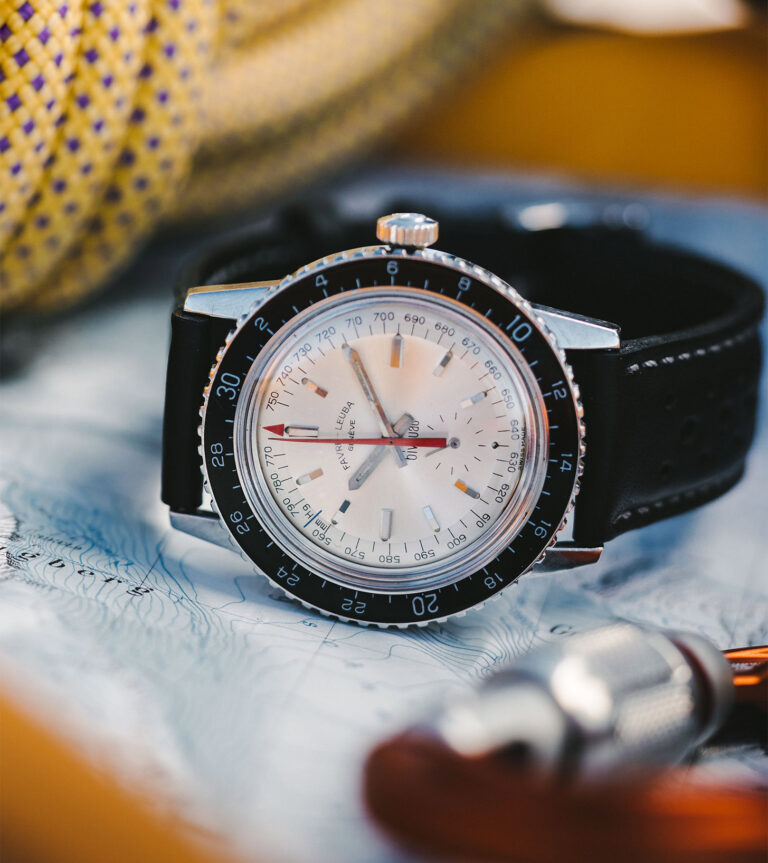
The quartz revolution of the 1970s diversified offerings into digital-analog hybrids, such as the 1978 Digi-Ana, combining LCD displays with traditional hands for versatility. Dive watches gained prominence in the 1980s with the Promaster line, including the iconic Fugu, a 300m beast with unidirectional bezels and helium escape valves for saturation diving. Pilots’ chronographs followed, with slide-rule bezels for calculations, embodying the brand’s adventure spirit.
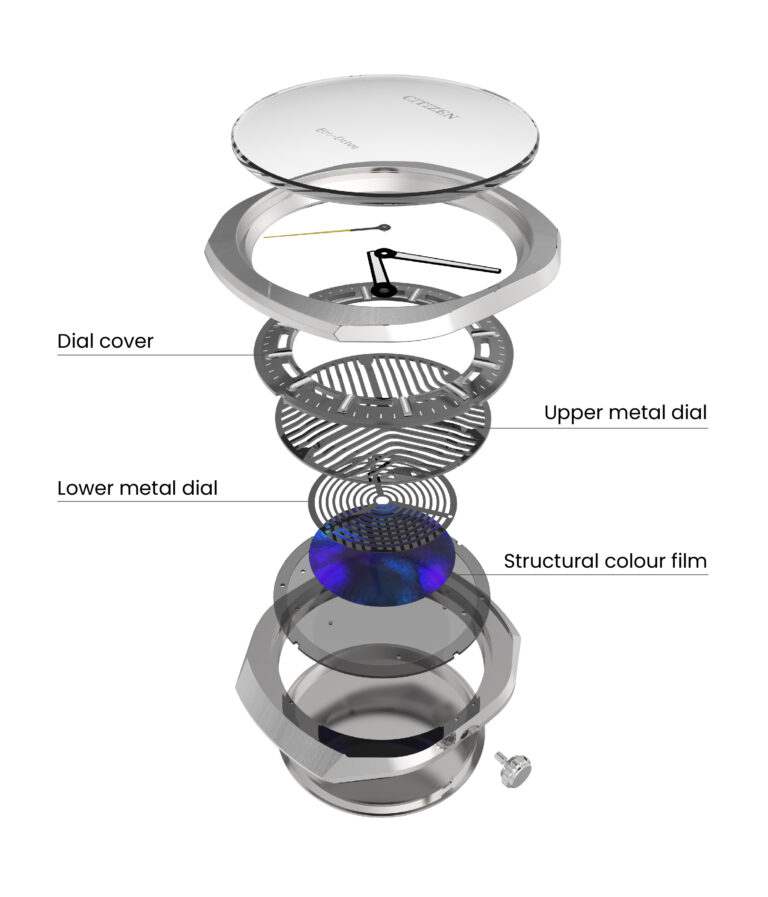
Eco-Drive technology reshaped collections in the 1990s, powering everything from slim dress watches to rugged field pieces. The Promaster Eco-Drive series, launched in 1997, includes marine, land, and sky variants: divers withstand 200m depths, land models feature compasses, and sky chronographs sync with GPS satellites. Titanium integration added lightweight durability, seen in the 1982 Professional Diver and later Attesa line, which boasts radio-controlled accuracy in Super Titanium cases resistant to scratches.
Contemporary collections like Series 8 pay homage to heritage with modern twists—automatic movements in slim cases, evoking 1960s aesthetics. The Citizen line offers everyday quartz pieces, from minimalist three-handers to perpetual calendars. High-end “The Citizen” models push boundaries with ±1 second per year accuracy via thermo-compensated quartz, often in ceramic or sapphire cases.
Women’s collections blend femininity with function, like the Eco-Drive Chandler with diamond accents or the bold Stiletto with mesh bracelets. Limited editions, such as military commemoratives, add exclusivity. Across types—mechanical for purists, quartz for precision, solar for sustainability—Citizen ensures variety, from budget-friendly under $200 to premium over $1,000. This evolution mirrors societal shifts, from industrial efficiency to eco-aware luxury, keeping the brand relevant and revered.
In reflecting on Citizen’s journey, it’s clear that this brand transcends timepieces; it’s a chronicle of human ambition. From a single pocket watch in 1924 to satellite-synced marvels today, Citizen continues to innovate, inviting everyone to wear a piece of history on their wrist. As the watch world evolves, one thing remains constant: Citizen’s dedication to better starts with time.